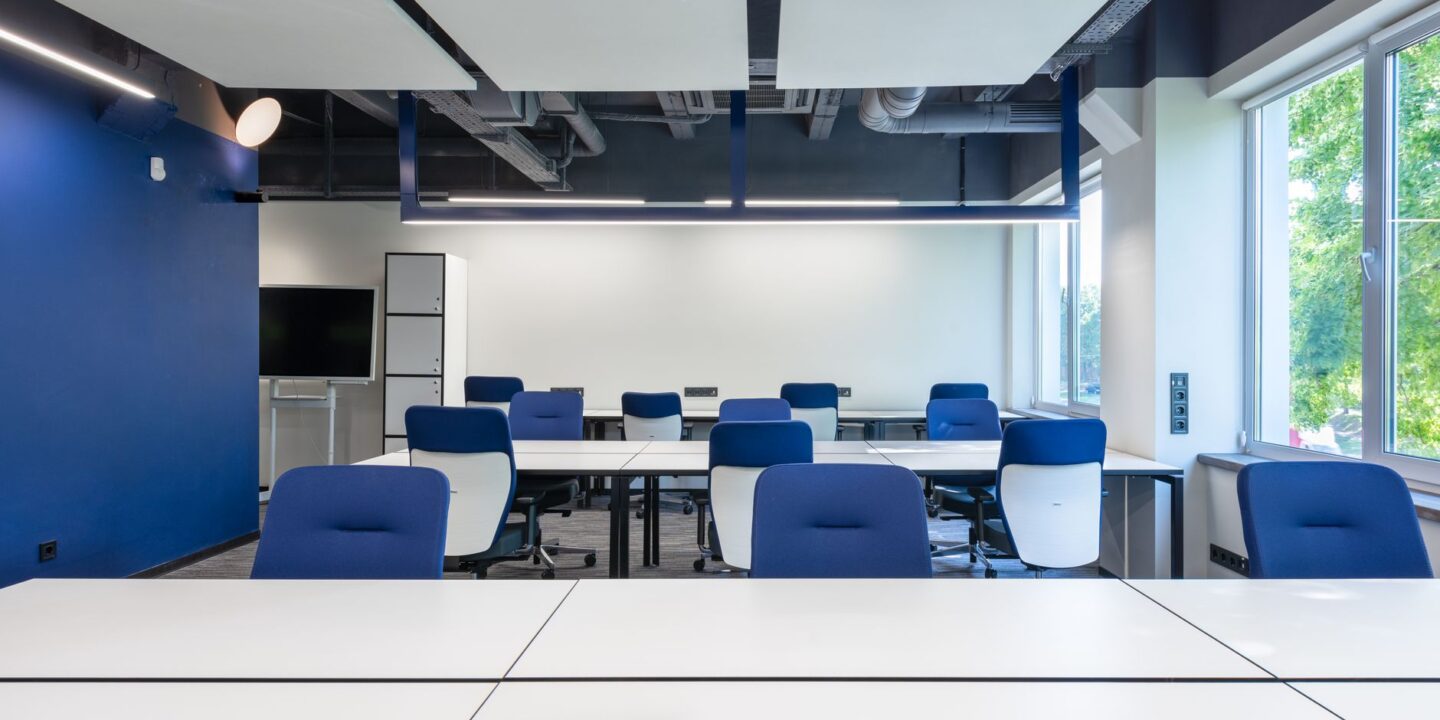

Workspace design profoundly influences productivity, focus capacity, and daily satisfaction in ways that directly impact both personal wellbeing and professional outcomes. A thoughtfully designed workspace becomes an invisible enabler—you’re not consciously aware of good design working, but poor design constantly frustrates through disruptions, ergonomic discomfort, and cognitive overload. This comprehensive guide explores how strategic workspace design transforms functional office areas into environments genuinely supporting peak performance and professional satisfaction.
The Neuroscience of Workspace Effectiveness
Cognitive science reveals that environmental factors dramatically influence focus, creativity, and decision-making capacity. Mond Office designs workspaces incorporating research-backed principles supporting mental performance. Appropriate ambient light exposure regulates circadian rhythms enabling alertness during work hours. Color psychology influences mood and motivation—warm tones increase energy while cool tones support concentration.
Noise management proves crucial for sustained focus. Open offices prioritizing social interaction often sacrifice the acoustic environments supporting deep work. Strategic noise reduction through distance, barriers, and sound-absorbing materials protects focus capacity while enabling necessary collaboration. Temperature stability prevents cognitive disruption from physical discomfort. These environmental factors work together creating conditions where mental performance naturally flows rather than requiring constant willpower to overcome environmental resistance.
Ergonomics and Physical Comfort Foundation
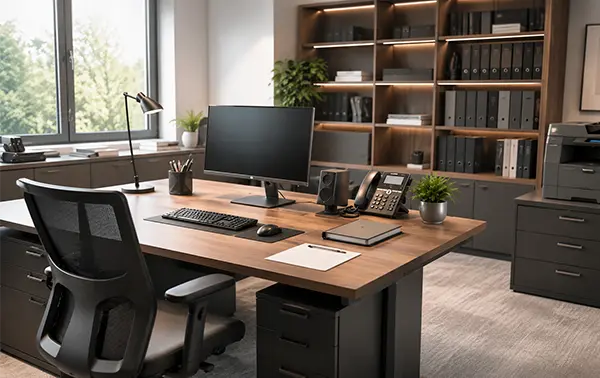
Eight hours daily in an uncomfortable workspace generates cumulative strain deteriorating health and productivity simultaneously. Proper ergonomic setup prevents repetitive strain injuries while maintaining alertness through proper circulation and posture support. Desk height positioning enables neutral wrist and shoulder positioning. Monitor placement at eye level prevents neck strain. Mond Office incorporates ergonomic infrastructure as foundational rather than optional, recognizing that physical comfort directly enables mental focus.
Adjustable furniture supporting varied working positions prevents postural fatigue from extended static positioning. Standing desk options enable movement integration without leaving workspace. Supportive seating with lumbar support enables comfortable desk time without back pain accumulation. Regular movement breaks become easier when workspace design subtly encourages position variation rather than static, uncomfortable positioning.
Focused Work Zones and Collaboration Spaces
Productivity requires both concentrated individual focus and collaborative interaction—yet these often conflict in open office environments. Strategic workspace organization creates distinct zones serving different working modes. Quiet focus areas with reduced visual and acoustic stimulation support deep work requiring concentration. Collaboration zones with comfortable seating and writing surfaces facilitate informal meetings and creative discussion.
Transitional spaces between focus and collaboration zones enable mind-shifting without jarring environmental changes. Visual barriers provide psychological privacy supporting focus without creating isolation. Mond Office designs balance collaboration access with focus protection, enabling both social interaction and concentrated work within single workspace layouts.
Storage and Organization Systems

Visual clutter generates cognitive overload even when consciously unnoticed, reducing focus capacity and increasing mental fatigue throughout workdays. Comprehensive storage systems preventing clutter accumulation on work surfaces maintain visual calm supporting concentration. Organized material access prevents frustrating searching interrupting workflow. Thoughtful categorization enables quick location finding without disrupting focus state.
Personalization within organized systems enables individual expression while maintaining overall aesthetic coherence. Small plant additions, meaningful artwork, or personal objects create spaces feeling inhabited by individuals rather than generic workstations. This balance between organization and personal expression yields workspaces people genuinely enjoy occupying rather than enduring daily.
Lighting Quality and Visual Comfort
Screen-based work demands superior lighting design preventing eyestrain, glare, and visual fatigue. Direct window positioning near work surfaces provides color-accurate illumination supporting accurate visual work while reducing eye strain. Task lighting enabling adjustment for specific work requirements prevents harsh shadows or excessive brightness. Mond Office incorporates layered lighting enabling customization for individual preferences and task requirements.
Blue light reduction during late afternoon and evening hours prevents sleep disruption from circadian rhythm suppression. Consistent, flicker-free illumination prevents subtle visual irritation accumulating into afternoon fatigue. Color-accurate lighting supports mood and alertness—warm tones during late work hours encourage wind-down while cool illumination during morning hours promote alertness and focus.
Biophilic Elements and Mental Restoration
Humans possess innate psychological responses to natural elements, making plant integration powerful for workspace effectiveness. Indoor plants reduce air pollutants while providing visual softness breaking up screen-heavy environments. Natural material integration—wood surfaces, natural stone accents—creates psychological connection to nature within built environments. Window access to outdoor views provides mental restoration during breaks, recovering cognitive capacity for resumed focus.
Even small biophilic elements—a single plant, natural wood furniture, nature photography—generate measurable stress reduction and focus improvement. These elements prove particularly valuable in workspace environments otherwise dominated by artificial materials and screen-based interaction, providing psychological grounding supporting sustained mental performance.
Acoustic Design and Sound Management
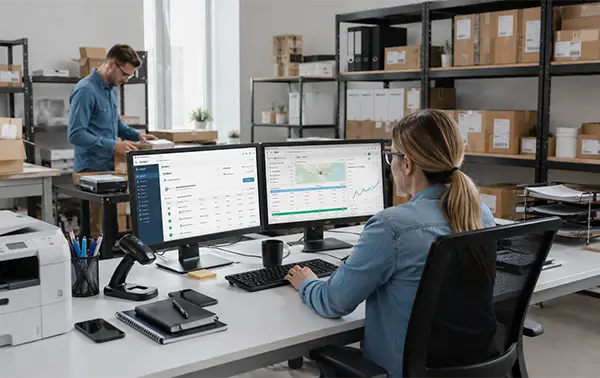
Open office designs often generate acoustic chaos preventing sustained focus. Strategic acoustic design through sound-absorbing panels, rugs, and strategic furniture positioning reduces reverberation and ambient noise. White noise masking systems prevent startling distraction from random conversations. Headphone provision enables acoustic isolation when focus requirements exceed ambient noise levels.
Communicating acoustic respect through workspace norms prevents disruptive volume and unnecessary distraction. Mond Office designs balance acoustic separation enabling focus with acoustic openness supporting collaboration and community. Thoughtful zoning creates quiet areas for concentration and talk-friendly areas for meetings and casual interaction.
Flexibility and Adaptation Support
Workplace flexibility increasingly shapes workspace requirements. Hot-desking arrangements, remote work integration, and varied team compositions demand adaptable workspaces supporting diverse working styles and schedules. Modular furniture enabling reconfiguration prevents permanent layouts becoming constraints as needs evolve. Mobile storage supporting flexible work arrangements enables workers adapting workspace setup to task requirements.
Creating workspace environments supporting peak performance requires intentional design balancing focus protection with collaborative access, ergonomic support with flexibility, and organized efficiency with personal expression. These elements work together creating workspaces where productivity flows naturally from environmental support rather than requiring constant willpower to overcome friction and discomfort.

Luca Moretti is a global lifestyle writer with a passion for storytelling through travel, fashion, and urban exploration. Inspired by vibrant cities and timeless destinations, he creates content that reflects sophistication and curiosity. Luca’s work focuses on helping readers discover unique places, elevated experiences, and the art of living stylishly on the move.