Wine appreciation deepens through intentional exploration transcending casual consumption moving toward genuine understanding of wines as expressions of place, tradition, and craftsmanship. Developing appreciation enhances everyday enjoyment while opening pathways toward passionate engagement with wine culture. This comprehensive guide explores how to deepen wine knowledge, develop sophisticated palates, and cultivate meaningful relationships with wines elevating personal satisfaction and professional knowledge simultaneously.
Understanding Wine Production and Winemaking Methods
Wine quality and character emerge significantly from winemaking choices translating fruit into finished wines. Cantina Borga encompasses diverse production approaches reflecting regional traditions and individual winemaker philosophies. Fermentation temperatures influence flavor extraction and preservation. Oak aging develops complexity and texture through wood components integration. Extended skin contact creates deeper colors and elevated tannins in red wines. Natural fermentation embraces wild yeasts while cultured yeast provides controlled, predictable results.
Understanding these choices enables informed appreciation of resulting wines. Some winemakers embrace innovation while others maintain traditional methods developed through centuries. Biodynamic and organic approaches reflect environmental philosophies influencing production decisions. Limited intervention wines respect fruit character while manipulated wines showcase winemaker skill and intention. These choices don’t define quality—rather they reflect philosophies affecting character and expression.
Terroir and Place Expression
Terroir encompasses climate, soil composition, elevation, and tradition creating distinctive regional characters impossible replicating elsewhere. Burgundy’s cool climate, limestone soils, and tradition-bound methods create elegant pinot noirs and chardonnays. Barossa Valley’s hot climate, old vines, and bold winemaking produce powerful shiraz. New Zealand’s cool climate maritime influence generates aromatic, vibrant sauvignon blancs. These place characteristics become inseparable from wine identity beyond ingredient lists and production methods.
Learning terroir characteristics develops appreciation for why specific wines taste distinctively from geographic origins. Climate significantly influences ripeness levels, acidity preservation, and flavor profiles. Soil composition contributes mineral characteristics, nutrient availability, and water retention affecting vine vigor. Tradition influences production methods, grape selection, and winemaking philosophies. Understanding these factors deepens appreciation beyond surface flavor descriptions toward genuine geographic and cultural comprehension.
Vintage Variation and Aging Potential
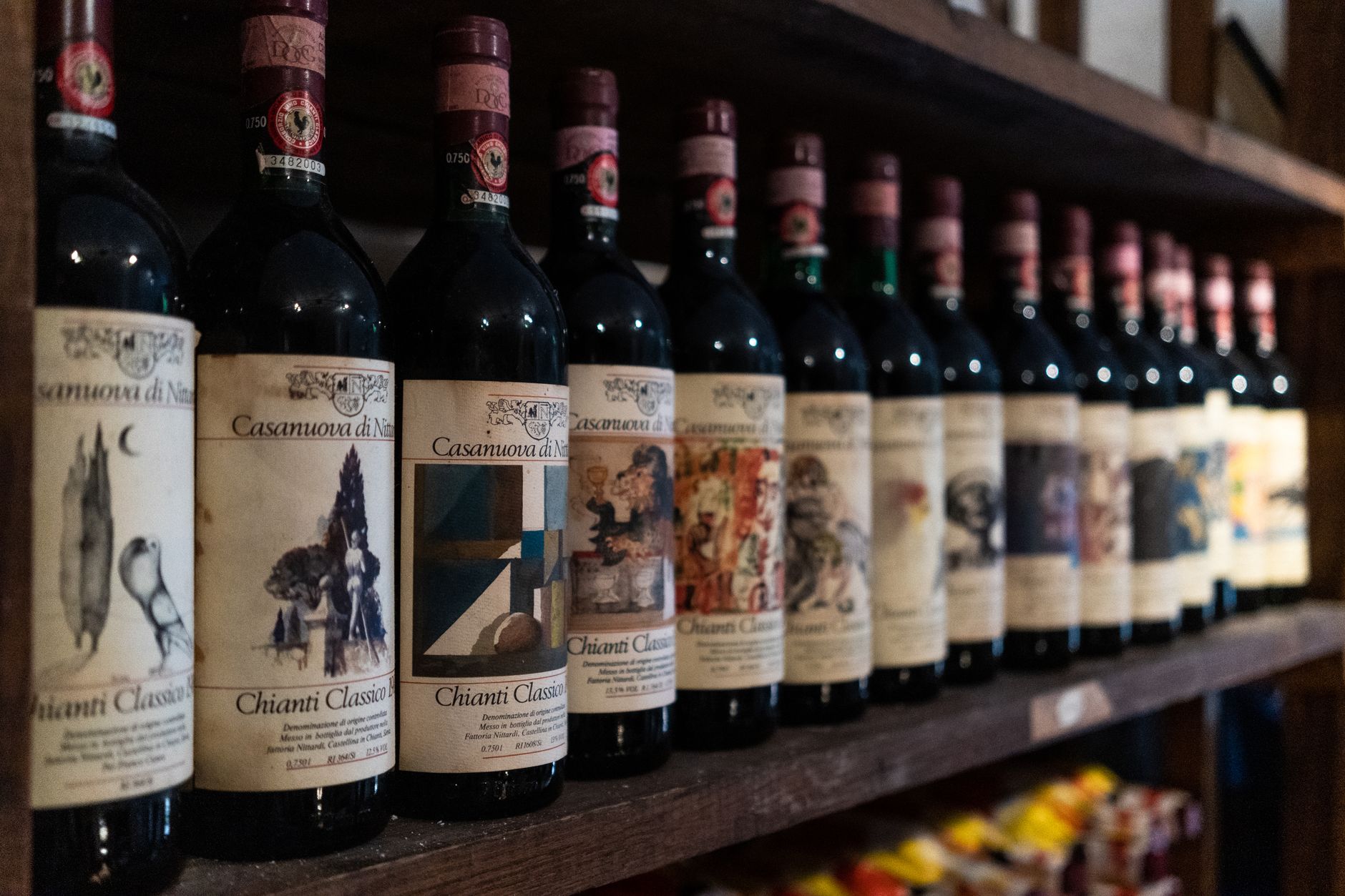
Weather patterns annually create vintage variations where excellent years produce superior wines while challenging years yield less impressive results. Learning vintage quality and character enables intelligent selection anticipating performance potential. Some wines improve gracefully over decades while others fade quickly. Understanding bottle age informs selecting young wines for immediate enjoyment versus age-worthy selections improving through patient cellaring.
Cantina Borga selections encompass diverse vintages enabling exploration across aging windows. Recent vintages offer freshness and primary fruit character while mature wines display developed complexity and softened tannins. Tasting across vintages develops understanding of how wines evolve. Investing in age-worthy bottles rewards patience with deeper, evolved expressions rewarding deliberate cellaring strategies.
Advanced Tasting Techniques and Comparative Analysis
Sophisticated tasting involves comparative exploration examining how similar wines express different characteristics or how diverse wines share unexpected commonalities. Blind tasting removes producer reputation and pricing biases enabling focus on actual characteristics. Vertical tastings examining single producers across multiple vintages reveal how age affects wine development. Horizontal tastings comparing diverse producers from single vintages expose stylistic approaches and terroir expression.
Developing tasting notes articulating observations creates communication enabling sharing discoveries and debating interpretations. Professional tasting protocols—observation, aroma, flavor, finish assessment—provide systematic approaches ensuring consistent evaluation. Describing wines using specific, concrete language moves beyond vague praise toward meaningful communication. Practicing descriptive writing with wines develops both observation skills and vocabulary enabling articulate expression of complex sensations.
Wine and Food Pairing Sophistication
Advanced pairing explores how wine components—acidity, tannin, sweetness, alcohol—interact with food elements creating complementary or contrasting combinations enhancing both. Wines with high acidity cut through rich foods cleansing palates between bites. Tannins bind with proteins creating dry mouth sensations moderated by fatty foods. Sweetness balances spicy dishes. Alcohol warmth complements hearty preparations. Understanding these interactions enables intentional pairings maximizing both elements.
Exploring regional pairings—wines with traditional cuisines from their origin regions—often succeeds through historical coincidence creating natural compatibility. Burgundy wines enhance coq au vin. Rioja pairs beautifully with Spanish jamón. Chianti complements Italian pasta dishes. Cantina Borga selections enable exploring these traditional combinations developing appreciation for how wine and food cultures evolved interdependently.
Wine Education and Formal Learning Pathways
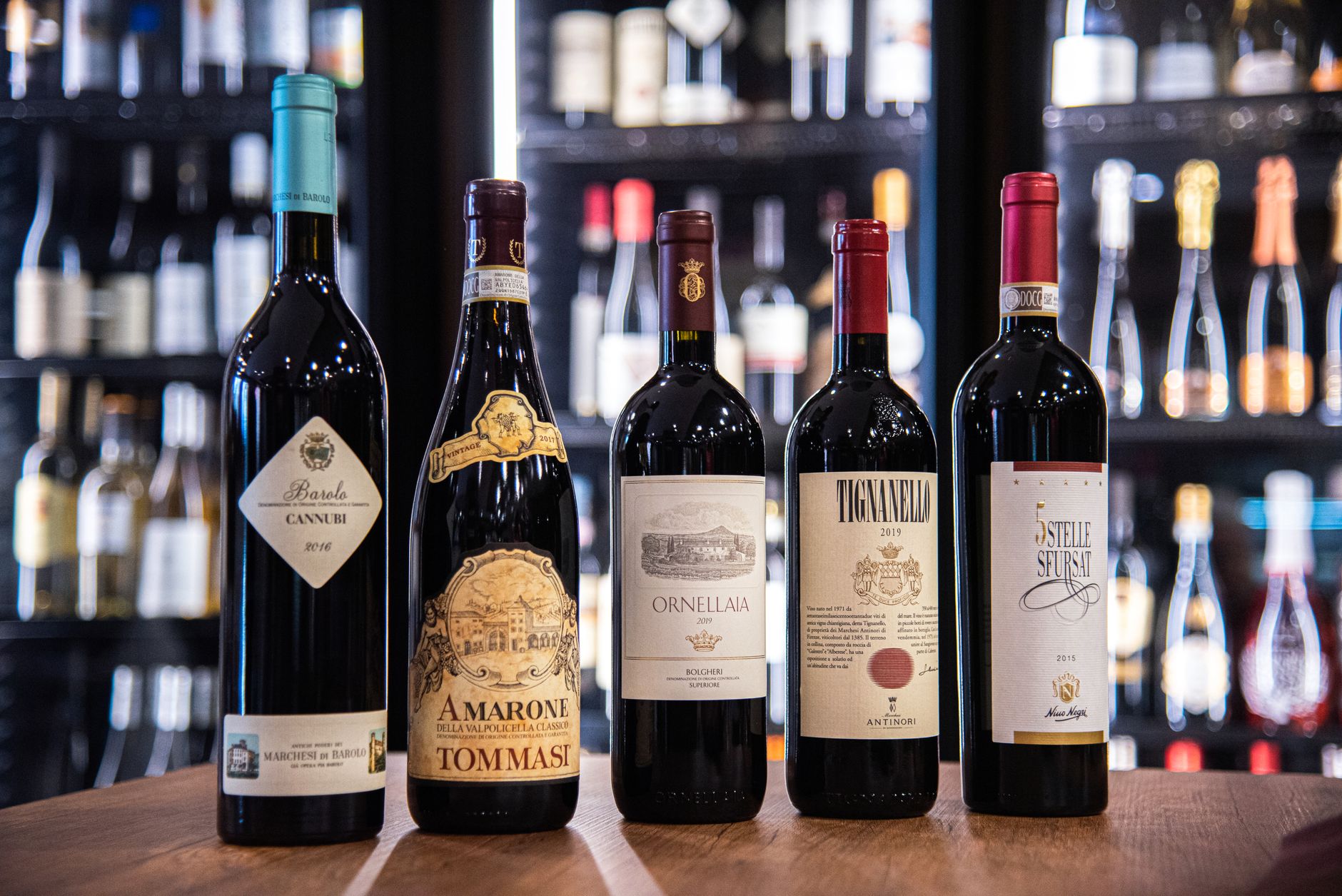
Formal wine education through certification programs, structured courses, and serious study deepens knowledge and develops professional capabilities. WSET (Wine and Spirits Education Trust) and Master of Wine programs provide rigorous curriculum ensuring comprehensive understanding. Sommelier certification emphasizes service, pairing, and professional knowledge. Wine judge certifications develop tasting precision and evaluative consistency. These programs appeal to enthusiasts seeking structured pathways and professional development.
Informal learning through tastings, community engagement, and dedicated study provides equally valuable knowledge without formal commitment. Wine clubs organize themed tastings exploring specific regions or producers. Tastings at retailers enable exposure to diverse selections with expert guidance. Reading serious wine literature develops theoretical understanding complementing practical tasting. Traveling to wine regions experiencing vineyards, wineries, and local cuisine creates immersive learning unavailable through domestic exploration.
Collecting and Investment Considerations
Wine collecting moves beyond personal consumption into portfolio strategy for enthusiasts seeking investment appreciation. Rare, age-worthy wines from prestigious producers appreciate value over time attracting serious collectors. However, successful collecting requires expertise avoiding counterfeit bottles and understanding storage requirements protecting investment. Professional cellaring services maintain optimal conditions for valuable collections. Auction markets enable trading valuable bottles creating liquid markets.
Investment-focused collecting differs fundamentally from pleasure-focused accumulation. Learning to evaluate wine quality, assess value, and recognize appreciating bottles requires significant expertise. Market volatility, authentication challenges, and storage costs complicate financial calculations. Approaching wine investment conservatively, focusing on bottles you would genuinely enjoy drinking, prevents investment-induced regret.
Wine Community and Shared Exploration
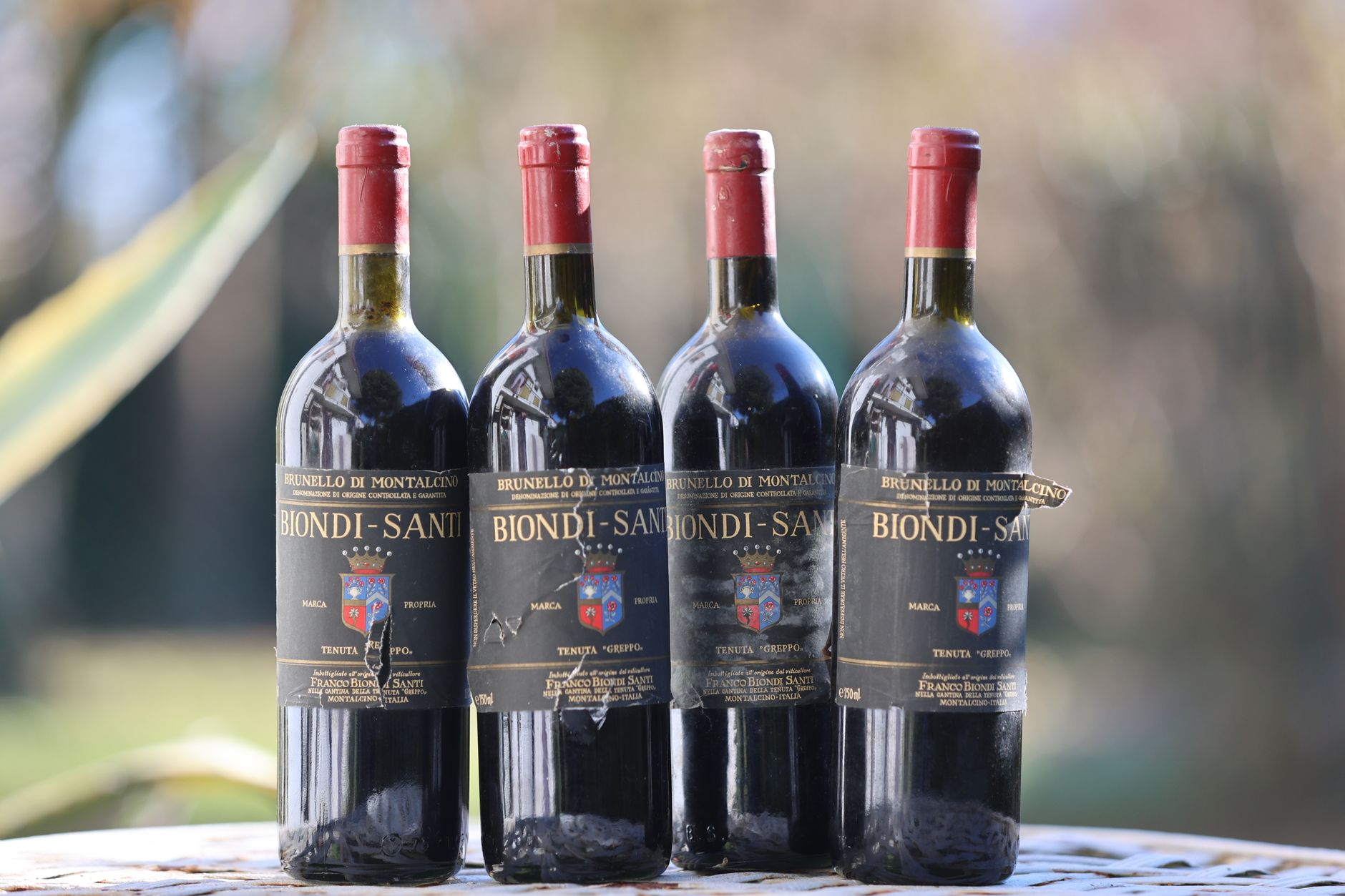
Wine communities amplify enjoyment through shared exploration, knowledge exchange, and collaborative discovery. Wine clubs organize themed tastings, group purchases, and collective learning. Online communities enable global connection with enthusiasts discussing recent discoveries and sharing recommendations. Professional organizations connect trade members supporting collective advancement. Local wine shops facilitate community through events, tastings, and knowledgeable staff guidance.
Sharing wine experiences enhances satisfaction beyond solo consumption. Discussing tasting observations, debating interpretations, and collectively discovering favorites creates memories extending beyond liquid consumption. Introducing others to wines you love generates genuine pleasure watching them develop appreciation. Teaching skills and sharing knowledge connects you to broader communities supporting mutual growth and collective passion.
Sustaining Wine Appreciation and Continuous Growth
Wine appreciation deepens continuously through intentional exploration, open-minded tasting, and genuine curiosity transcending initial enthusiasm toward long-term passion. Approaching unfamiliar wines with genuine interest rather than fixed preferences prevents stagnation. Returning to wines previously dismissed reveals how palates evolve and preferences develop. Challenging yourself with wines outside comfort zones creates growth opportunities. Cantina Borga selections support ongoing exploration enabling lifetime discovery.
Your wine appreciation journey becomes increasingly rewarding with dedicated engagement. Simple curiosity transforms into informed understanding while passionate enjoyment sustains interest across decades. Each bottle contributes to evolving knowledge and appreciation deepening your relationship with wine, place, and the people sharing your explorations.

Aria Laurent is a travel and style enthusiast who captures the essence of glamorous journeys around the world. Her writing blends luxury experiences with authentic cultural moments, offering readers a refined perspective on modern travel. From boutique hotels to hidden gems, Aria shares curated insights for those who seek beauty, elegance, and adventure in every destination.