
European train networks represent infrastructure achievements rivaling any continent-spanning transportation system. More importantly, they embody a philosophy that values deliberate travel over rushed logistics. Unlike air travel’s inherent stress – security lines, baggage restrictions, remote airports – train journeys integrate seamlessly into city centers. Passengers board minutes before departure, avoid luggage limitations, and arrive downtown rather than distant peripheries. This fundamental infrastructure advantage explains why experienced European travelers increasingly choose trains for intercity journeys regardless of cost considerations.
Train travel transcends functional transportation, becoming integral to travel experience itself. Watching landscapes transform from urban centers through countryside to mountain valleys creates connection absent in flights. Conversations between strangers reveal local perspectives and travel recommendations. Dining car meals, comfortable seating, and onboard relaxation contrast sharply with aviation’s compressed indignity. These elements elevate train journeys from necessary logistics to memorable experiences.
Infrastructure Advantages Over Competing Transportation
European train stations occupy city centers, placing travelers directly within destinations. No shuttle buses from remote airports, no 45-minute transfers to downtown hotels – stepping from platforms places travelers immediately into exploration mode. This proximity convenience reflects conscious infrastructure planning prioritizing traveler experience over cost minimization.
Luggage freedom differentiates train travel from aviation’s restrictive baggage allowances. Pack generously without calculating weight penalties. Bring comfortable clothes without baggage space anxiety. Check bags without baggage claim delays. This freedom enables extended journeys without the anxiety plaguing air travelers constantly monitoring luggage allowances.
Comfortable seating accommodates modern travelers’ needs. Standard train seats provide legroom, movement space, and adjustability surpassing economy airline seating. Premium cabin options offer table seating, power outlets, and amenities approaching business-class flights while costing fraction of airline premium cabins. This accessibility enables comfortable travel without premium pricing.
Flexibility defines train travel. Unlike flights requiring early arrival, trains accommodate last-minute boarding until seconds before departure. Miss a train? Catch the next one with most advance tickets remaining valid. This forgiveness enables spontaneous itinerary adjustments impossible with aviation’s rigid logistics.
The European Train Culture Phenomenon
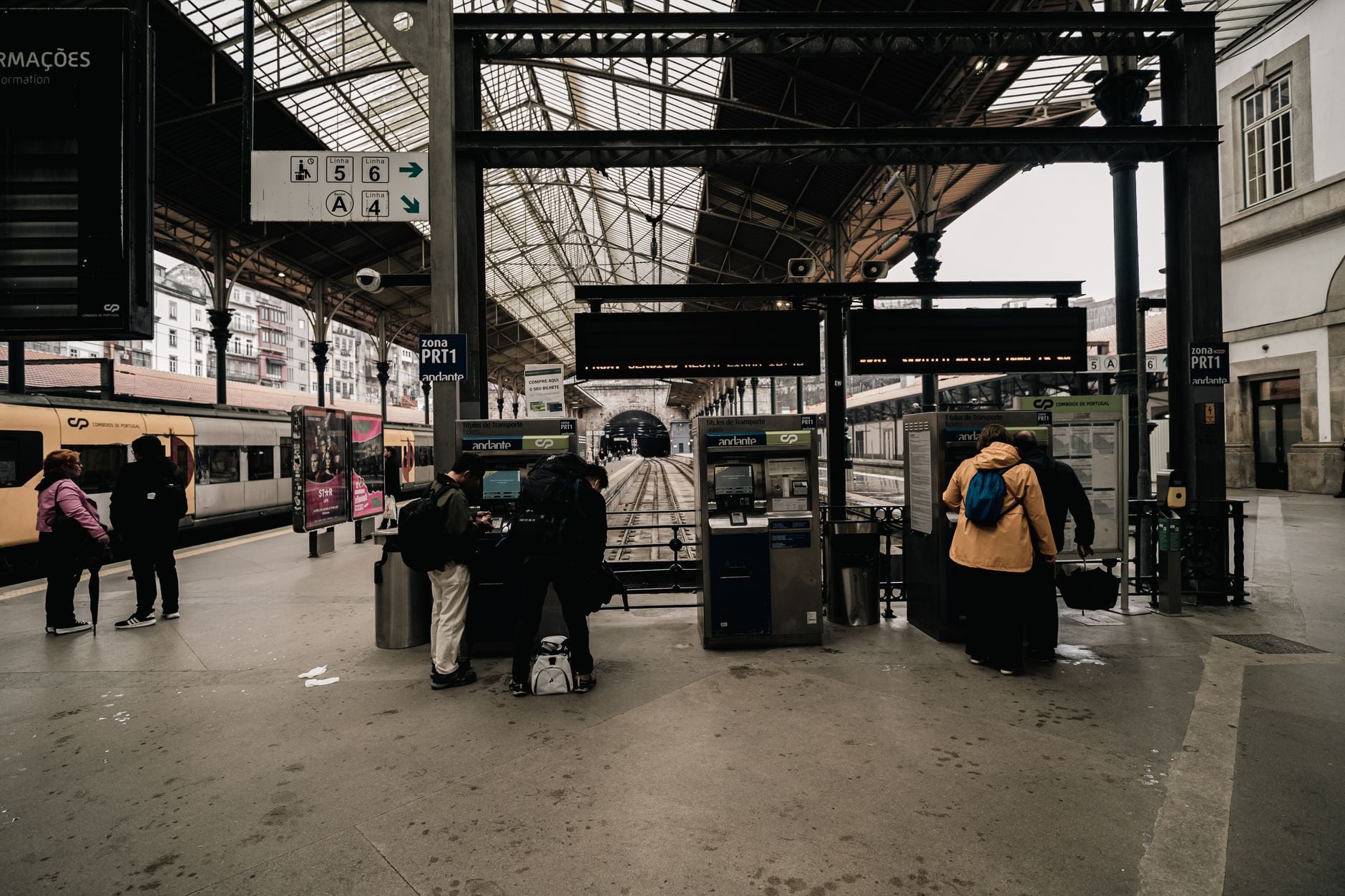
European societies have embraced rail infrastructure as integral to lifestyle. Commuters, students, and leisure travelers all utilize trains routinely. This normalization creates supportive infrastructure – frequent service, competitive pricing, integrated scheduling with other transportation modes. Nations invest consistently in rail networks, treating them as essential infrastructure rather than discretionary transportation.
This cultural commitment contrasts sharply with automotive-dominant regions where train travel remains marginal. European nations prioritize environmental sustainability alongside economic efficiency – train travel’s lower carbon footprint and congestion reduction align with cultural priorities. This support creates virtuous cycles where investment enables service quality, which encourages adoption, which justifies continued investment.
Train culture creates secondary benefits. Public transportation literacy enables economic mobility – people without personal vehicles can travel independently. Environmental consciousness becomes normalized – choosing trains over private vehicles becomes standard rather than exceptional. Community connections develop – repeated train journeys create familiar faces, conversation partners, and informal social networks.
Scenic Routes: Transportation Becomes Tourism
Certain European train journeys transcend functional transportation, becoming attractions themselves. The Glacier Express in Switzerland, the Bergen Railway in Norway, the Bernina Express traversing Alpine passes – these routes showcase landscapes that aviation’s altitude removes from appreciation and automobile travel restricts through windshield mediation.
Scenic train journeys enable photography, detailed landscape observation, and genuine connection with geography. Watching terrain unfold gradually reveals how landscape features connect – glacier valleys meeting river systems, alpine passes descending into agricultural plateaus. This geographic education surpasses tourism documentaries’ fast-forwarded scenery.
Booking scenic routes through Thetrainline and similar platforms enables discovering lesser-known journeys alongside famous routes. Many travelers focus exclusively on famous Glacier Express or similar iconic journeys while overlooking equally spectacular routes lacking international marketing. Strategic exploration reveals hidden gems offering comparable scenery at reduced pricing.
Timing scenic routes for optimal lighting maximizes experience. Certain journeys merit afternoon departures for optimal Alpine mountain lighting, while others work better morning travel. Understanding these timing nuances enables optimized experience. Thetrainline platform flexibility enables booking strategic departure times without paying premium pricing.
Practical Considerations for Train-Based Itineraries
Planning efficient rail itineraries requires understanding European train network interconnections. Most countries operate integrated services enabling complex multi-country journeys with reasonable transfer times and coordinated scheduling. Understanding these connections prevents designing itineraries requiring impossible timings or excessive waiting.
Language considerations matter less with modern train systems than many travelers assume. Clear international signage, English-speaking staff at major stations, and smartphone translation tools enable non-speakers navigating successfully. Certain Eastern European routes may demand greater care, but Western European networks accommodate international travelers extensively.
Night trains represent overlooked opportunities for efficient multi-country travel. Boarding in one city, waking in another saves hotel nights while incorporating transportation into sleep time. European night train networks have expanded recently, offering cabin options from budget bunks to private suites with shower facilities.
Seasonal service variations require advance planning. Summer months feature maximum frequency and long operating hours; winter service contracts significantly. Planning winter travel requires checking specific schedules rather than assuming summer availability. Similarly, some scenic routes operate seasonally – high alpine passes close in winter, with seasonal services resuming spring and autumn.
Environmental Responsibility and Conscious Travel
Train travel’s significantly lower carbon footprint compared to personal vehicles or aviation aligns with growing environmental consciousness. Each traveler switching from automobile or flight to train reduces environmental impact substantially. Collectively, millions choosing trains create genuine climate benefits alongside personal cost savings.
This environmental advantage appeals particularly to younger travelers and conscious consumers. Choosing trains enables traveling without environmental guilt – exploring world while minimizing climate impact becomes possible. European train culture’s environmental foundation attracts values-aligned travelers seeking responsible exploration options.
Social Connection and Conversation
Train journeys enable conversation and social connection absent in automobile-based travel. Shared dining cars create natural meeting points where solo travelers encounter fellow adventurers. Shared cabins foster conversation and friendship formation. These social dimensions transform solitary journeys into shared adventures creating lasting memories and unexpected friendships.
For solo travelers, particularly younger adventurers, these social opportunities provide safety, insight, and memorable companionship. For families, train journeys create contained spaces enabling interaction without driving concentration demands. For couples, extended journeys enable sustained conversation and quality time.
Conclusion: Experiencing Europe Authentically

European train networks represent far more than efficient transportation infrastructure – they embody philosophy valuing experience alongside logistics, environmental consciousness alongside economic rationality, and human connection alongside individual autonomy. Choosing train travel for European exploration yields experiences transcending functional movement, creating memories that define travel experiences positively.
Experienced travelers increasingly recognize train advantages, choosing rail regardless of cost considerations. Modern platforms like Thetrainline enable effortless booking of complex itineraries, removing logistics barriers that once made train travel impractical. Combining platform accessibility with European train culture’s inherent advantages creates opportunity for exceptional travel experiences blending efficiency, comfort, affordability, environmental responsibility, and authentic connection with European landscapes and cultures.

Luca Moretti is a global lifestyle writer with a passion for storytelling through travel, fashion, and urban exploration. Inspired by vibrant cities and timeless destinations, he creates content that reflects sophistication and curiosity. Luca’s work focuses on helping readers discover unique places, elevated experiences, and the art of living stylishly on the move.