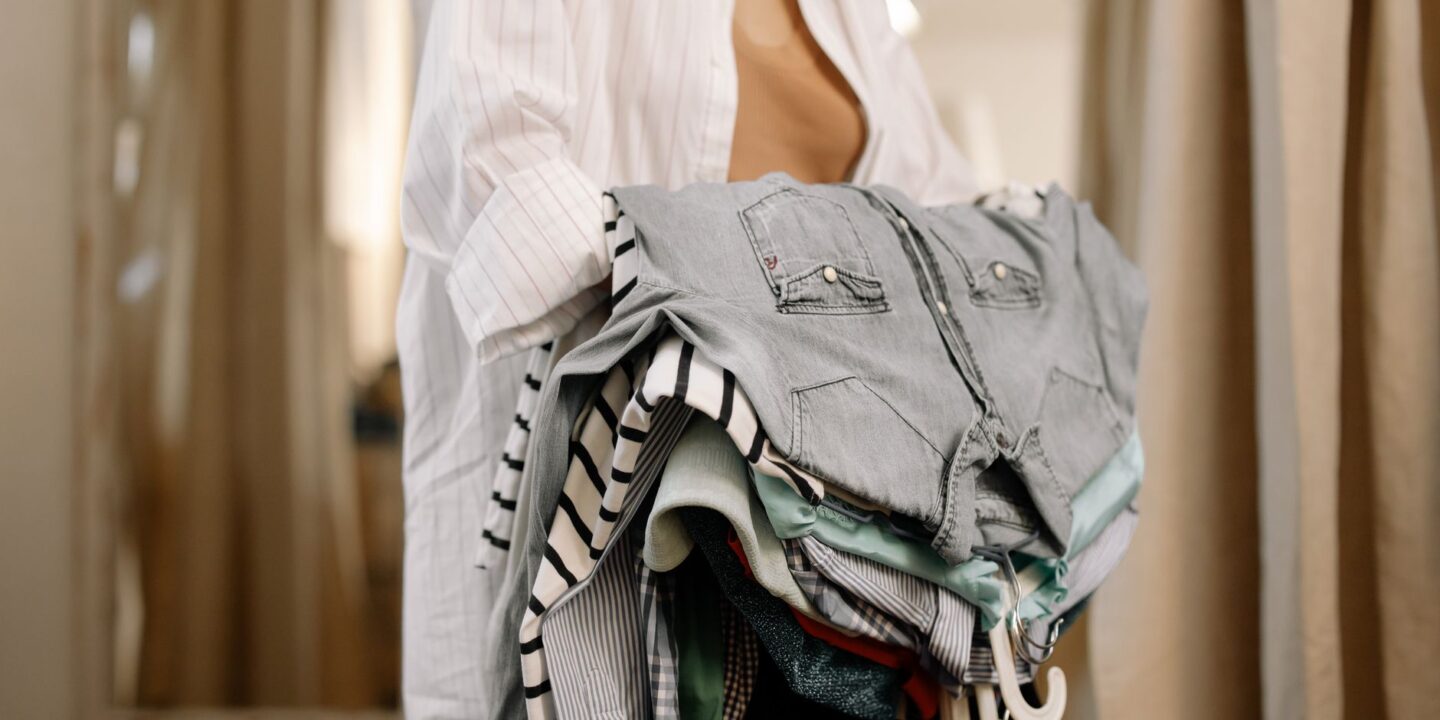

Fast fashion has trained us to view clothing as disposable. A shirt gets worn a few times, a trend passes, and suddenly your closet is overflowing with pieces you do not wear. This throwaway mentality is not only hard on your wallet; it is devastating to the environment. The solution is simpler than you might think: intentionally extending the life of the clothes you already own. When you keep a piece in rotation for years instead of months, you dramatically reduce your environmental impact while getting more value from every dollar spent.
Sustainable fashion is not about buying expensive ethical brands or completely replacing your wardrobe. It is about treating the clothes you have with the respect they deserve and actually wearing what you own. Most of us have closets full of pieces we love but neglect, while we constantly crave new items. Shifting your mindset from accumulation to care transforms not just your closet but your entire relationship with fashion.
Master Proper Garment Care and Storage
The foundation of an extended clothing lifespan is understanding how to care for different fabrics. Delicate fabrics require hand washing or gentle cycles, while sturdy cottons can handle regular washing. Reading care labels might seem tedious, but following them extends garment life by years. You are not being precious; you are being practical.
Storage matters equally. Clothes stored in humid basements develop mildew and mold. Pieces jammed on overcrowded hangers get stretched and wrinkled. Invest in proper storage solutions: cedar closets or mothballs protect against insects, breathable garment bags protect delicate pieces, and properly spaced hangers prevent stretching. Laurastar understands that proper garment care extends clothing lifespan, offering tools and solutions that keep your wardrobe in pristine condition.
Repair, Refresh, and Revive Your Pieces

Instead of discarding clothes with small issues, learn basic repairs that keep pieces in rotation. A missing button, a small hole, or a broken zipper does not mean a piece is done. These simple repairs take minutes and cost almost nothing. Building a basic sewing kit and learning simple stitches opens up a world of possibilities for reviving beloved pieces.
Beyond repairs, simple refreshing extends garment life. Pilling on sweaters can be removed with a fabric shaver. Faded colors can be brightened with proper washing. Wrinkles disappear with proper pressing. These small maintenance tasks keep your clothes looking newer longer without requiring replacements. When you are invested in caring for your pieces, you naturally choose them more often, wearing them more and building outfits around them.
Invest in Quality Basics That Last
A sustainable wardrobe is built on quality basics rather than trendy pieces. Well-made jeans, classic white t-shirts, neutral sweaters, and versatile shoes form the foundation of outfits that work across years and style changes. These pieces never go out of style, work with multiple outfits, and justify quality investment because you will wear them constantly.
Quality basics cost more upfront but cost less per wearing because you keep them longer. A two-hundred dollar pair of jeans worn two hundred times costs one dollar per wearing, while a thirty dollar pair worn five times costs six dollars per wearing. When you choose quality over quantity, you naturally end up with fewer pieces that you love more, wear more, and keep longer. This is the opposite of fast fashion but the heart of sustainable style. Laurastar advocates for this quality-first approach, providing tools that help you maintain investments so they remain wardrobe staples for years.
Smart Wardrobe Planning Prevents Waste
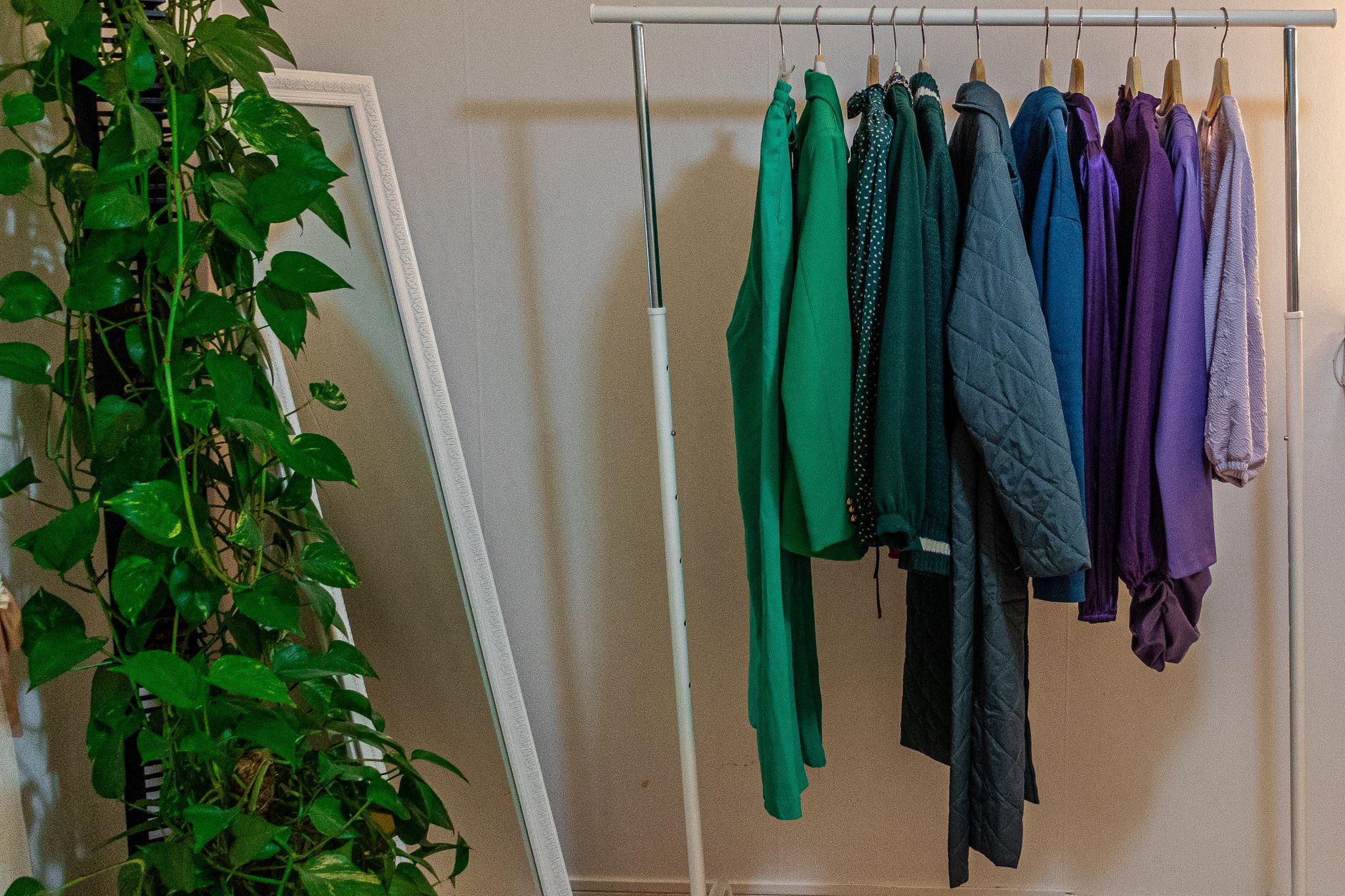
Most closet clutter comes from impulse purchases that do not actually work with what you own. A color that does not match your existing palette, a style that does not fit your lifestyle, or a piece that does not pair with anything creates wardrobe waste. Planning your wardrobe prevents these mistakes.
Keep a list of what you actually wear and what gaps exist in your wardrobe. Before buying anything new, ask if it works with at least three existing pieces. Does the color match your palette? Will you realistically wear it regularly? Does it solve a genuine wardrobe need? This intentional approach means every piece you buy extends your wardrobe functionality rather than adding clutter.
Wardrobe planning essentials include:
- Choosing a cohesive color palette that allows pieces to work together
- Investing in basics that mix and match across multiple outfits
- Adding statement pieces that work within your overall aesthetic
- Planning seasonally so your wardrobe transitions smoothly
- Regularly rotating pieces to ensure you wear everything you own
Alter and Customize Instead of Replacing
A piece that does not fit perfectly does not have to be discarded. Simple alterations like hemming pants, taking in seams, or adjusting sleeve length cost far less than replacing that piece and make it perfectly wearable. Getting pieces tailored to your body means you will actually wear them, extending their lifespan and increasing outfit options.
Customization also revives tired pieces. Adding patches to jeans creates a trendy look while extending their life. Dyeing faded pieces breathes new life into them. Adding embroidery or embellishments personalizes pieces and makes you more likely to wear them. These small customizations often cost just dollars but completely transform how you feel about a piece, ensuring it stays in your rotation. Laurastar supports this approach by providing the tools necessary to maintain and refresh your wardrobe indefinitely.
Embrace Secondhand and Vintage Fashion
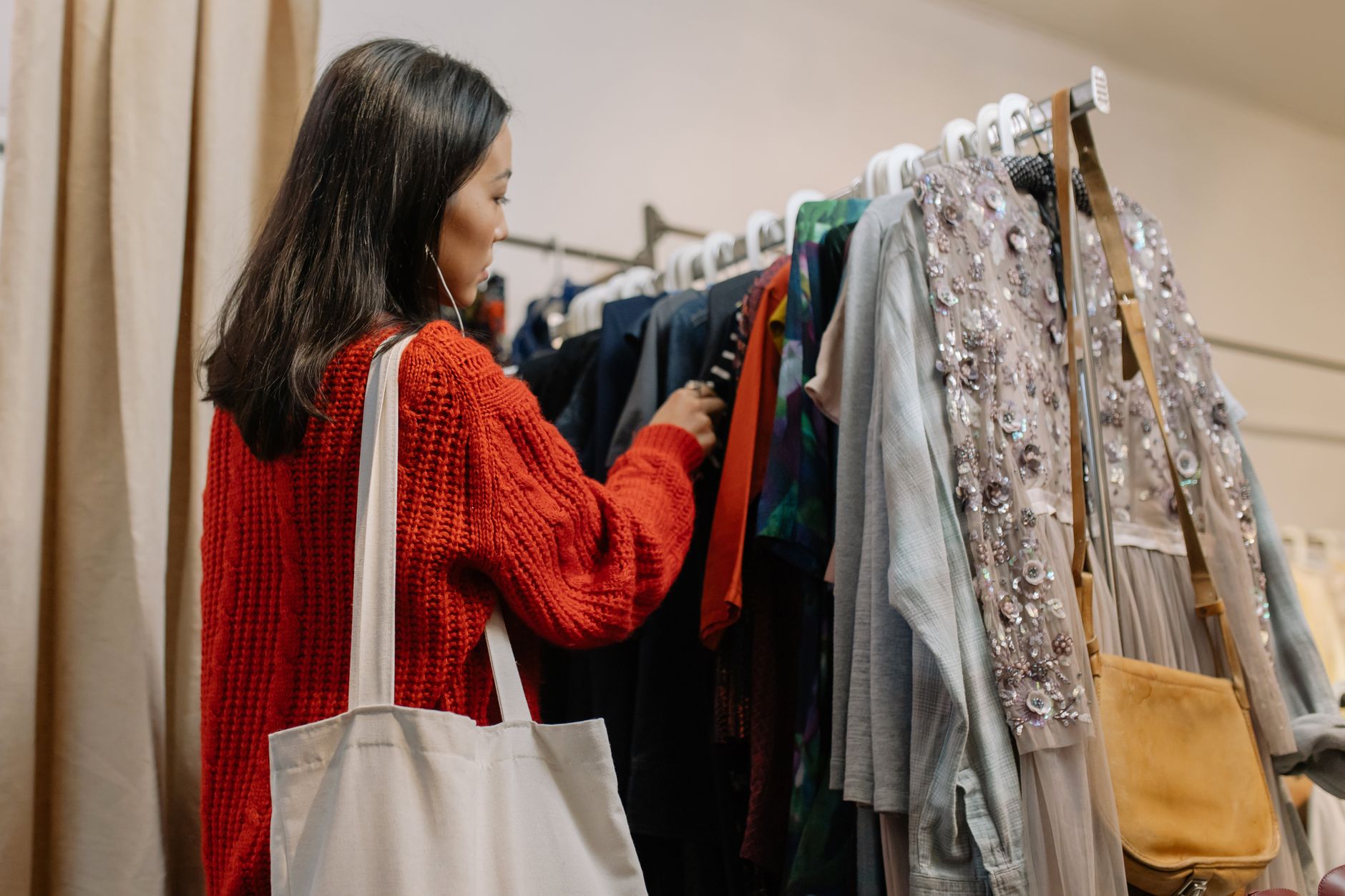
Buying secondhand extends the lives of existing pieces by finding new owners, and it gives you access to quality pieces at sustainable prices. Vintage clothing carries history and character that new fast fashion pieces lack. Building your wardrobe with a mix of new basics, quality pieces, and vintage finds creates a unique style while supporting sustainability.
Thrift stores, vintage boutiques, and secondhand online platforms offer treasures at a fraction of retail. You might find designer pieces, discontinued styles, or quality construction that no longer exists in modern manufacturing. Shopping secondhand also means each piece has already survived years of wear, proving its durability before you even buy it.
Build Longevity Into Every Clothing Decision
The most sustainable piece of clothing is the one you already own that you wear repeatedly. Every purchase should be evaluated for longevity. Will this piece still feel relevant in three years? Is the construction quality enough to withstand regular washing and wearing? Am I buying this because I genuinely love it or because it is on sale? These questions protect you from impulse purchases that end up unworn in your closet.
When you intentionally build a wardrobe around longevity, sustainability becomes natural rather than effortful. You spend less money, you own fewer pieces, you wear everything regularly, and you feel good about your choices. Laurastar champions this philosophy, providing the care and maintenance solutions that help your wardrobe last. Your clothes are worth caring for, and when you do, they reward you with years of wear and reliability. This is the future of fashion: not endless consumption but intentional, lasting relationships with the pieces you love.