Italian educational culture carries something precious that’s been almost lost in the race toward standardized testing and one-size-fits-all curricula. It’s an understanding that education isn’t just about content knowledge; it’s about developing whole humans. The philosophy emphasizes relationships, creativity, and the development of critical thinking over memorization.
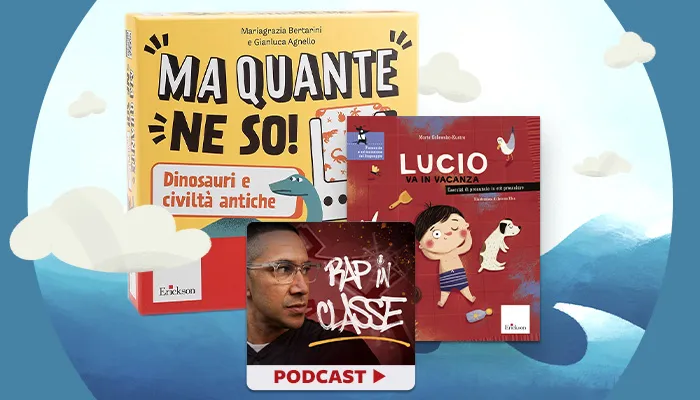
This might sound poetic but impractical, until you realize that Italian schools consistently outperform more test-heavy systems in measures of creativity, critical thinking, and student well-being. Erickson brings this Italian educational tradition into modern family learning, offering resources that honor the child’s developing mind while preparing them for real-world competence.
The Montessori Shadow: Italy’s Educational Philosophy
Italy gave the world Montessori education, but that’s just one expression of a broader philosophy. The Italian approach to education is fundamentally child-centered. The idea is that education shouldn’t be something done to children—it should be something that emerges from understanding how each child thinks, what they’re curious about, and what they’re developmentally ready to learn.
This doesn’t mean chaos or permissiveness. Structure matters. But the structure serves the child’s learning, not the other way around. An Italian classroom is organized to support exploration, collaboration, and discovery. Children aren’t sitting in rows facing the teacher. They’re arranged in ways that facilitate conversation, peer learning, and hands-on exploration.
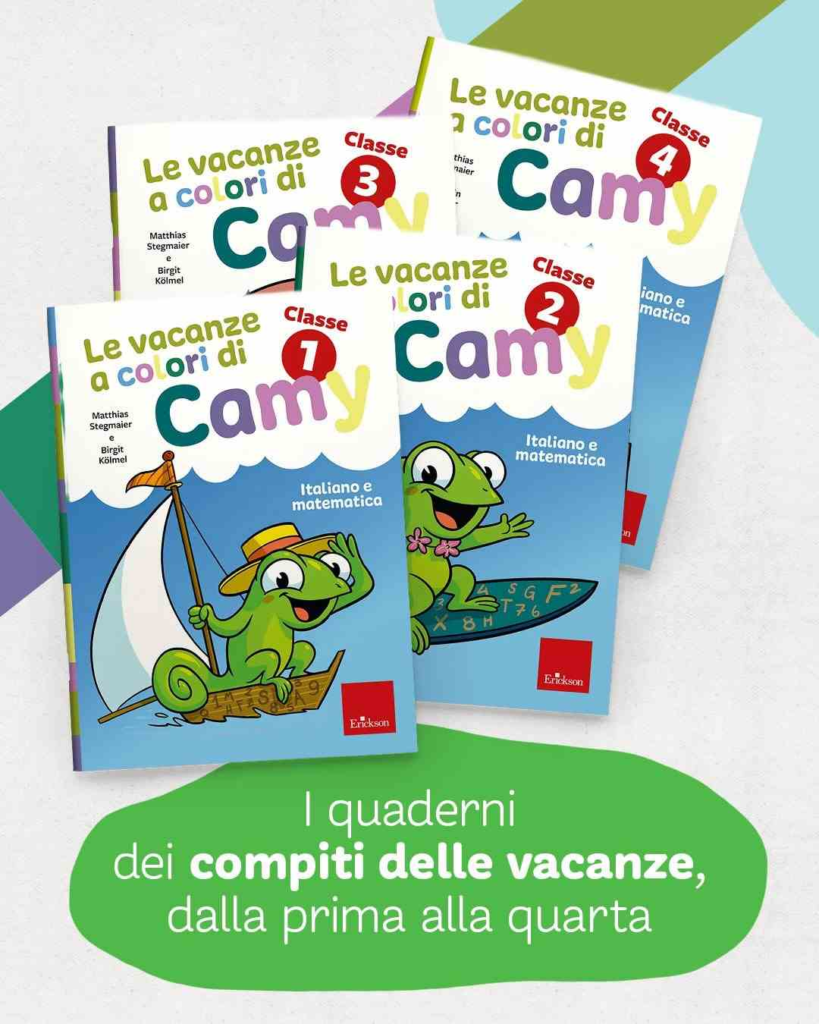
Erickson takes this philosophy and makes it accessible to families doing homeschooling or supplementing traditional education. Their materials recognize that you don’t need a Montessori classroom to educate effectively. You need principles: respect for the child, understanding of development, and activities designed to develop thinking rather than just transmit content.
Language, Culture, and Identity in Learning
Italians understand something that gets lost in standardized education systems: learning is deeply cultural. The language you learn in shapes how you think. The stories you’re told shape your understanding of what’s possible. The history you study shapes your sense of identity and place in the world.
For families in Italian-speaking communities, or families trying to maintain Italian language and culture, this is crucial. Erickson‘s Italian-language educational resources aren’t translations of English materials. They’re developed by people in Italian educational contexts, drawing on Italian cultural content, and designed for Italian learners and family contexts.
This matters because language learning isn’t just about vocabulary. It’s about inhabiting another way of thinking. When a child learns Italian through materials grounded in Italian culture—Italian literature, Italian art, Italian history, Italian approaches to problem-solving—they’re not just learning words. They’re developing a way of being in the world.
The Arts as Central, Not Supplementary
One thing that immediately distinguishes Italian education from many English-language systems is the centrality of the arts. Music, visual art, theater, literature—these aren’t enrichment activities. They’re core to how children develop their thinking.
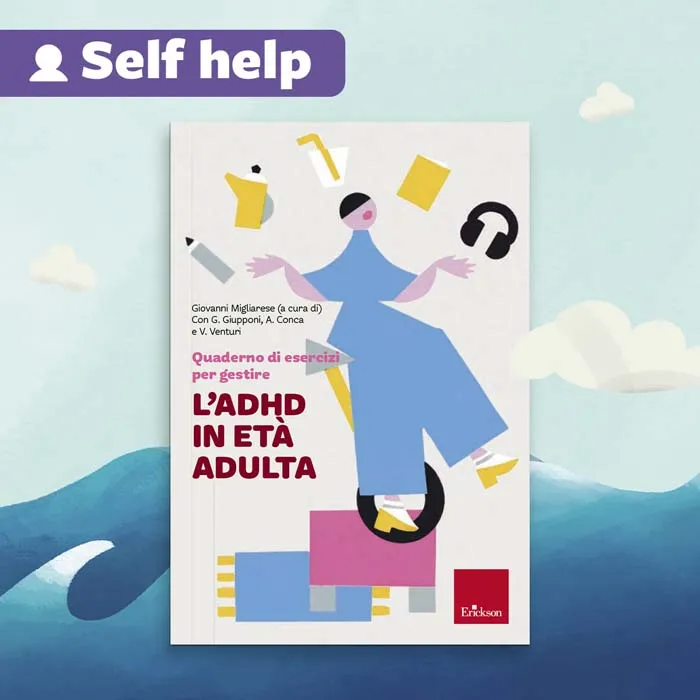
This might seem like a luxury for wealthy schools, but actually it’s the opposite. Arts education develops pattern recognition, creative problem-solving, emotional intelligence, and communication skills. These aren’t nice extras. They’re foundational to how humans think and learn.
When you engage with an Italian educational resource, you’ll notice this immediately. Erickson materials incorporate visual art, music, literature, and dramatic play not as special events but as regular ways of engaging with ideas. A lesson about seasons might involve looking at paintings by Italian landscape artists, listening to Vivaldi, reading Italian poetry, and creating your own artwork inspired by the season.
Collaboration Over Competition
Traditional educational systems often pit students against each other. Grades create artificial scarcity—if you succeed, someone else fails. This creates competition where collaboration would be more effective and humane.
Italian educational philosophy emphasizes learning as a social, collaborative process. Children work in groups. They learn from each other. The classroom is a community of learners where everyone has something to contribute. A shy child might have brilliant ideas but struggle to express them. A more outgoing child might help articulate those ideas. A child struggling with reading comprehension might excel at creative thinking. Another child might organize the group’s efforts.
These complementary strengths aren’t problems to fix—they’re the reality of human diversity. Erickson‘s approach treats collaboration as a core learning method. Their activities are designed for group work. The assumption is that learning happens through dialogue, perspective-taking, and mutual support.
Didactics: Teaching as Craft
In Italian education culture, there’s a whole field called didactics—the science and art of teaching. It’s not just about knowing content. It’s about understanding how to present ideas in ways that connect to how learners actually think.
This is where Erickson‘s expertise shines. They employ educators who understand developmental psychology deeply, who know how to scaffold learning, who can present complex ideas in forms that young learners can engage with authentically. Their books aren’t just filled with good ideas. They’re carefully structured to guide the learning process.
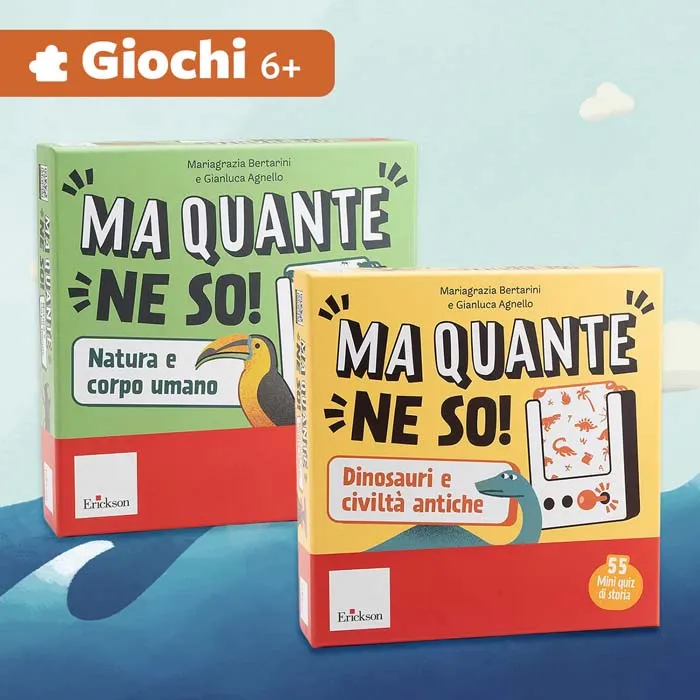
Parents as Partners, Not Bystanders
An Italian approach to education treats parents as essential partners in learning. The school or educational resource doesn’t try to do everything. It equips and supports parents to guide their children’s learning at home.
This requires different materials than traditional textbooks. It requires resources that help parents understand not just what their child should learn, but why, and how they can support that learning. Erickson‘s materials do this explicitly. They explain the thinking behind activities. They help parents understand what they’re building in their child’s mind, not just what facts they’re transmitting.
Quality Over Quantity
Italian education tends to go deeper rather than broader. Instead of racing through dozens of topics superficially, Italian curricula pick core ideas and explore them thoroughly. This develops real understanding rather than the illusion of knowledge that comes from surface exposure to many topics.
When you use Erickson materials, you’re choosing this approach. You’re saying no to the pressure to cover everything and yes to the slower, deeper work of actual learning. You’re trusting that children who develop real thinking skills can learn anything. You’re not trying to make them little experts in many fields. You’re developing their fundamental capacity to learn, think, create, and collaborate.
This philosophy, coming from centuries of European educational tradition and refined through decades of research in learning sciences, offers a profound alternative to the test-prep, coverage-focused education that dominates many systems. It’s about raising humans who think well and live well, prepared not for a test, but for a life.

Sienna is the creative visionary behind Posh Journey Style. With a background in fashion and a passion for global exploration, she curates the perfect blend of luxury travel, cutting-edge technology, and timeless beauty. Sienna believes that true style is found in the details, inspiring readers to elevate their daily lives with elegance and innovation.