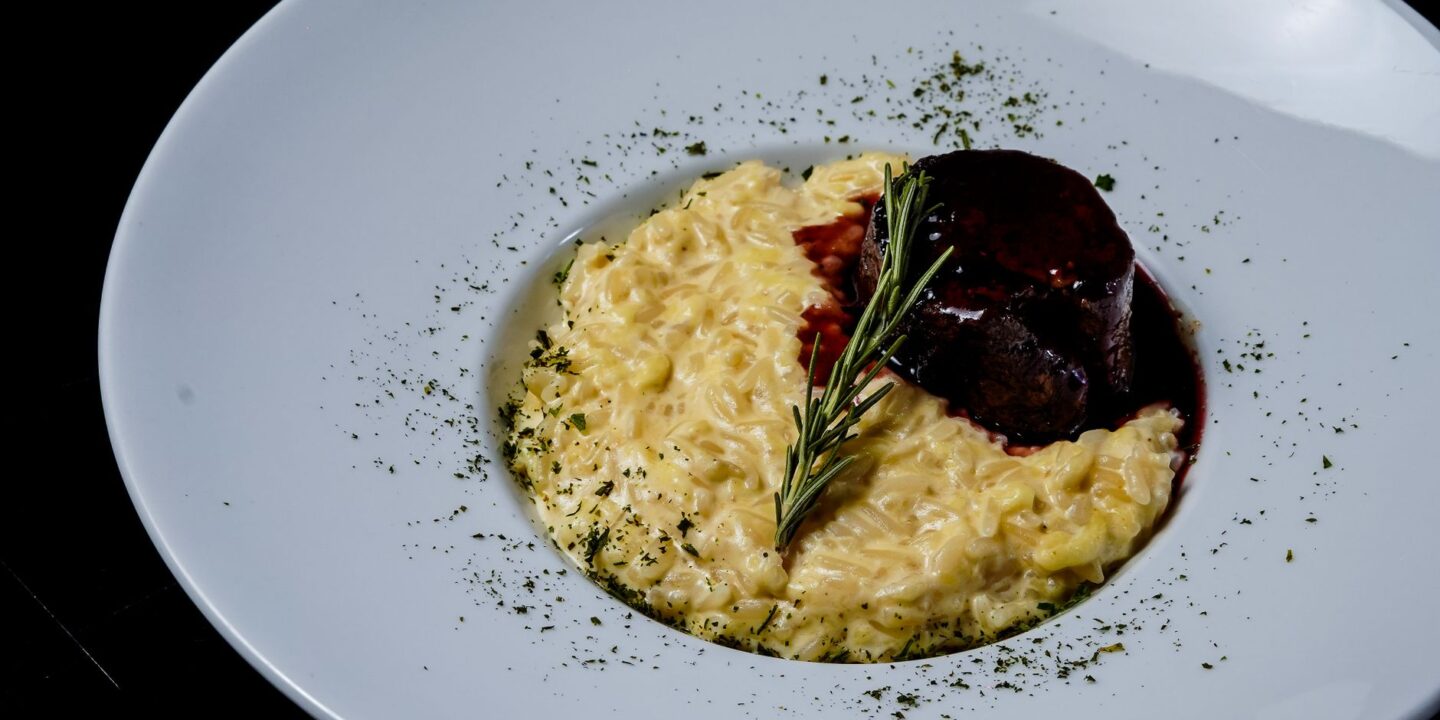

There’s a profound difference between knowing what Italian food is and understanding Italian food culture. Most people have eaten Italian restaurant food, even if that’s often not what Italians actually eat. Real Italian gastronomy is about regional traditions, seasonal eating, quality ingredients, and the understanding that food is central to family and community.
Gastrodomus brings authentic Italian food culture home. Not restaurant versions designed for tourists, but real Italian food—the food families actually eat, the traditions that have evolved over centuries, the approach to eating that emphasizes quality, seasonality, and togetherness.
Italy Is Not One Food Culture—It’s Twenty
Americans often think of Italian food as a single cuisine. Actually, Italy has distinct regional food cultures that differ dramatically. Sicilian food differs from Tuscan food. Roman food differs from Bolognese food. Coastal regions eat differently than mountain regions. What’s traditional in one region might not even be eaten in another.
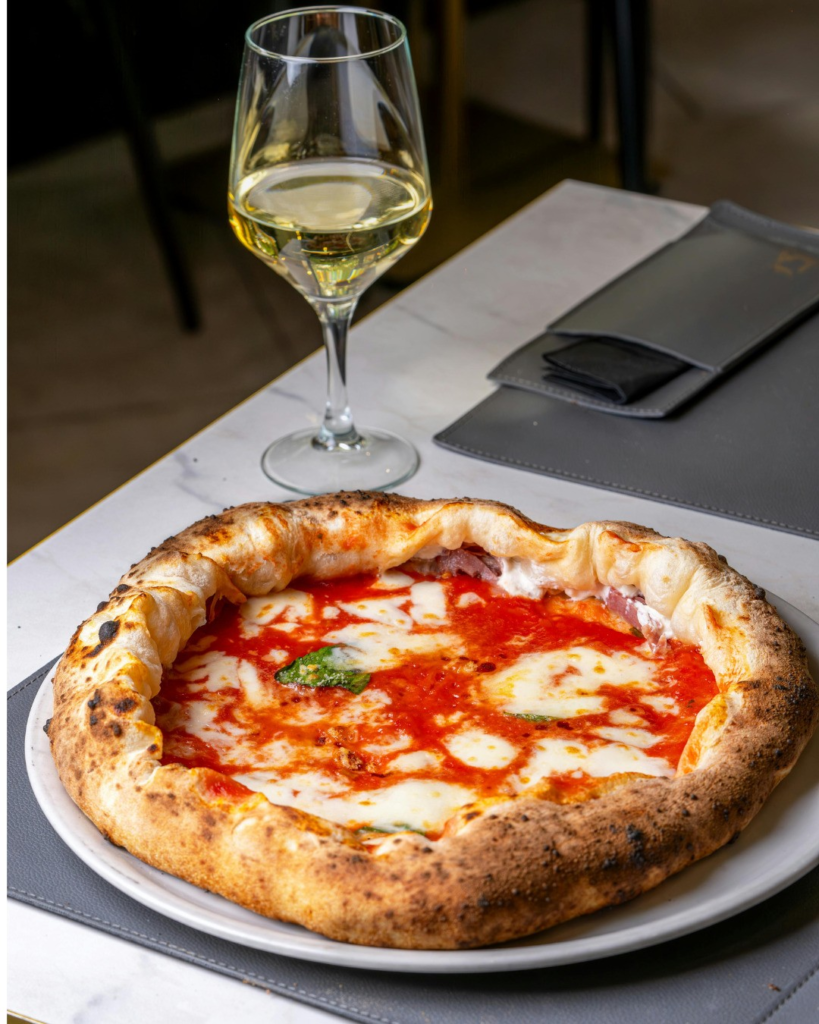
This regional diversity reflects geography, history, and available ingredients. Northern Italy, with dairy cows, features more cream-based sauces and risotto. Southern Italy features more tomato-based sauces and pasta. Coastal regions feature more seafood. Each region’s food reflects its landscape and history.
Gastrodomus honors this regional diversity. Rather than presenting Italian food as a monolith, they offer products and information grounded in specific regional traditions. Sicilian ingredients differ from Tuscan ingredients. Each has value. Each tells a story about place.
Seasonality: The Forgotten Principle
Modern supermarkets have trained us to expect any food any time. Strawberries in winter. Tomatoes in December. This is disconnected from how food actually grows and how Italians actually eat. Traditional Italian cooking is intensely seasonal.
Spring brings fresh vegetables and lighter preparations. Summer brings tomatoes at their peak, creating the sauces that will sustain through winter. Fall brings mushrooms, game, and preparation for winter. Winter brings hearty soups, stored vegetables, and preserved items. This rhythm connects eating to the actual seasons.
This isn’t quaint nostalgia. It’s smart eating. Seasonal foods are at their nutritional peak when they’re actually in season. They’re cheaper because supply exceeds demand. They’re more flavorful because they’ve ripened naturally. Eating seasonally connects you to your environment and your region.
Quality Ingredients Over Complex Preparation
Italian cooking is not complicated. It’s elegant in its simplicity. A perfectly ripe tomato. Good olive oil. Fresh basil. Combine these simple elements and you have something perfect. Complex techniques can’t improve an ingredient that’s already perfect.
This is fundamentally different from French cuisine, which emphasizes technique and transformation. Italian cuisine emphasizes respecting the ingredient. The technique is minimal. The quality of ingredients is everything.
What this means practically is that good Italian cooking requires good ingredients. Cheap canned tomatoes won’t make good pasta sauce. Poor quality olive oil won’t taste good. Mediocre pasta is genuinely worse than good pasta. Gastrodomus understands this and focuses on quality ingredients that deserve respectful, simple preparation.
The Ritual of Eating Together
In Italian culture, eating is not fuel. It’s ceremony. It’s community. Families gather around the table. Meals are long. There’s no hurrying. Conversation is as important as food. The ritual of gathering, eating together, and connecting is the point.
This creates fundamentally different relationship to food. You’re not eating alone while working. You’re not eating standing up at a counter. You’re sitting with people you care about, eating food someone prepared, participating in a ritual that connects you to your family and culture.
This has real health benefits. Eating together, eating slowly, eating in a social context—these practices are associated with better digestion, better nutrition, healthier relationships with food, and reduced tendency toward overeating. It’s not just pleasant. It’s actually healthy.
Pasta: Not a Carb-Heavy Villain
Americans have made pasta into something wrong. Low-carb diets demonize it. Food culture treats it as guilty pleasure. But in Italian tradition, pasta is just one component of a balanced meal. It’s paired with vegetables. It’s dressed simply. Portion sizes are reasonable.
A traditional Italian pasta course is smaller than a typical American pasta serving. It’s not the main event—it’s one part of a meal that also includes vegetables, salad, maybe some protein. Eaten this way, pasta is part of a balanced diet, not a problem.
The problem isn’t pasta. The problem is how Americans eat it—gigantic portions of heavy, cheese-laden dishes that are nothing like how pasta is actually eaten in Italy. Gastrodomus offers access to authentic pasta and traditional preparations, so you can eat the way Italians do and understand why they don’t treat pasta as a villain.
Olive Oil: Beyond Cooking
Italian cuisine uses olive oil as a foundational ingredient, not just a cooking medium. Good olive oil is finished over cooked dishes. It’s drizzled on soups. It’s used for dipping bread. It’s part of the flavor profile, not just a cooking tool.
This requires quality olive oil. Cheap supermarket oil tastes like nothing. Good olive oil has flavor. Fruity, peppery, grassy notes. The flavor changes based on region, harvest time, and production method. This variation is the point.
Bread Culture
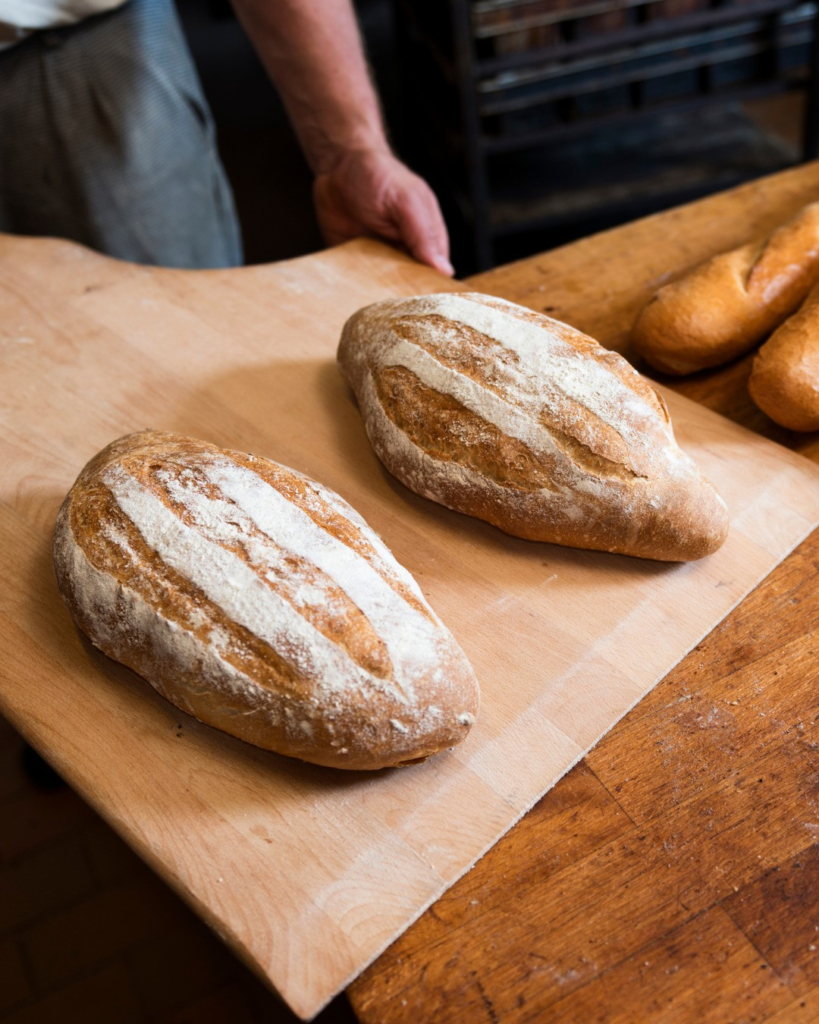
In Italy, bread is not a side. It’s central. Italian bread is simple—flour, water, salt, sometimes olive oil. No sugar. No dough conditioners. No preservatives. It’s made traditionally, dried at the crust, and eaten fresh or toasted.
This bread is completely different from commercial American bread with its soft crumb and long shelf life. It’s dense. It’s flavorful. It’s meant to be eaten fresh, often still warm. It’s meant to be torn apart and eaten with meals, to sop up sauce, to eat with cheese and cured meat.
Living the Italian Way
Understanding Italian food culture is about understanding a different approach to eating and living. It’s not about calories or macros or eating plans. It’s about quality. It’s about seasonality. It’s about simplicity. It’s about community. It’s about respecting food and eating as something that matters.
Gastrodomus makes this accessible. You can access authentic Italian ingredients and products. You can learn traditional preparations. You can bring Italian food culture into your home. You can eat the way generations of Italians have eaten—with attention, with quality ingredients, and most importantly, with people you care about.

Luca Moretti is a global lifestyle writer with a passion for storytelling through travel, fashion, and urban exploration. Inspired by vibrant cities and timeless destinations, he creates content that reflects sophistication and curiosity. Luca’s work focuses on helping readers discover unique places, elevated experiences, and the art of living stylishly on the move.