
Healthcare professionals face extraordinary demands – physically demanding shifts, emotionally taxing patient interactions, and strict hygiene requirements. Within this demanding environment, professional attire serves functions far beyond aesthetics. Quality medical uniforms support performance, communicate professionalism, meet regulatory compliance requirements, and contribute to healthcare settings’ culture and safety standards. Understanding why medical uniform quality matters reveals often-overlooked dimensions of professional healthcare work.
Medical professionals understand that uniforms represent more than clothing – they’re functional tools enabling safe, efficient patient care. Properly designed medical apparel incorporates features addressing healthcare’s unique demands: durability withstanding frequent laundering, barrier protection against contaminants, color options supporting professional communication, and fit accommodating movement during physically demanding procedures. Clinicdress specializes in professional healthcare apparel combining these functional requirements with appropriate aesthetics supporting healthcare environments.
Functional Requirements of Medical Uniforms
Durability represents fundamental medical uniform requirement. Healthcare workers undergo frequent wardrobe changes, intensive laundering, and regular exposure to substances staining standard clothing. Quality medical uniforms withstand hundreds of industrial wash cycles without degrading. Fabric strength, seam construction, and color fastness all affect longevity – investment in quality uniforms reduces replacement frequency and overall cost.
Barrier protection becomes increasingly important in infection control protocols. Medical uniforms function as first-line contamination barriers, protecting both healthcare workers and patients. Appropriate fabric weights and weaves prevent fluid transmission while remaining breathable and comfortable. Quality medical uniforms balance protection with wearability – excessive stiffness and discomfort discourage proper use.
Mobility and flexibility enable performing patient care effectively. Uniforms fitting too tightly restrict movement; ill-fitting uniforms create safety hazards. Quality medical apparel incorporates design elements enabling full range of motion – proper sleeve cut, strategic ventilation, and ergonomic fit. Healthcare workers performing demanding physical tasks benefit significantly from properly fitted, flexible uniforms.
Practical features address healthcare-specific needs – multiple pockets for equipment storage, reinforced crotch areas on pants for durability, breathable materials preventing excessive perspiration. These functional details remain invisible to external observers but significantly improve wearer experience during demanding shifts.
Professional Communication Through Uniforms
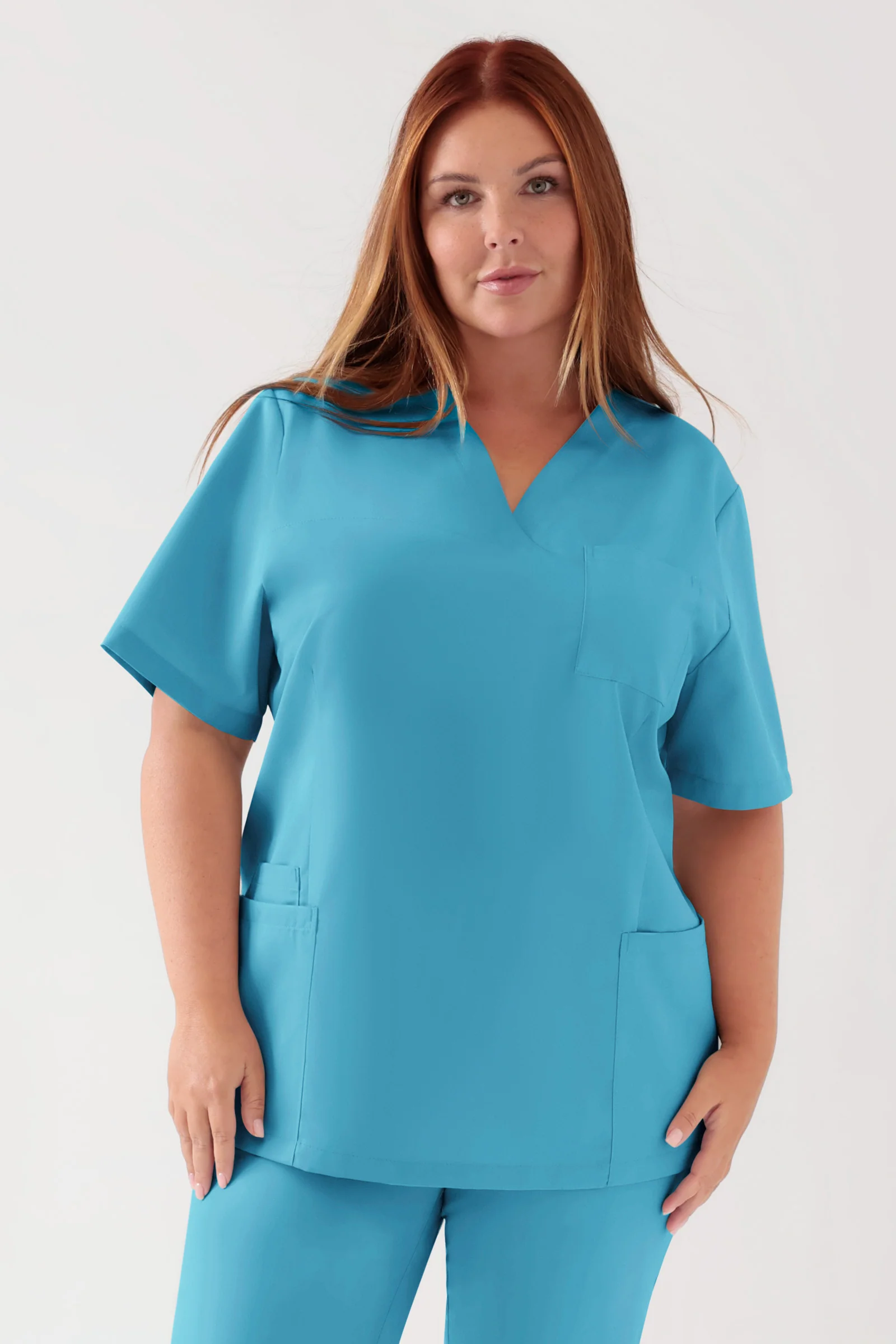
Medical uniforms communicate professional status instantly. Patients and visitors immediately recognize healthcare workers through distinctive attire. This recognition enables rapid identification supporting patient safety – patients seeking assistance can identify staff quickly, while staff navigating facilities can be located easily during emergencies.
Color selection communicates role within healthcare hierarchies. Traditional colors – scrub blues and greens – carry professional associations with healthcare workers. Some settings adopt color coding – specific colors indicating role types (nurses, physicians, technicians). This visual differentiation improves operational efficiency by enabling rapid role identification.
Professional presentation influences patient perception and confidence. Patients viewing well-presented, appropriately uniformed staff perceive higher quality care and increased trustworthiness. First impressions matter – professional appearance contributes significantly to positive patient relationships and treatment outcomes.
Compliance and Regulatory Standards
Healthcare facilities maintain strict uniform and appearance standards supporting patient safety and infection control. These standards encompass fabric composition, color restrictions, acceptable styles, and hygiene requirements. Quality uniform providers like Clinicdress understand and meet these regulatory requirements, enabling facilities maintaining compliance confidently.
Infection control protocols dictate uniform-specific requirements. Some settings mandate natural fiber content enabling high-temperature laundering destroying pathogens. Others require fluid-resistant materials preventing contamination penetration. Regulatory awareness ensures compliance rather than risking regulatory violations or patient safety compromises.
Professional licensing often includes appearance standards. Some healthcare professions maintain strict appearance codes within licensing requirements. Quality providers ensure uniforms supporting licensure compliance alongside regulatory standards.
Comfort During Extended Shifts
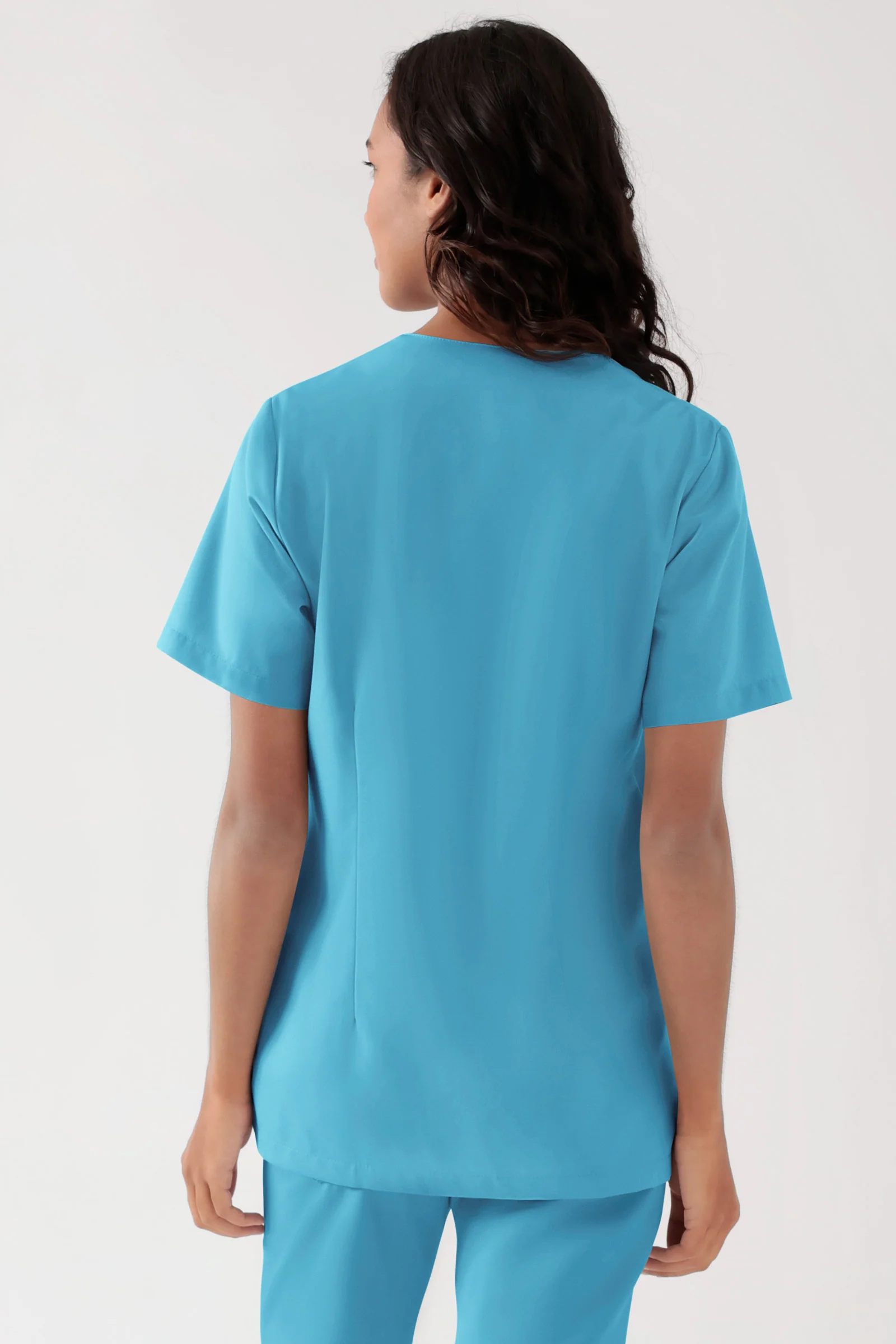
Healthcare professionals work extended shifts – often 12 hours standing, moving, and managing physically demanding patient care. Uniform comfort directly affects performance and wellbeing. Uncomfortable uniforms distract attention from patient care, increase fatigue, and contribute to occupational injuries.
Breathability becomes critical for extended wear. Materials trapping heat and perspiration cause discomfort and create conditions promoting infection risk. Quality medical uniforms incorporate moisture-wicking properties managing perspiration effectively during demanding physical activity.
Proper fit prevents pressure points and chafing during extended wear. Uniforms sized correctly eliminate bunching, restrict tight areas, and distribute weight evenly. This attention to fit directly impacts comfort during 12-hour shifts.
Gender-Inclusive and Body-Positive Uniforms
Healthcare workforces include diverse body types and gender presentations. Quality uniform providers recognize these differences, offering inclusive sizing and cut options. Gender-neutral designs serve non-binary professionals; extended sizing accommodates diverse body types. This inclusivity ensures all healthcare workers access appropriate professional attire.
Traditional uniform availability created inequities – women’s uniforms fit poorly on muscular builds, larger-bodied individuals struggled finding appropriate sizing, masculine presentations found limited options. Modern providers like Clinicdress recognize and address these inequities through inclusive design and sizing.
Career Advancement and Professional Identity
Quality uniforms contribute to professional identity development, particularly for early-career healthcare workers. Properly outfitted new professionals feel more confident and integrated within healthcare teams. This investment in presentation supports psychological wellness and career satisfaction.
Professional appearance standards improve with career advancement – senior clinicians often maintain higher appearance standards reflecting leadership roles. Investing in quality attire reflects commitment to professional standards and career development.
Cost-Benefit Analysis of Quality Uniforms
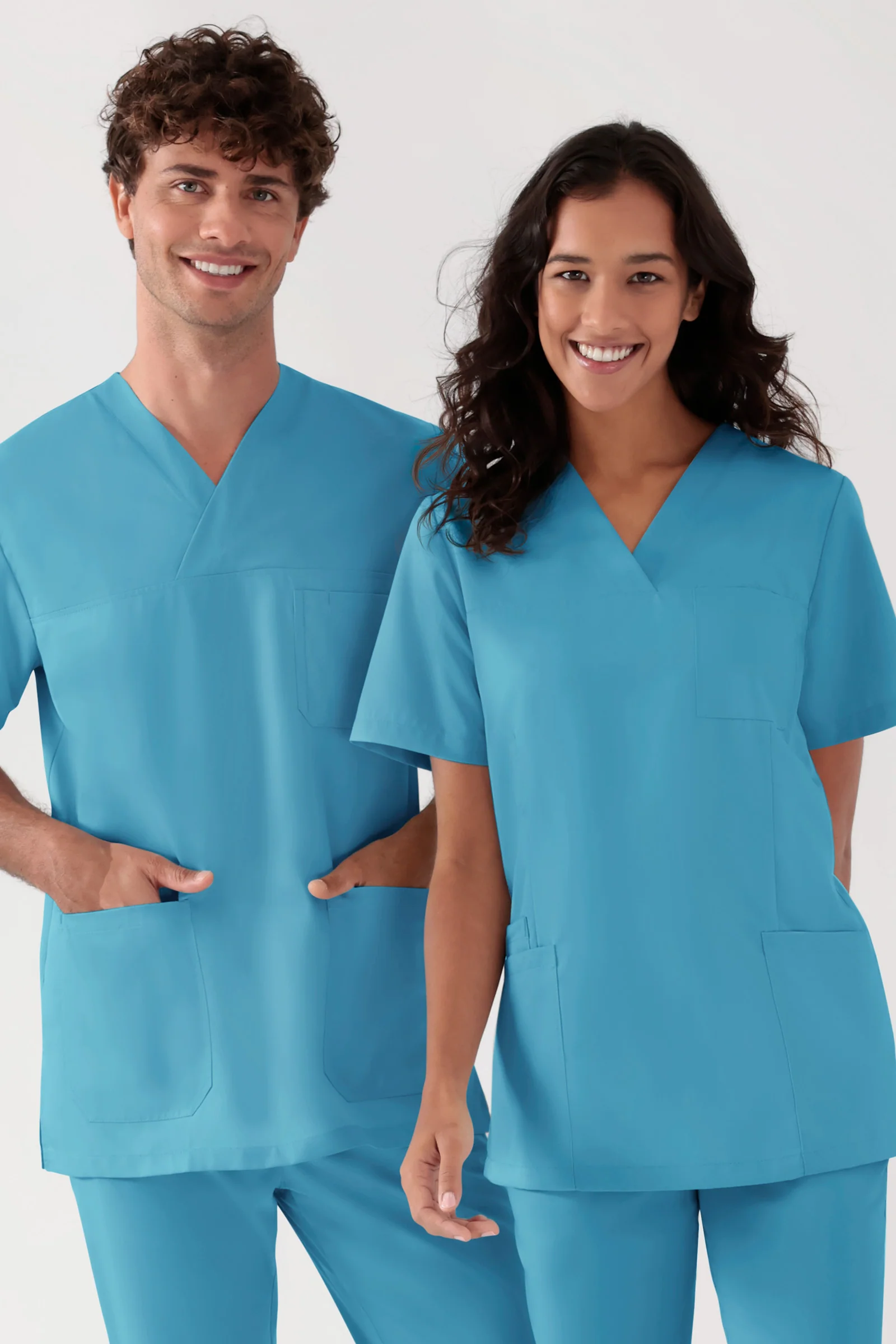
While quality medical uniforms cost more initially than budget alternatives, long-term value typically favors quality investments. Superior durability means fewer replacements; better comfort improves retention; professional appearance supports career advancement. Over multi-year careers, quality uniforms deliver better value than repeatedly replacing degraded budget options.
Facility investment in quality uniforms improves professional culture. When employers provide quality attire, workers perceive greater professional respect and institutional support. This investment improves morale and retention while reducing recruitment and training costs.
Selecting Quality Medical Uniforms
Assessing medical uniform quality examines fabric composition, construction details, design functionality, and sizing inclusivity. Clinicdress provides detailed product specifications and customer reviews enabling informed quality assessment. Checking reviews from actual healthcare workers reveals real-world performance in demanding environments.
Understanding facility requirements – regulatory standards, color requirements, role-specific features – informs selection. Specialized providers maintain compliance understanding, simplifying selection processes while ensuring regulatory adherence.
Quality medical uniforms represent investments in professional identity, operational safety, and occupational health. Understanding why uniform quality matters elevates professional standards while supporting healthcare workers’ physical and psychological wellbeing during demanding careers. For healthcare facilities and individual professionals, choosing providers like Clinicdress ensures access to attire supporting performance, safety, and professional presentation.

Aria Laurent is a travel and style enthusiast who captures the essence of glamorous journeys around the world. Her writing blends luxury experiences with authentic cultural moments, offering readers a refined perspective on modern travel. From boutique hotels to hidden gems, Aria shares curated insights for those who seek beauty, elegance, and adventure in every destination.