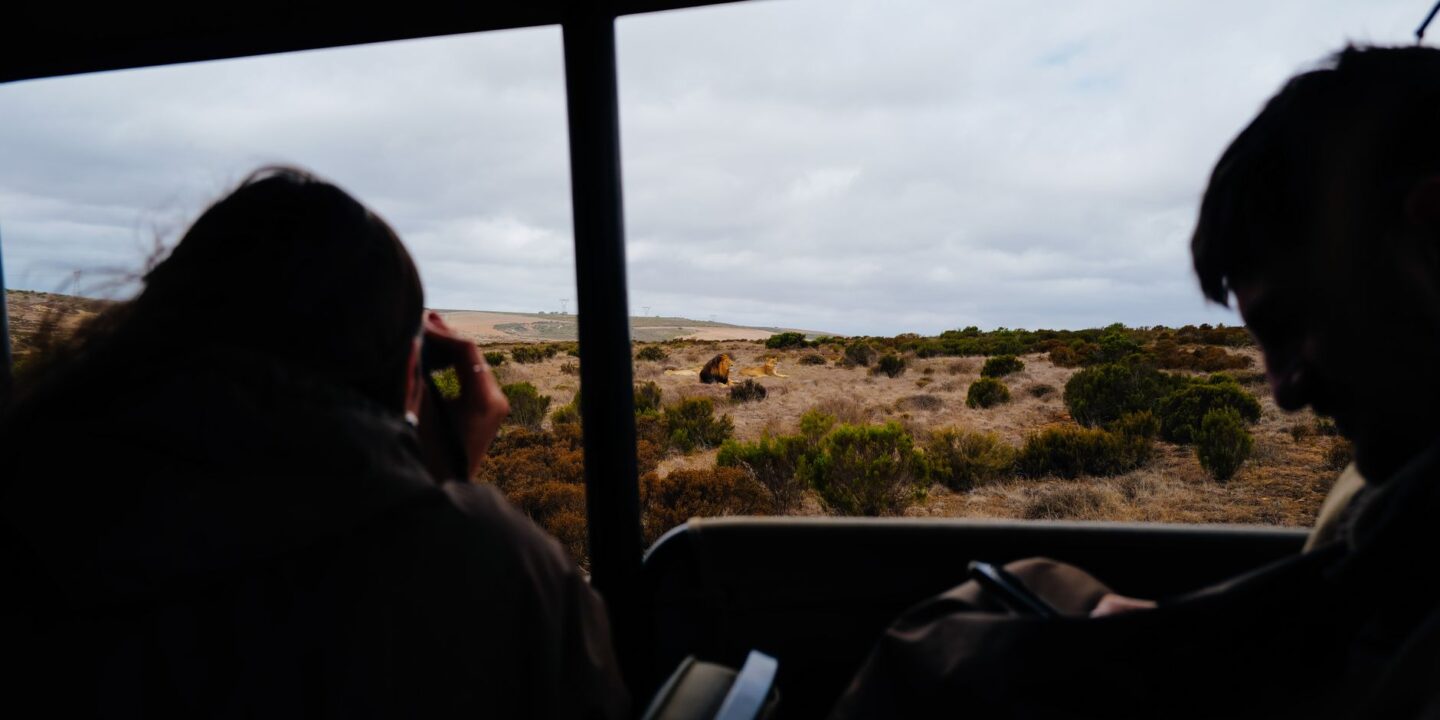

You’ve decided to go on an African safari. The thought alone sends ripples of excitement through your mind, but then reality sets in. Which country should you choose? When is the best time to visit? How much does it cost? What if you’re traveling with kids? How do you actually prepare for something this different from your usual vacation? Don’t panic. Thousands of first-time safari travelers ask these exact questions, and the good news is that planning a safari doesn’t require a degree in wildlife biology or months of meticulous research. It requires smart preparation and knowledge of a few key variables.
Choosing Your African Destination: The Wildlife vs. Logistics Question
Africa covers 30 million square kilometers and hosts some of the world’s most famous wildlife destinations, but they’re not all equally suited to first-time visitors. The classic choice remains East Africa, primarily Kenya and Tanzania, because the wildlife density is extraordinary and the infrastructure for tourists is well-established. The Serengeti in Tanzania and the Maasai Mara in Kenya are genuinely world-class wildlife viewing areas where your odds of seeing the Big Five, in a single trip are genuinely good.
Southern Africa offers another compelling option. Botswana’s Okavango Delta and Zimbabwe’s Victoria Falls region provide remarkable wildlife experiences with a slightly different ecosystem than East Africa. Safari en Afrique specializes in helping travelers navigate these regional options and match them to individual preferences. The difference between an East African safari and a Southern African safari isn’t about which is better, but about understanding what each region emphasizes.
For first-time visitors, ask yourself: What animals matter most to me? What’s my budget? How much time do I have? The answers determine your destination. East Africa offers better lion and large predator viewing. Southern Africa emphasizes the landscape’s grandeur and often provides a more intimate, exclusive experience. Both offer legitimate, world-class wildlife encounters.
Timing Your Safari: Beyond Simply Visiting in Summer
The traditional wisdom about African safari seasons is accurate, but it’s worth understanding why rather than simply booking during recommended months. The dry season, generally July through September in East Africa, concentrates animals around water sources as vegetation dies back and watering holes become rare. This increases your odds of dramatic animal encounters. The trade-off is that during dry season, every safari operator in the region is operating at full capacity, prices spike, and popular areas become crowded.
The green season, November through May depending on region, brings fewer tourists and lower prices. The landscape explodes with vegetation, making animals harder to spot but making the overall experience more visually stunning. Birdwatching becomes exceptional. It’s genuinely a different experience, not a worse one, just different. Companies like Safari en Afrique can advise on how to structure your trip based on your specific interests and tolerance for crowds versus price.
One often-overlooked timing consideration is your personal energy level. A safari involves early morning departures, typically 5:30 or 6 AM, and all-day outdoor exposure. You’re bouncing in an open vehicle across rough terrain. If you’re not naturally a morning person or if sitting for extended periods causes physical discomfort, acknowledge this before booking. Choose a region known for shorter distances between wildlife concentrations, or plan your safari during periods when fewer tours operate, giving your guide more flexibility in routing.
Safari with Family: Bringing Kids into the Bush
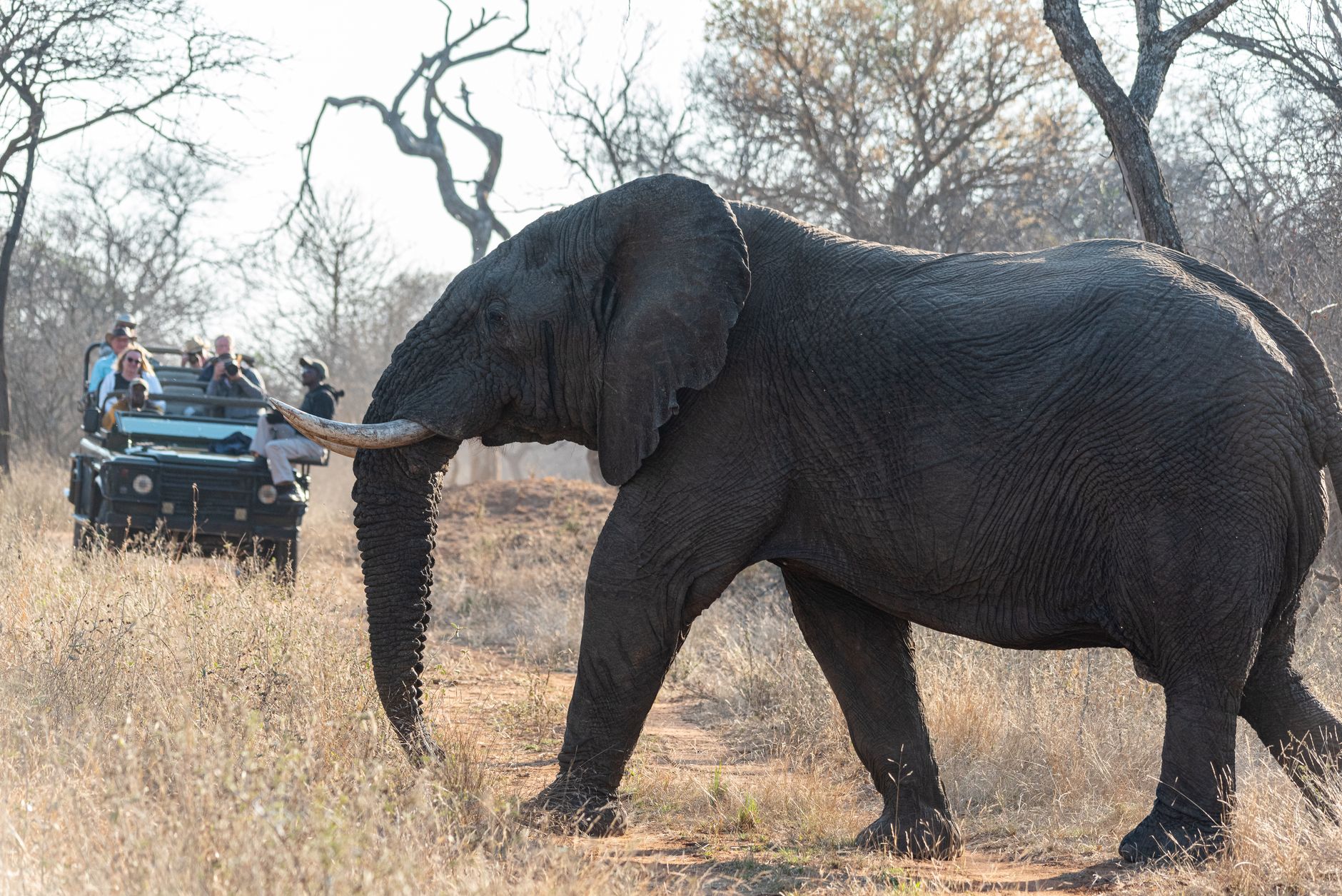
Many families hesitate about safari with children, assuming kids will be bored or the experience too demanding. In reality, kids often bring an infectious energy to safari that enriches everyone’s experience. The key is managing expectations and choosing the right age range for your family.
Children under five can struggle with the physical demands and early hours. Five to twelve is typically ideal, as kids are old enough to sit still and engage with the experience but young enough to find genuine wonder in animal encounters. Teenagers usually bring phones and might resist the experience initially, but once immersed in safari, most overcome resistance quickly. Safari en Afrique offers family-oriented expeditions designed with children’s needs in mind, including shorter drive days and flexible schedules that accommodate younger travelers.
Include your kids in the planning process. Get them books about African animals beforehand. Have them help identify animals during the safari itself. Make it an adventure they’re actively participating in, not something happening around them. Children who engage with safari as junior researchers and trackers remember the experience for decades.
Physical Preparation and Health Considerations
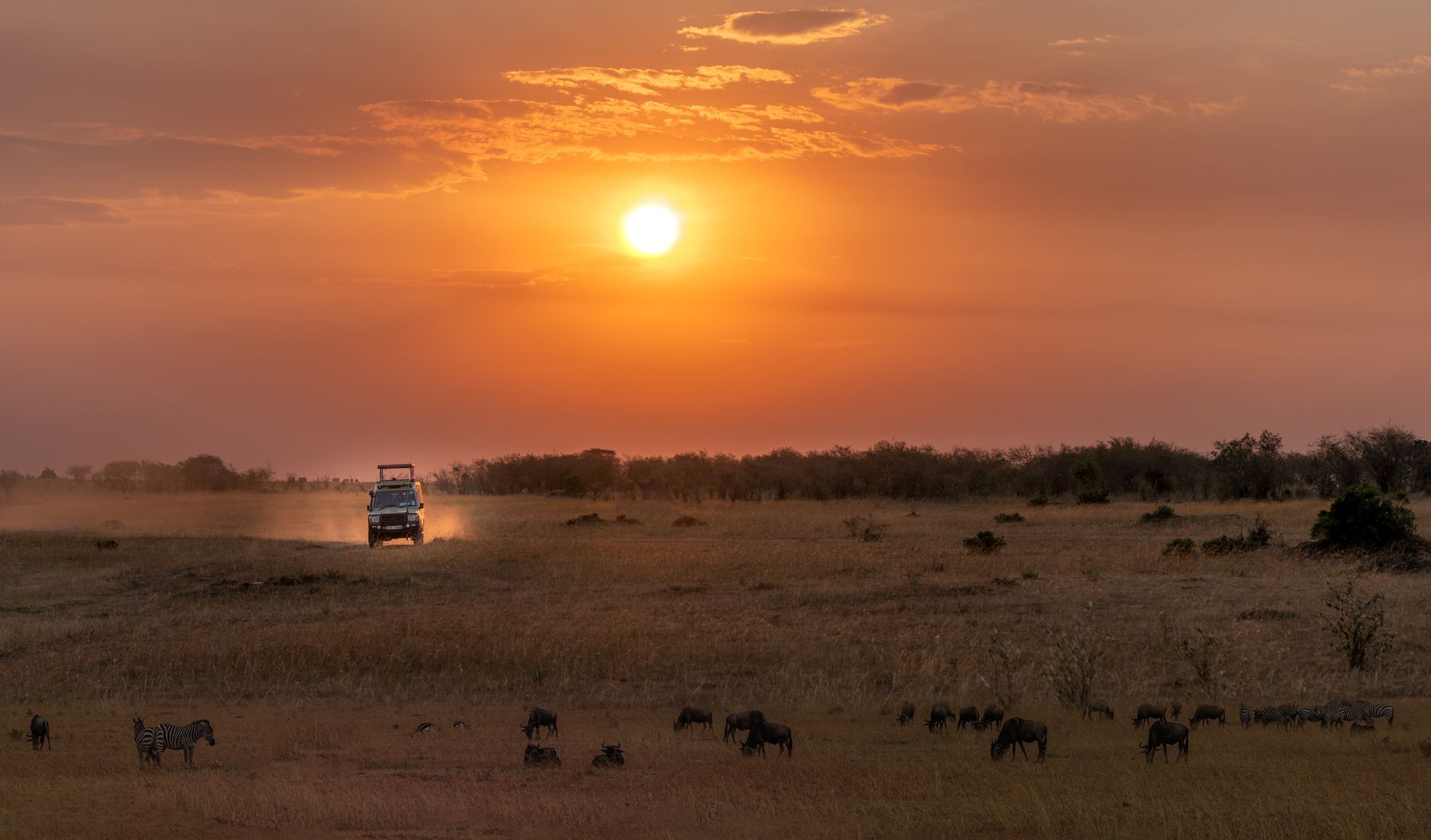
Safari isn’t a mountaineering expedition, but it’s not a resort either. You’ll spend 6-8 hours daily in an open vehicle traveling over unpaved roads. You’ll wake up before sunrise. You’ll be exposed to sun, wind, and dust. Physical preparation matters. If you’ve been sedentary, start walking regularly several months before your trip. Build your core strength, as the bumpy vehicle ride strains your back.
Health considerations include malaria prevention, vaccinations, and altitude. Most safari regions sit at moderate altitude and have malaria presence. Consult your doctor about antimalarial medication. Yellow fever vaccination is sometimes required for entry. Altitude doesn’t typically cause issues in most safari regions, but Ethiopia and some parts of Kenya sit high enough that acclimatization matters. Drink water relentlessly. The combination of sun, dry air, and altitude dehydrates you faster than you realize.
The Practical Steps: Booking, Budgeting, and Packing
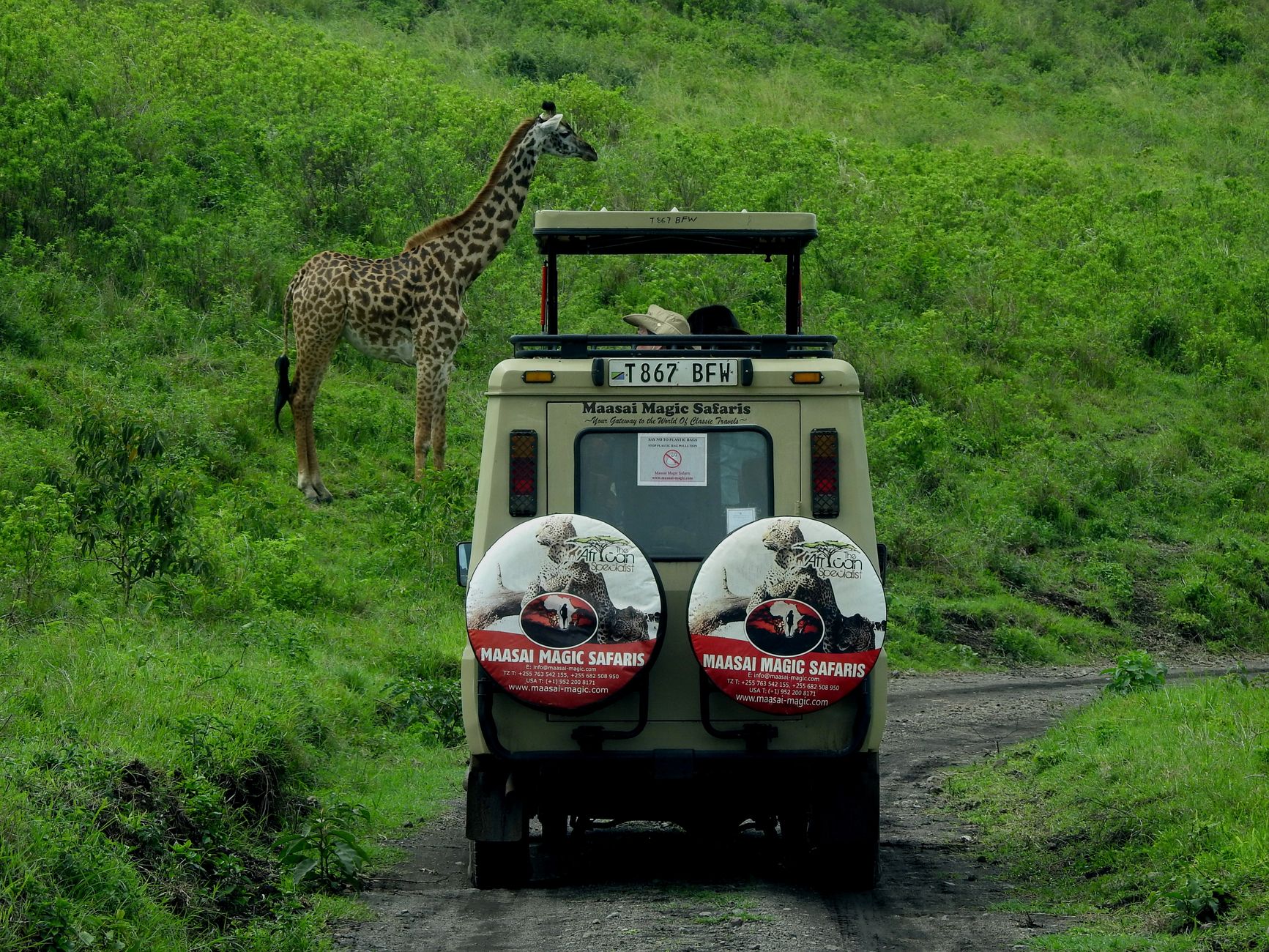
Once you’ve chosen your destination and season, booking becomes straightforward. Research operators carefully. Read reviews on multiple platforms. Contact several companies directly, including Safari en Afrique, which provides detailed information about their specific itineraries and what’s included in pricing. Budget typically starts around $250 per day per person for basic safari experiences and escalates to $500-1000 per day for premium experiences with exclusive camps and specialized guides.
Packing requires balancing practicality with comfort. You need neutral-colored clothing for wildlife viewing. Bring layers because mornings and evenings are cool while midday is hot. Invest in quality binoculars and a camera with a decent zoom lens. Bug spray and high-SPF sunscreen are non-negotiable. Most importantly, leave your expectations flexible. Safari schedules adjust based on weather and animal sightings. Accept the itinerary changes without frustration, and you’ll enjoy the experience far more.
Starting a safari journey feels overwhelming initially because it’s genuinely different from standard tourism. But once you’ve booked your flights, received your malaria prescription, and packed your neutral-colored clothes, the practical details fall into place quickly. The experience itself, seeing wild elephants walk toward you across an endless plain or witnessing a leopard’s silent hunt, requires no special preparation. Your guide, your chosen destination, and your willingness to be present in the moment are all the preparation you truly need. Safari en Afrique handles the rest, transforming your practical planning into the adventure of a lifetime.

Sienna is the creative visionary behind Posh Journey Style. With a background in fashion and a passion for global exploration, she curates the perfect blend of luxury travel, cutting-edge technology, and timeless beauty. Sienna believes that true style is found in the details, inspiring readers to elevate their daily lives with elegance and innovation.