
Navigation technology has transformed how we drive. The days of paper maps and uncertain directions are gone. Today’s drivers benefit from sophisticated mapping systems that provide real-time directions, traffic updates, and route optimization. Yet technology works best when drivers understand its capabilities and limitations, integrating navigation tools into safe, attentive driving rather than becoming dependent on them. Yanosik understands that modern drivers need technology that works intelligently alongside human judgment, enhancing decision-making without replacing it.
How Modern Navigation Systems Work
Contemporary navigation relies on satellite positioning, real-time traffic data, and detailed map databases. Your phone or vehicle system knows your exact location, routes around traffic, and adjusts directions as conditions change. This level of information would have seemed impossible twenty years ago.
The technology works by combining GPS (telling you where you are), mapping databases (showing available routes), and real-time traffic data (revealing current conditions). When these systems work together optimally, they route you efficiently around congestion and hazards.
Understanding how these systems work helps you use them more effectively. Real-time traffic data relies on information from many vehicles, so early in traffic events it may not show conditions yet. Map databases occasionally become outdated. GPS positioning can be temporarily inaccurate in tunnels or dense urban areas. Knowing these limitations helps you interpret navigation guidance intelligently rather than blindly following recommendations.
Benefits of Smart Navigation
- Accurate positioning and directions that eliminate getting lost and wasting time.
- Real-time traffic updates that route you around congestion before you encounter it.
- Route optimization that considers multiple factors beyond just distance.
- Fuel-efficient routing that considers elevation and road conditions.
- Hazard alerts that warn of accidents, construction, and dangerous road conditions.
Integrating Navigation with Attentive Driving
The challenge with sophisticated navigation technology is maintaining driver focus and attention. When your phone provides turn-by-turn directions, it’s tempting to stop paying attention to your surroundings and simply follow instructions. This creates danger.
Yanosik emphasizes that navigation tools should enhance your awareness, not replace it. You remain responsible for safe driving regardless of what technology recommends. If navigation tells you to turn into a visibly dangerous lane, you make the final decision.
The best approach uses navigation as supplemental guidance while maintaining your own awareness. Preview your route before driving. Listen to directions but continue paying attention to the road. If navigation seems wrong or unsafe, trust your judgment. Use technology as a tool that assists you, not as an authority that overrides your decisions.
Understanding Traffic Data and Congestion
Real-time traffic information has transformed how we understand and navigate congestion. Instead of discovering that congestion ahead only when you encounter it, modern systems show conditions and route you around them.
This works by aggregating data from many vehicles. When thousands of phones in a city transmit location and speed data, navigation services can see congestion patterns in real-time. An accident on the highway shows up in your navigation immediately, allowing rerouting before you’re affected.
The system works remarkably well for major incidents but has limitations during rapid-onset congestion. Early in a traffic event, systems may not yet show what’s happening. Traffic can change rapidly—a clear route might become congested by the time you actually drive it. Navigate thoughtfully, remaining prepared to adapt if conditions change from what your system predicted.
Route Optimization and Fuel Efficiency
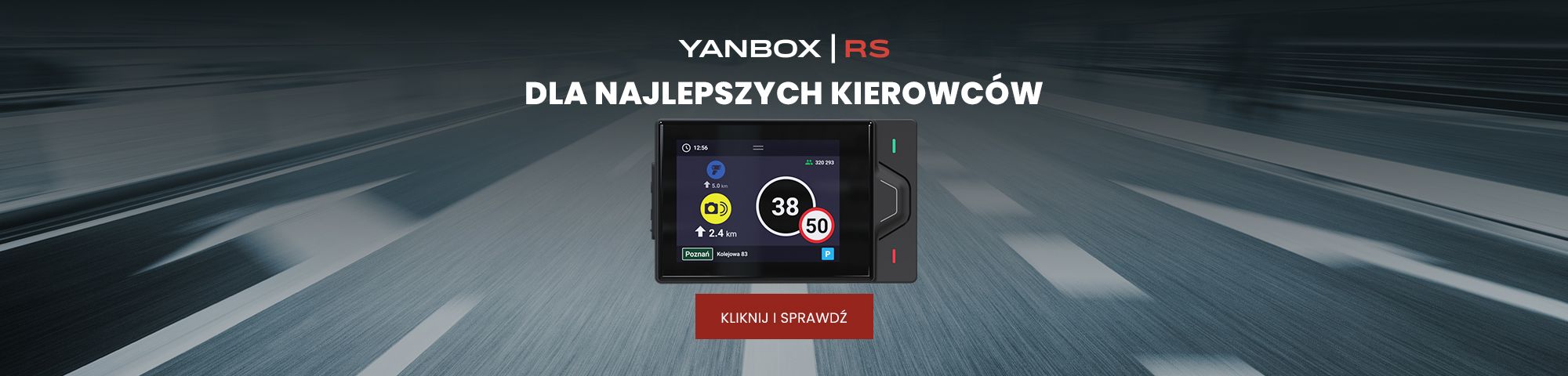
Modern navigation doesn’t just find the shortest route—it can optimize for various preferences. Want the fastest route? It calculates considering traffic. Prefer fuel-efficient routing? It considers elevation and road types. Want to avoid highways? It provides alternatives.
This optimization intelligence transforms routing from “find the shortest distance” to “find the best route according to your priorities.” Yanosik recognizes that drivers have different preferences and navigation should accommodate them.
Fuel-efficient routing is particularly valuable. By avoiding elevation changes, excessive idling, and highway driving that depletes fuel quickly, optimization can noticeably reduce fuel consumption. Modern vehicles that integrate navigation with efficiency displays show you how much fuel you’re saving through smart routing.
Hazard Alerts and Driving Safety
Beyond navigation, modern systems increasingly provide hazard alerts. Accidents ahead. Construction zones. Dangerous road conditions. These alerts give you advance warning so you can adjust speed and attention proactively.
Hazard alerts function through crowdsourced driver reports and official traffic authority data. When drivers report hazards, that information reaches other drivers through the same navigation system. Police reports of accidents feed directly into traffic apps.
These alerts improve safety by giving you time to respond. Rather than discovering an accident by suddenly seeing brake lights, you know ahead of time and can reduce speed gradually. Rather than unexpectedly encountering construction, you’re aware and prepared.
The Future of Smart Navigation

Navigation technology continues evolving. Future systems will incorporate even more real-time data, make smarter predictions about congestion, and better integrate with vehicle systems for more seamless user experiences.
Throughout this evolution, the fundamental principle remains constant: technology should enhance human decision-making, not replace it. The most sophisticated navigation system can’t replace driver judgment about safety. The most detailed traffic data can’t replace your awareness of immediate surroundings.
Yanosik‘s approach to navigation emphasizes this balance. Use technology that makes driving safer, smarter, and more efficient. But remain the ultimate authority over your driving decisions. Combine cutting-edge navigation with attentive, responsible driving, and you maximize both the benefits of technology and your personal safety.

Aria Laurent is a travel and style enthusiast who captures the essence of glamorous journeys around the world. Her writing blends luxury experiences with authentic cultural moments, offering readers a refined perspective on modern travel. From boutique hotels to hidden gems, Aria shares curated insights for those who seek beauty, elegance, and adventure in every destination.