
Modern home design represents more than aesthetic preferences—it reflects how we live, what we value, and the environments that support our evolving lifestyles. Contemporary design trends balance functionality with beauty, creating spaces that adapt to flexible work arrangements, family gathering needs, and personal wellness priorities. Understanding current design directions empowers homeowners to make intentional choices that feel relevant today while maintaining timeless appeal that won’t feel dated in five years.
Biophilic Design and Natural Elements
Humans possess innate connections to nature, making biophilic design—environments incorporating natural elements—increasingly central to modern interiors. Live In Up designs embrace abundant natural light, living walls, natural materials, and views of greenery that reduce stress and enhance wellbeing. These aren’t luxury additions but essential elements supporting mental health and life satisfaction.
Incorporating greenery through houseplants, vertical gardens, or natural wood elements creates visual interest while improving air quality. Natural stone, wood flooring, and organic textures ground spaces in authenticity rather than artificial perfection. This approach recognizes that homes serve human wellbeing first, aesthetics second—a philosophy that yields spaces people genuinely enjoy inhabiting rather than spaces that merely photograph well.
Open Floor Plans with Defined Zones
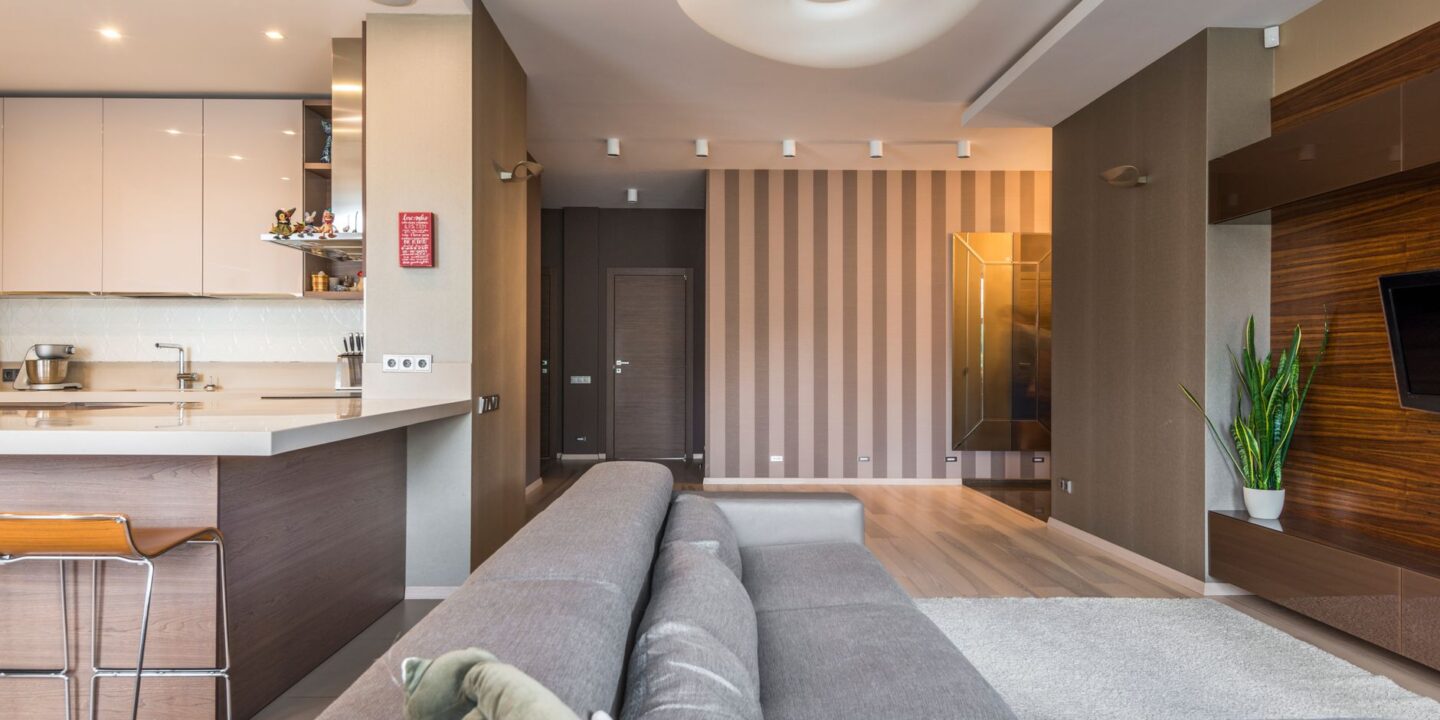
Modern living requires flexibility that rigid room divisions cannot provide. Open floor plans enable family connection while cooking, professional work from home offices integrated into living spaces, and entertaining flows that feel sophisticated rather than cramped. However, pure openness without definition creates spaces that lack intimacy and acoustic control.
Contemporary design solves this through strategic zoning without walls. Live In Up creates distinct spaces within open layouts using flooring changes, lighting variations, furniture groupings, and subtle level changes. This approach maintains visual flow while providing psychological separation between cooking, dining, working, and relaxing zones. Half-walls, sliding barn doors, and partial room dividers offer flexibility—you can integrate spaces for entertaining or separate them when you need focused work without interruption.
Sustainable and Responsible Material Choices
Modern homeowners increasingly prioritize environmental impact in design decisions. Sustainable materials that minimize extraction, processing, and transportation have become mainstream rather than niche concerns. Reclaimed wood, recycled metal, low-VOC finishes, and responsibly harvested materials create beautiful spaces aligned with environmental values.
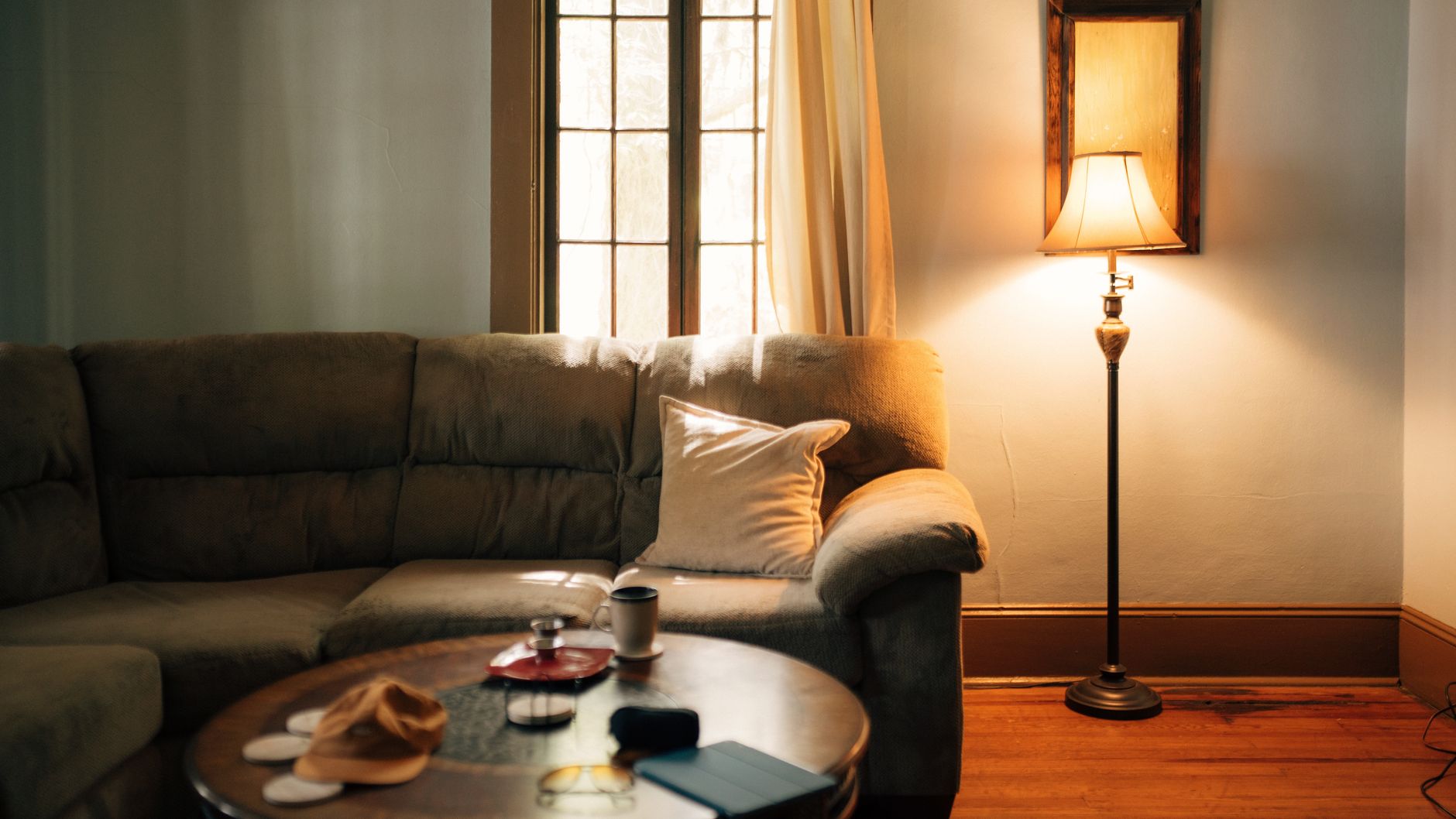
Durability factors into sustainability calculations. A high-quality sofa lasting fifteen years proves more sustainable than cheap replacements every three years, despite higher upfront costs. Live In Up designs incorporate longevity thinking, selecting materials and styles that withstand both time and style evolution. This approach yields homes that improve with age rather than declining into dated disrepair.
Warm Minimalism and Intentional Spaces
Stark minimalism has evolved into warmer, more livable interpretations that maintain clean lines and uncluttered surfaces while incorporating warmth and personality. Neutral color palettes serve as foundations supporting layered textures, meaningful artwork, and carefully curated objects that tell personal stories. This differs fundamentally from cold, sterile minimalism that feels institutional rather than homey.
Intentionality replaces automatic accumulation—each piece serves a purpose, generates joy, or holds genuine meaning. Thoughtfully placed artwork, meaningful family photographs, and objects collected through meaningful experiences create spaces that feel inhabited by actual humans rather than lifestyle magazine sets. This approach requires editing ruthlessly but then designing generously around remaining items.
Multi-Functional Furniture and Flexible Layouts
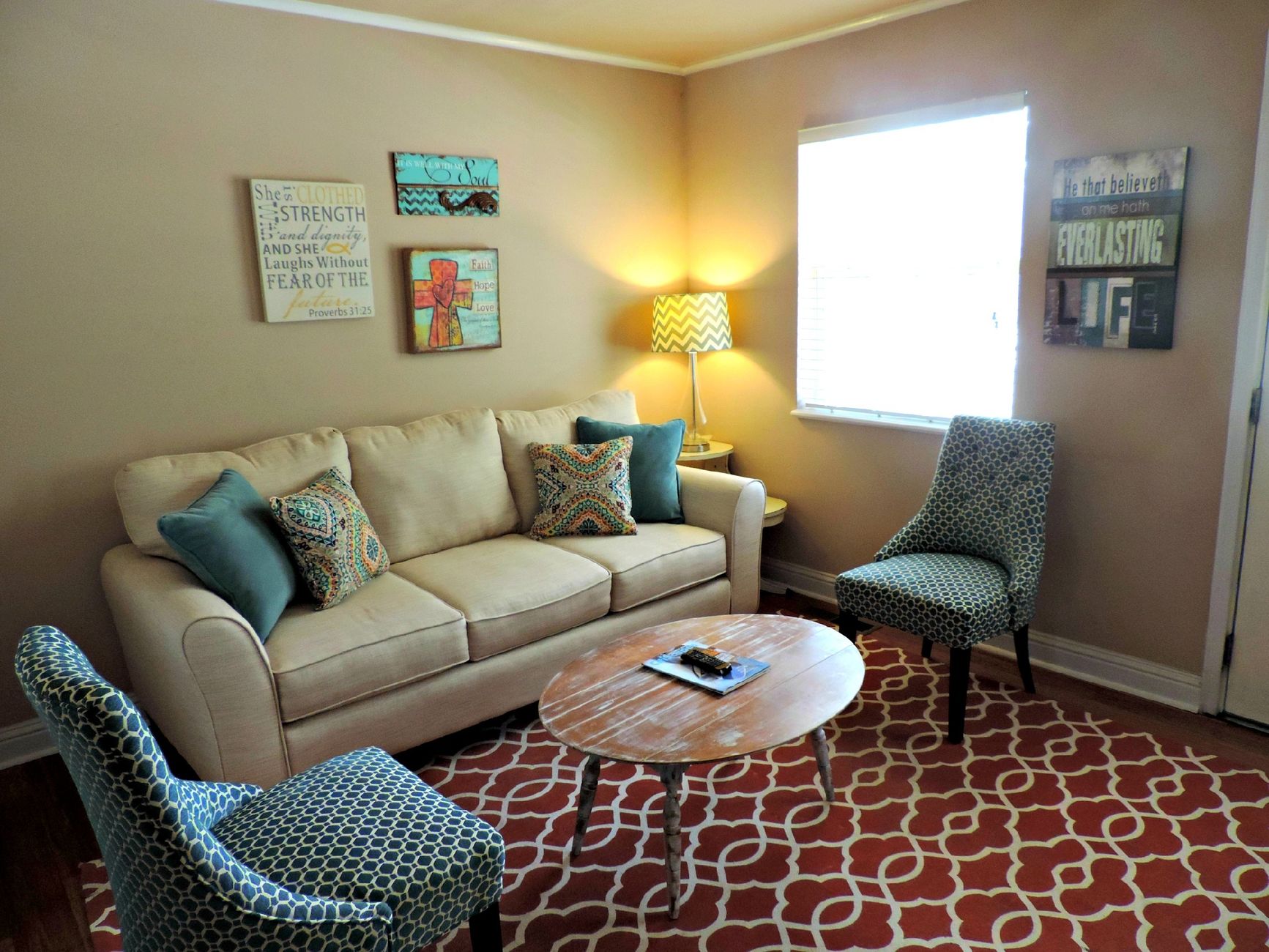
Modern homes demand furniture that adapts to changing needs. Islands providing kitchen function, entertaining surface, and casual seating eliminate separate furniture requirements while creating central gathering points. Live In Up designs incorporate ottomans providing seating, storage, and coffee table functionality. Nesting tables adapt to hosting large groups or retracting to maintain openness on regular days.
Wall-mounted desks, murphy beds, and modular seating enable professional spaces to transform into guest rooms without permanent room dedication. This flexibility proves invaluable for homes where space serves multiple functions and residents have diverse needs. Investing in multipurpose pieces yields more functional homes without requiring sprawling square footage.
Advanced Lighting Design
Modern lighting transcends basic illumination, becoming a design element supporting mood, functionality, and energy efficiency. Layered lighting—ambient, task, and accent—enables flexible spaces adapting to different activities and times. Dimmer controls allow adjustment from bright task lighting for cooking or focused work to soft, warm ambiance for evening relaxation.
Smart lighting technology enables personalization and energy optimization without visible controls disrupting aesthetic appeal. Statement lighting fixtures become focal points celebrating design rather than disappearing into ceilings. Live In Up incorporates lighting that enhances space functionality while creating visual interest and supporting circadian rhythms through color temperature adjustment.
Color and Texture Layering
While neutral color palettes dominate modern design foundations, contemporary interiors incorporate color and texture with intention and sophistication. Jewel tones, earth tones, and muted accent colors replace the neutral-only approach of earlier minimalism. Layering varied textures—smooth concrete, warm wood, soft textiles, matte ceramics, and reflective metals—creates visual richness within restrained color schemes.
Accent walls, painted doors, and colored cabinetry introduce personality without overwhelming spaces. This approach enables expression while maintaining design coherence that feels intentional rather than random. Texture variety through mixed materials provides visual and tactile interest that prevents spaces from feeling flat or sterile despite minimalist sensibilities.
Wellness and Comfort Priorities
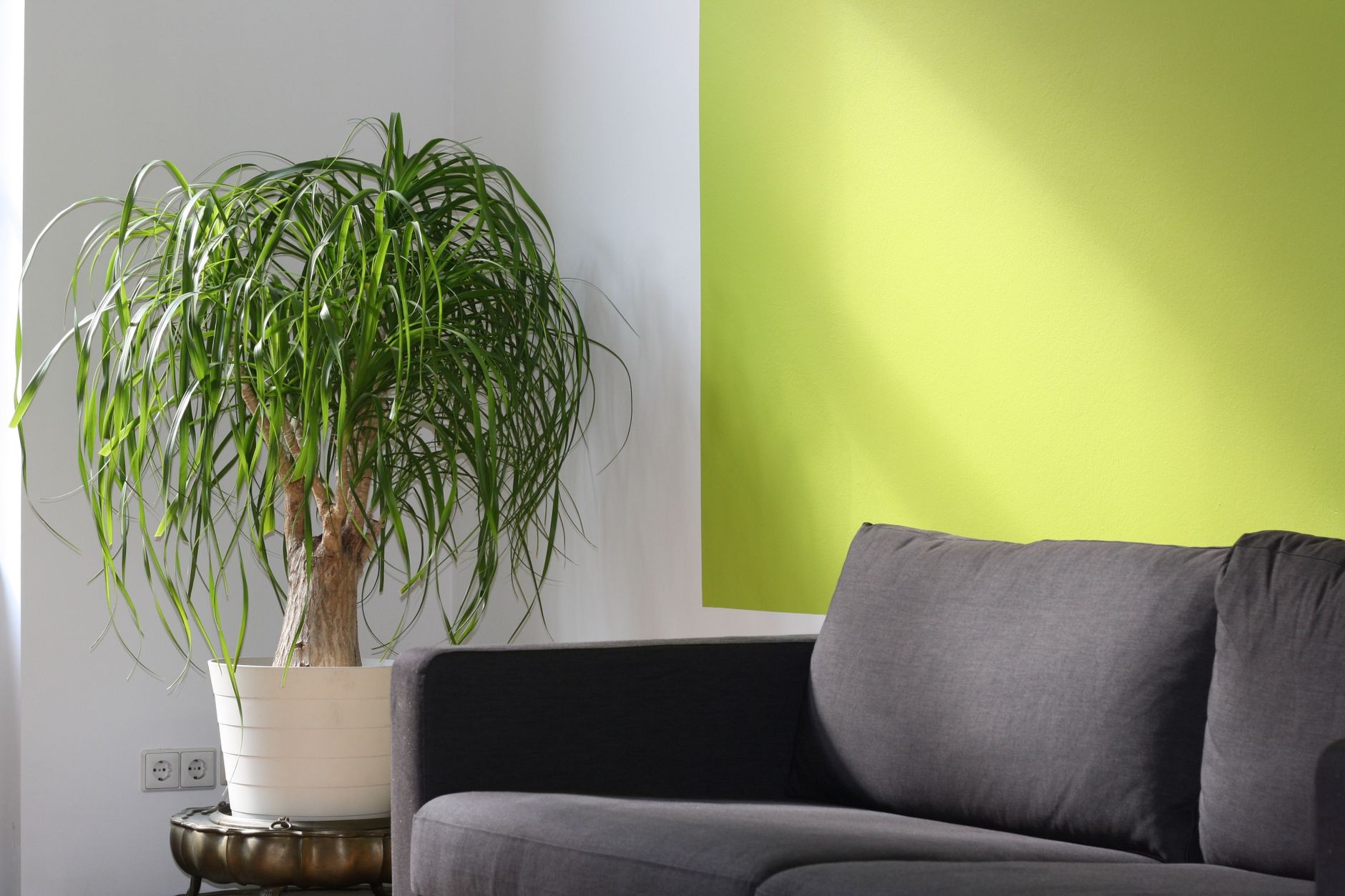
Modern design increasingly centers on physical and mental wellbeing. Ergonomic furniture supports health during extended sitting. Natural light exposure supports circadian rhythms and mood regulation. Acoustic design prevents noise stress while enabling privacy. Air quality improvements through natural ventilation and non-toxic materials support respiratory health and overall vitality.
Creating homes that actively support wellbeing rather than merely looking attractive represents a philosophical shift in modern design. This perspective yields spaces where residents feel better, sleep more deeply, focus more effectively, and enjoy genuinely improved quality of life.