
Remote work has fundamentally transformed how we approach productivity, and the right laptop can make all the difference in your daily workflow. Whether you’re juggling multiple projects from a coffee shop or building your home office empire, choosing a device that matches your work style requires more than just checking specifications. This guide explores what truly matters when selecting a laptop that enhances your productivity rather than hindering it.
Understanding Your Workflow Demands
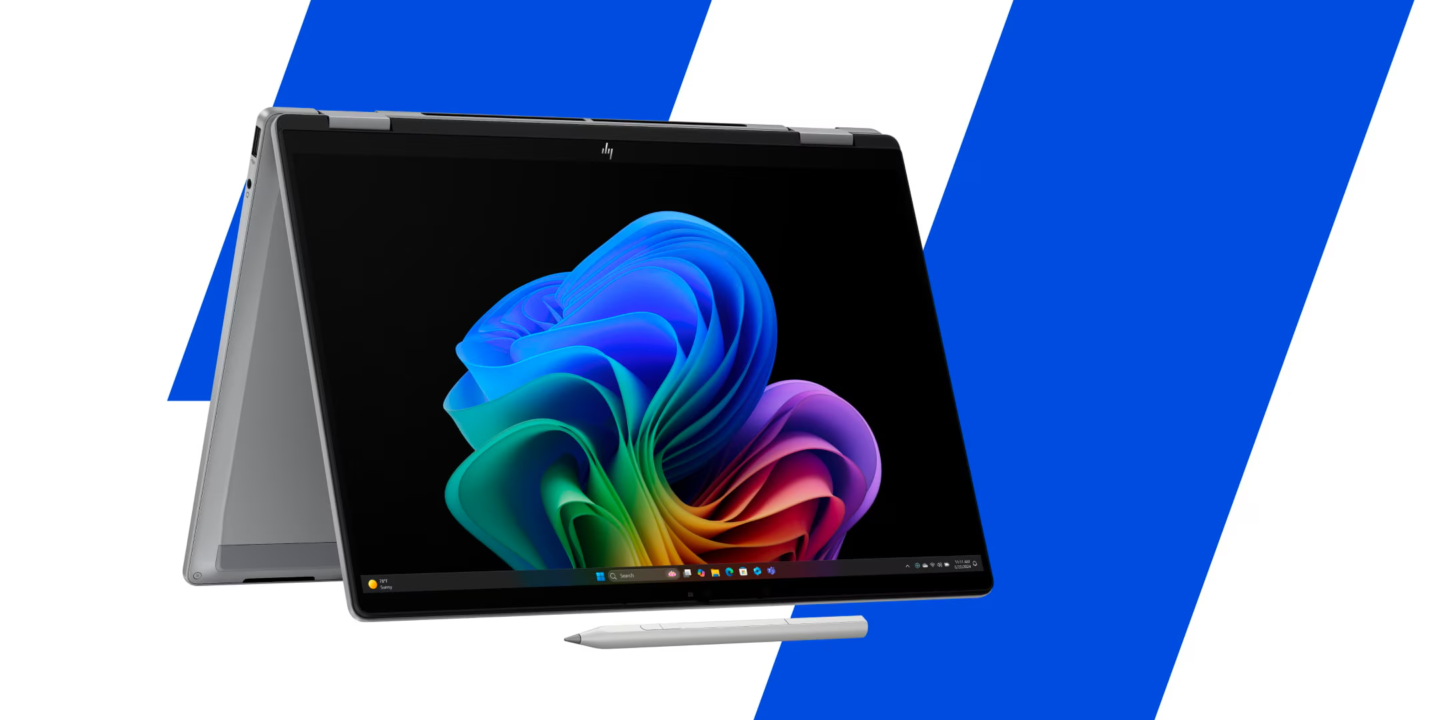
Before diving into hardware specifications, take a moment to honestly assess your daily tasks. Are you primarily working with documents and spreadsheets, or do you handle resource-intensive applications like video editing or 3D design? HP offers diverse laptop lines engineered for different professional needs, making it crucial to match your device to your actual workload.
Consider the applications you rely on most. Creative professionals running Adobe Creative Suite, software developers working with IDEs, and data analysts processing large datasets all have different processor and RAM requirements. Your email and web browsing needs differ drastically from someone rendering video files, so your laptop investment should reflect these realities. Understanding these distinctions prevents overpaying for capabilities you’ll never use or underspending on genuine performance limitations that frustrate your work.
Processing Power and Memory Considerations
The processor is your laptop’s engine, and choosing the right one prevents frustrating slowdowns during critical work hours. Modern multi-core processors excel at handling simultaneous tasks, which is invaluable for professionals juggling multiple projects. HP laptops feature latest-generation processors that deliver responsive performance for demanding workflows.
RAM determines how smoothly your machine handles multitasking. If you frequently have multiple browser tabs open alongside design software or development tools, 16GB has become the practical baseline for professional work. Many remote workers find that 32GB eliminates performance bottlenecks entirely, enabling seamless context-switching between intensive applications. This capability proves invaluable during those critical moments when multiple projects demand simultaneous attention and switching costs would ordinarily slow progress.
Display Quality and Eye Comfort
You’re staring at your screen for eight or more hours daily, making display quality a non-negotiable investment in your health and productivity. A high-resolution, color-accurate display reduces eye strain and enables more precise work, particularly if you’re handling visual content. HP designs laptops with displays engineered for extended viewing comfort, featuring matte finishes that reduce glare in various lighting conditions.
Panel technology matters too. IPS panels offer superior viewing angles compared to TN panels, which is essential when video conferencing or sharing your screen with colleagues. A 1440p or 2560×1600 resolution provides ample screen real estate for productivity tools, reducing the constant window-switching that drains energy throughout your day. Refresh rates matter for smoothness during scrolling and fast-paced applications, contributing to overall user experience quality that impacts daily satisfaction with your equipment.
Battery Life and Portability
Remote work flexibility means you might work from your desk today and a client’s office tomorrow. A laptop that offers 10-12 hours of genuine battery life eliminates the anxiety of hunting for power outlets during crucial work moments. HP laptops balance weight and power delivery, ensuring you’re not sacrificing performance for portability.
Weight matters more than you’d expect. A one-pound difference between devices translates to different comfort levels when traveling between locations or working in various spaces. Professionals who move frequently benefit enormously from devices under 3.5 pounds without compromising on processing capability or screen size. Consider whether you’ll carry your laptop in a traditional bag or backpack, as weight distribution and handle quality impact daily comfort significantly.
Connectivity and Expandability
Modern work requires reliable connections to external devices, displays, and networks. Multiple USB-C ports support faster data transfer and simultaneous charging while powering external displays. Thunderbolt 3 or 4 connectivity future-proofs your investment by enabling high-speed peripheral connections that won’t become obsolete in two years.
Consider your typical setup. Do you dock your laptop at a desk with monitors and external keyboard? A docking-friendly design with comprehensive ports reduces cable clutter and setup friction. Headphone jacks, SD card readers, and traditional USB ports accommodate older peripherals you might not want to replace immediately, making HP devices practical choices for professional environments where compatibility matters. Wireless connectivity standards like Wi-Fi 6 ensure speedy connections to modern networks, supporting seamless video conferencing and rapid file transfers.
Keyboard and Input Experience
Remote workers spend disproportionate time typing, making keyboard quality deeply personal yet often overlooked. A responsive keyboard with adequate key travel reduces fatigue during long writing or coding sessions. Testing the keyboard before purchase is essential, as this component dramatically affects your daily experience more than any specification sheet suggests.
The touchpad quality similarly impacts productivity when you’re not using an external mouse. Precise tracking, reliable gesture recognition, and a pleasant click feel transform navigation from frustrating to seamless. Many professionals working from different locations appreciate laptops with excellent trackpads since they might not always have access to external mice. Key durability and resistance to liquid spills provide practical reliability that protects your investment from everyday accidents.
Making Your Final Decision
The perfect remote work laptop balances power, portability, and design philosophy that aligns with your professional values. Your investment should reflect your actual needs rather than aspirational use cases, ensuring you’re not overpaying for capabilities you’ll never utilize. Test different models if possible, prioritizing the elements you’ll interact with daily—display, keyboard, and trackpad—over abstract benchmark numbers that may never impact your actual work.
Your laptop becomes a daily companion throughout your professional life, so choosing wisely pays dividends through years of reliable, satisfying work.

Aria Laurent is a travel and style enthusiast who captures the essence of glamorous journeys around the world. Her writing blends luxury experiences with authentic cultural moments, offering readers a refined perspective on modern travel. From boutique hotels to hidden gems, Aria shares curated insights for those who seek beauty, elegance, and adventure in every destination.