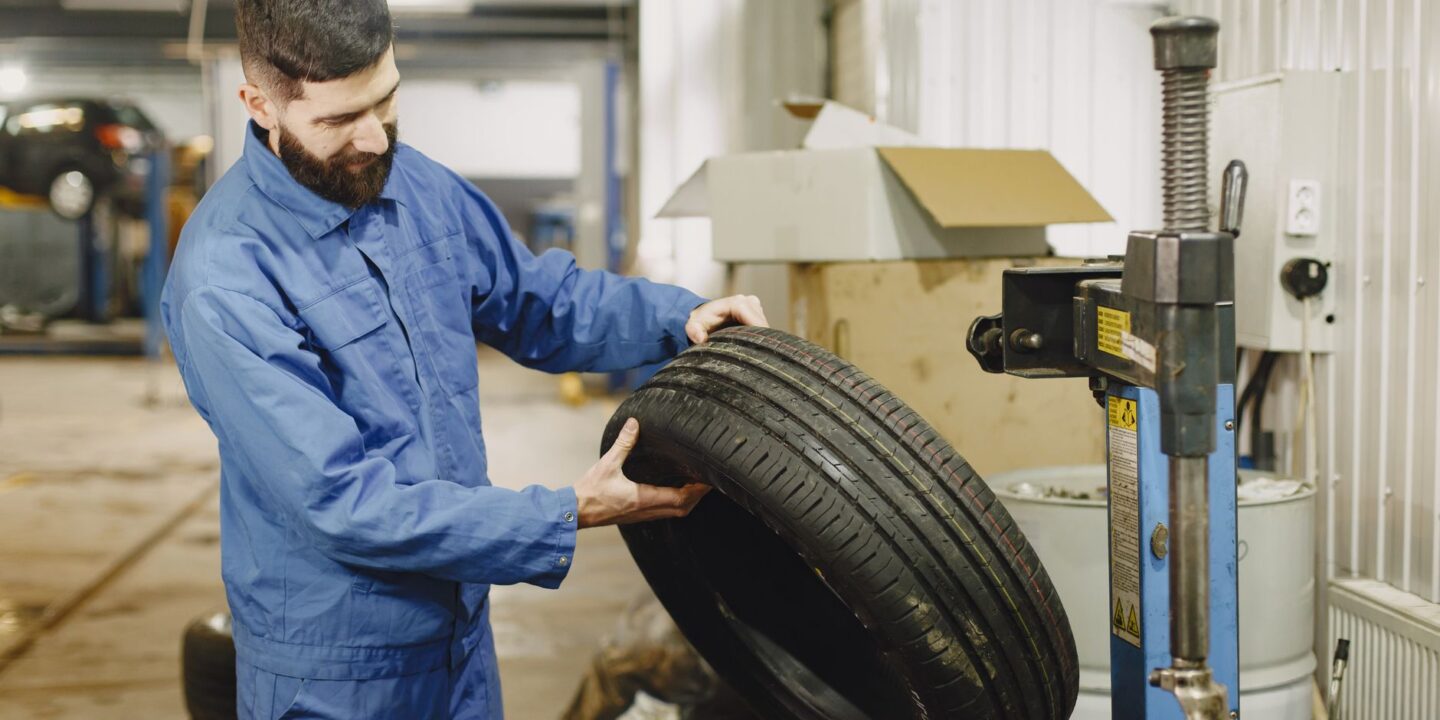

Your car’s tires are the only thing touching the road, yet many drivers treat tire selection like choosing a cereal box, it’s always the same and they never think twice. But here’s the reality: the right tires can transform your driving experience, sharpening handling, improving fuel efficiency and keeping your family safer on every journey. Getting this decision right matters more than most people realize.
Tires are not created equal. Two vehicles that look identical can have completely different tire requirements based on climate, driving habits and manufacturer specifications. This is where Reifendirekt becomes invaluable. Understanding what makes a tire right for your specific vehicle is the first step toward smarter, safer driving.
Understanding Tire Specifications and Size Codes
Walk into any tire shop and you’ll see numbers printed on sidewalls that look like ancient hieroglyphics. That cryptic code actually tells you everything you need to know. The typical format looks like 205/55R16, and each number serves a purpose.
The first number, 205, represents the tire width in millimeters. The second number, 55, is the aspect ratio, meaning the sidewall height is 55 percent of the width. The letter R indicates radial construction, which is standard on modern tires. Finally, 16 is the wheel diameter in inches. You’ll also see speed ratings and load indices, but here’s the thing: your vehicle’s manual specifies exact tire requirements for a reason. Deviating from these specifications can compromise safety and handling.
When you’re shopping at Reifendirekt, you’ll see all these specifications clearly listed. The key is matching these numbers precisely to what your manufacturer recommends. Don’t assume that bigger or fancier means better. Your car was engineered around specific tire dimensions, and swapping to something different is like wearing shoes three sizes too large, it just doesn’t work properly.
Performance Tires vs. All-Season vs. Winter Tires
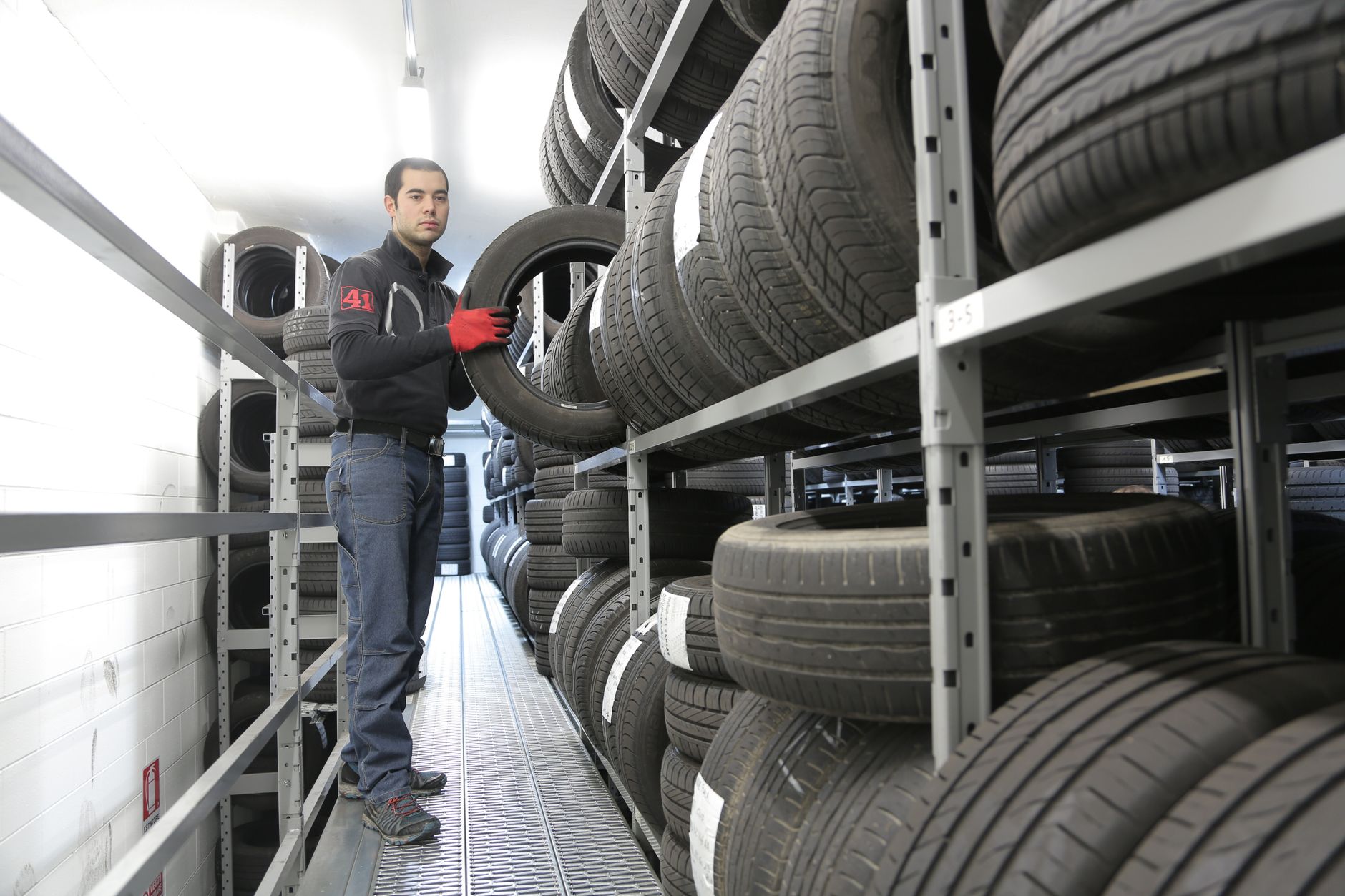
The tire market offers three main categories, each designed for different driving conditions and priorities. Performance tires are engineered for sports cars and drivers who value responsive handling and grip through curves. They feature stiffer sidewalls and specialized rubber compounds that harden in cold weather, making them dangerous below 45 degrees Fahrenheit.
All-season tires represent the middle ground. They handle most conditions adequately without being exceptional at anything. Most people drive all-season tires because they’re cost-effective and convenient. They provide reasonable traction in light snow, acceptable performance on dry roads and decent fuel economy.
Winter tires, however, are specialists. Their rubber compounds remain pliable in sub-freezing temperatures, giving them dramatically superior grip on snow and ice compared to all-season tires. The difference isn’t subtle. In snow braking tests, winter tires stop vehicles 25 to 40 percent shorter than all-season tires at the same speed. That’s not an incremental improvement, it’s the difference between stopping safely and ending up in a ditch.
The choice between these three categories depends on your climate and driving patterns. If you live in a region that sees winter weather, Reifendirekt specialists recommend having winter tires ready for the cold months. It’s not a luxury, it’s an investment in safety.
How Quality Affects Longevity and Safety
Budget tires might save you money at the checkout counter, but they often cost you far more over time. Premium tire manufacturers invest in advanced rubber compounds and sophisticated tread designs that resist wear better than budget alternatives. A high-quality tire might last 40,000 to 80,000 miles, while a budget tire might give you only 20,000 to 40,000 miles.
The math is actually straightforward. If a premium tire costs 30 percent more but lasts twice as long, you’re actually spending less per mile. Beyond the economics, quality tires maintain their grip characteristics throughout their lifespan. Budget tires often develop uneven wear patterns and lose traction as they age, making them genuinely dangerous in emergency situations.
Safety testing reveals other quality differences. Premium tires maintain better wet braking performance, produce less road noise and stay cooler during extended highway driving. The heat generation difference might sound minor, but tires that run cooler last longer and fail less frequently. When shopping through Reifendirekt, comparing tires from reputable manufacturers protects your investment and your safety simultaneously.
Matching Tires to Your Driving Style
Your driving habits should influence your tire selection as much as manufacturer specifications. Someone who commutes 50 miles daily on highways has different tire needs than someone making short city trips with frequent acceleration and braking. Highway drivers benefit from tires with lower rolling resistance and excellent fuel economy. City drivers need tires with superior grip and responsive feel.
High-performance drivers pushing their vehicles near the limit require tires engineered for that intensity. Track drivers often use specialized summer performance tires that sacrifice longevity for grip and responsiveness. Families prioritizing safety and comfort want tires with good comfort ratings and predictable handling characteristics.
Consider also your vehicle’s weight and horsepower. A heavy SUV needs tires with sufficient load capacity and reinforced sidewalls. A lightweight sports car thrives on tires designed for cornering performance. Reifendirekt offers tools to filter by these characteristics, ensuring you find tires optimized for your specific vehicle and driving patterns.
Key Features Worth Considering
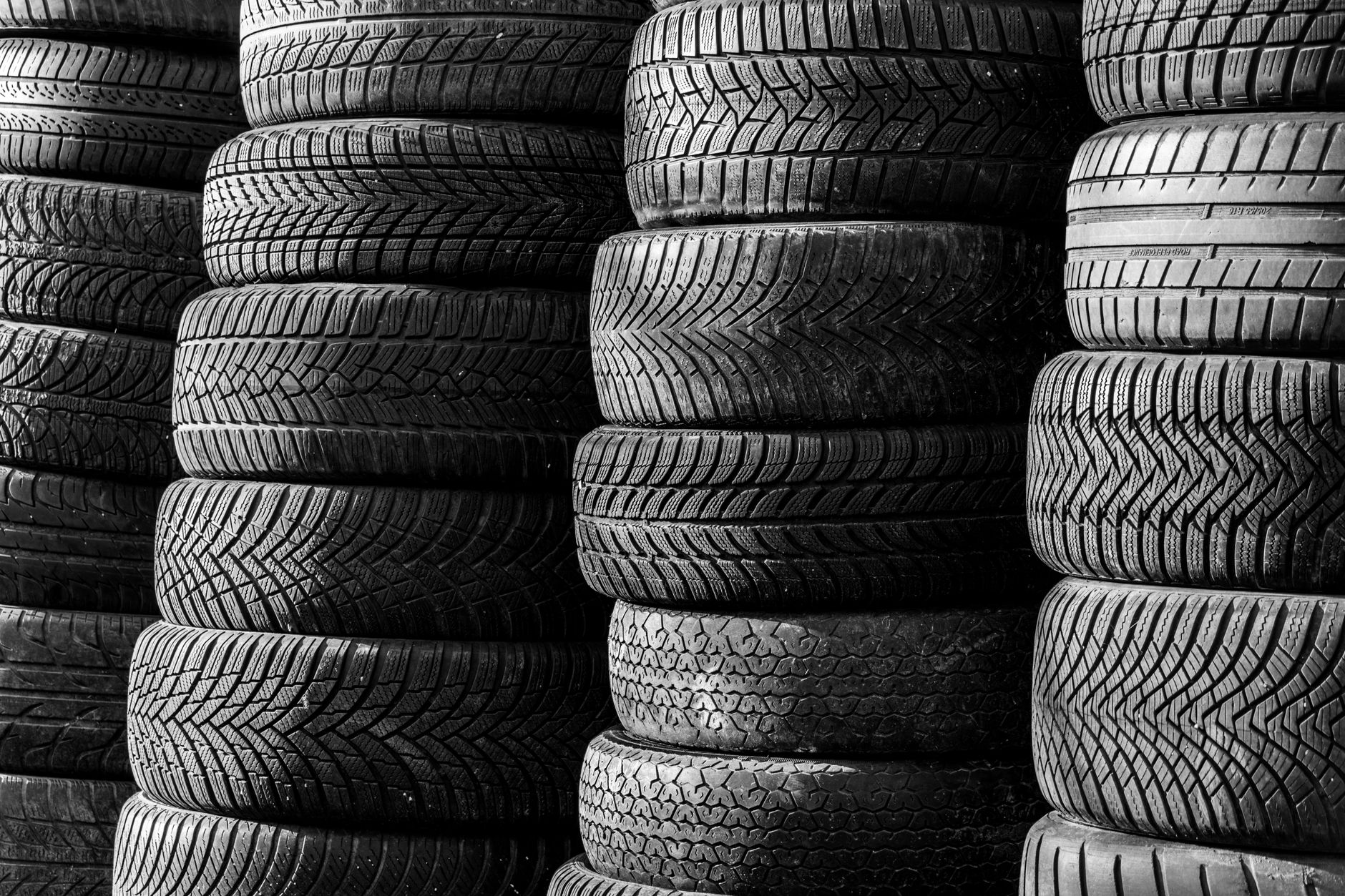
Modern tires come loaded with technology designed to improve specific performance aspects. Here are features that genuinely matter:
- Tread design affects water evacuation and snow traction, so look for patterns matched to your climate
- Sidewall stiffness influences handling feel and comfort, with stiffer sidewalls providing sportier responses
- Rubber compound temperature stability determines performance across weather conditions
- Tire construction layers affect durability and handling precision
One practical consideration: noise. Premium tires often feature noise-reduction technology that makes a genuine difference during highway driving. After spending hours inside your car, the quieter ride becomes noticeable and appreciated. Budget tires frequently produce more road noise that fatigues drivers on long trips.
Making Your Purchase Decision
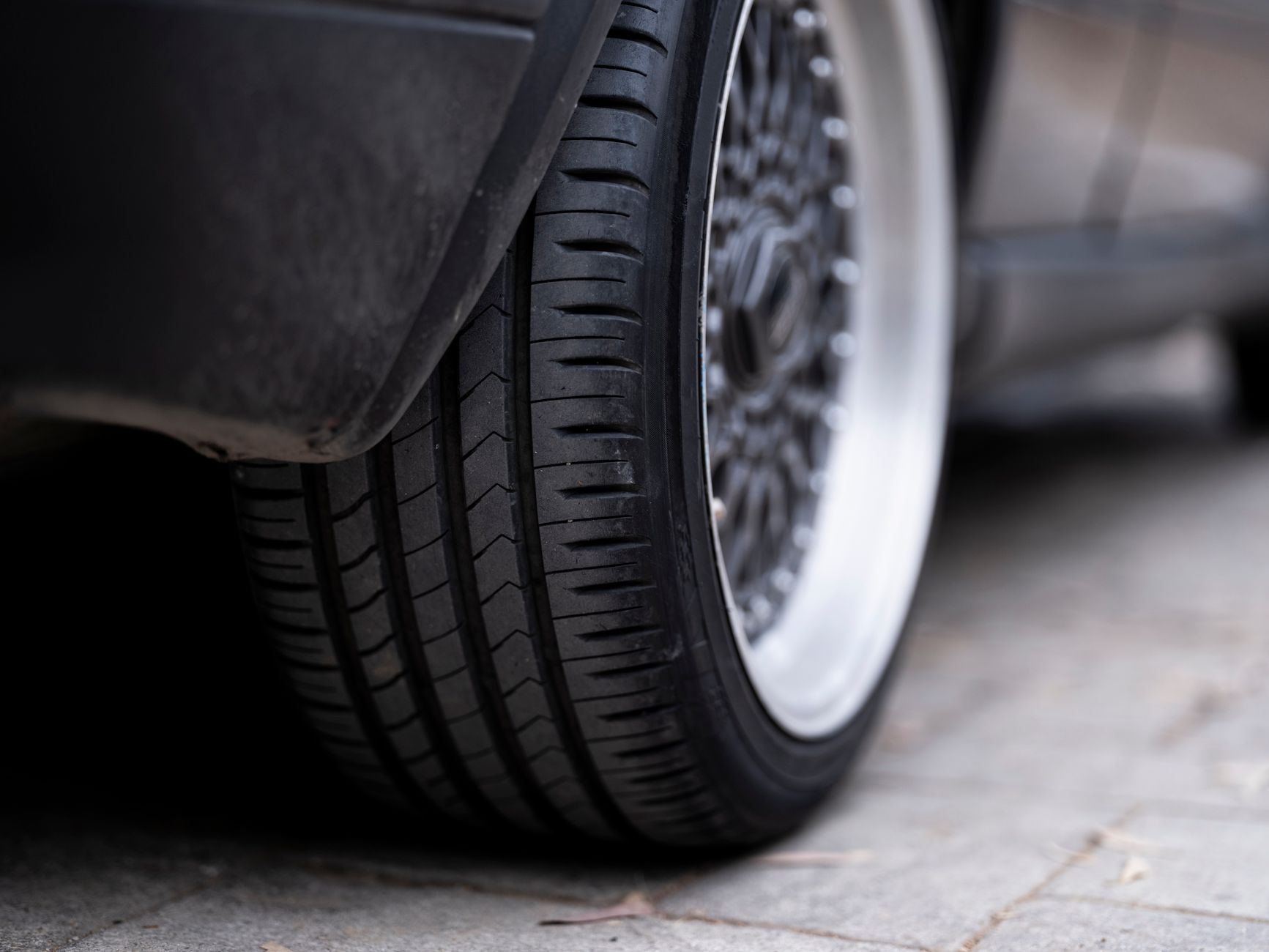
The final step in choosing the right tires involves balancing your priorities. You cannot maximize all variables simultaneously. The tires that provide the best winter traction usually don’t deliver the best fuel economy. The tires offering maximum comfort often sacrifice some handling responsiveness. The key is identifying which characteristics matter most for your specific situation, then selecting tires that excel in those areas.
When you’re ready to make your purchase, Reifendirekt makes the process straightforward. Their selection tools guide you through these decisions step by step, matching tires to your vehicle specifications, climate requirements and performance priorities. The right tire selection transforms your daily driving experience while keeping your vehicle performing at its best.
Your tires deserve more thought than you’ve probably been giving them.

Aria Laurent is a travel and style enthusiast who captures the essence of glamorous journeys around the world. Her writing blends luxury experiences with authentic cultural moments, offering readers a refined perspective on modern travel. From boutique hotels to hidden gems, Aria shares curated insights for those who seek beauty, elegance, and adventure in every destination.