

Hiking attracts millions of people each year seeking fitness, nature connection, stress relief, and adventure. Yet for beginners, the prospect of acquiring proper gear can feel overwhelming. Hiking requires more specialized equipment than many recreational activities, and poor gear choices directly impact safety, comfort, and enjoyment. Too many beginning hikers either invest heavily in expensive gear before understanding their preferences, or they rely on inadequate equipment that creates miserable experiences discouraging future hiking. MountainWarehouse understands beginner hikers need affordable access to functional, quality gear that won’t break the bank while still protecting them in wilderness conditions. By starting with proper foundational gear from MountainWarehouse, beginners establish themselves for successful, enjoyable hiking that might last a lifetime.
Understanding Hiking Boots and Footwear Fundamentals
Your feet are your most important hiking asset, making proper footwear essential from your first hike. MountainWarehouse hiking boots provide the ankle support and sole protection that street shoes cannot deliver. Good hiking boots provide ankle stability on uneven terrain, protect your feet from sharp rocks and roots, and feature soles engineered for grip on various terrain types. For beginners starting with short, low-elevation hikes, lightweight hiking boots or hiking shoes offer sufficient support and comfort. They’re easier to walk in all day and don’t require the break-in period that heavy mountaineering boots demand. The key distinction from regular athletic shoes is the ankle support and protective sole—features that make a meaningful difference navigating technical terrain.
Layering Systems and Temperature Management
Mountain weather changes rapidly, and beginning hikers often misjudge what they’ll need thermally. The solution isn’t bringing heavier jackets but understanding layering systems. MountainWarehouse layering options include moisture-wicking base layers that pull sweat away from your skin, keeping you dry and warm. Mid-layers insulate even when damp, resisting the cold that kills unprepared hikers. Outer shell layers protect from wind and rain while allowing moisture to escape. This three-layer system keeps you comfortable whether you’re exerting hard and generating heat or stopped and cooling down. Beginners often wear heavy single jackets, then either overheat or underheat. Layering systems provide superior temperature control and flexibility. Starting with basic layering clothing allows you to adjust comfort throughout your hike rather than being locked into one thermal choice.
Backpack Selection and Comfortable Load Carrying
Your backpack represents another critical foundational piece. Wrong backpack choice creates discomfort that ruins hiking experiences. MountainWarehouse backpacks are specifically designed with features beginners need: proper load distribution that places weight on your hips rather than your shoulders, padded shoulder straps that won’t create pain, and capacity appropriate for day hikes. A 20-30 liter pack suits most beginner day hikes, small enough to feel manageable yet large enough for water, snacks, sun protection, and an extra layer. Quality backpacks distribute weight comfortably even when fully loaded, reducing fatigue and injury risk. Many beginners use casual day packs or small backpacks designed for urban use, which create shoulder pain and discomfort. Starting with a proper hiking backpack establishes the comfort level that makes hiking enjoyable rather than miserable.
Water Hydration and Nutrition Planning

Dehydration and poor nutrition are common beginner hiking mistakes that create exhaustion and diminish enjoyment. MountainWarehouse provides hydration solutions from basic water bottles to hydration packs with drinking tubes that make hydration convenient. Carrying adequate water—typically 1-2 liters for short hikes—keeps you hydrated and energized. Simple carbohydrate-rich snacks like trail mix, granola bars, or fruit keep your energy levels stable throughout your hike. Beginning hikers often carry too little water and inadequate snacks, then wonder why they feel exhausted and unwell during relatively short hikes. Proper hydration and nutrition transform your hiking experience from exhausting to genuinely enjoyable.
Sun Protection and Weather Preparedness
Hiking exposes you to UV radiation more directly than many activities. Sunscreen, sunglasses, and hats protect your health while making hiking more comfortable. MountainWarehouse sun protection options include lightweight hats with brim protection and UV-blocking sunglasses. Weather changes rapidly in mountains, making a lightweight rain jacket essential even on days forecast to be clear. A compact rain layer weighs little but prevents dangerous hypothermia if weather deteriorates. Many beginner hikers skip rain protection on clear-sky days, then get caught in unexpected downpours without protection. Including rain gear in your pack provides security and allows you to hike confidently even when conditions might develop unexpectedly.
Navigation Tools and Safety Preparation
Before hiking, understand your route and carry navigation tools. MountainWarehouse gear selection includes map cases that protect paper maps from moisture, compasses for route verification, and mounting hardware for attaching navigation tools to your backpack. Smartphone maps provide backup navigation, but paper maps and compass work when batteries die. Understanding your route prevents panic if you’re uncertain about your location. Physical navigation tools provide the certainty that electronic devices sometimes fail to deliver. Many dangerous hiking incidents happen to people who became disoriented and made poor decisions. Proper preparation and navigation tools prevent most of these situations.
Emergency Essentials and First Aid
Every hike carries some risk, and basic emergency preparedness provides security. MountainWarehouse first aid kits are lightweight, compact, and contain the supplies addressing most common hiking injuries—blister treatment, pain relief, bandages, and ankle support. A whistle allows emergency signaling if you become injured. A headlamp lets you navigate safely if your hike extends into darkness. These items add minimal weight but provide substantial security knowing you can address basic injuries and call for help if needed. Building emergency preparedness into your hiking practice establishes habits that mature hikers maintain throughout their lives.
Essential Beginner Hiker Gear Checklist
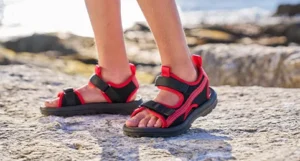
Starting your hiking journey requires these foundational items:
- Proper hiking boots or shoes providing ankle support and protective soles
- Moisture-wicking base layer and insulating mid-layer for temperature management
- Lightweight rain jacket for weather protection
- 20-30 liter hiking backpack with hip belt weight distribution
- Hydration system carrying 1-2 liters of water
- Energy-providing snacks and basic nutrition for your hike duration
- Sun protection: sunscreen, sunglasses, and hat with brim
Building Your Hiking Foundation with Quality Gear
MountainWarehouse makes beginner hiking gear accessible by providing quality equipment at prices that won’t discourage new hikers from starting. Beginning hikers often face a choice: invest heavily in premium gear before understanding their preferences, or rely on inadequate equipment that creates poor experiences. MountainWarehouse bridges this gap, offering functional, durable gear at prices accessible to people exploring whether hiking will become a lasting passion. Your first hikes establish whether you’ll continue hiking throughout your life or abandon the activity due to discomfort and poor preparation. By starting with proper gear, you ensure your initial hiking experiences are positive, comfortable, and enjoyable—foundations for a lifetime of outdoor adventure and nature connection.