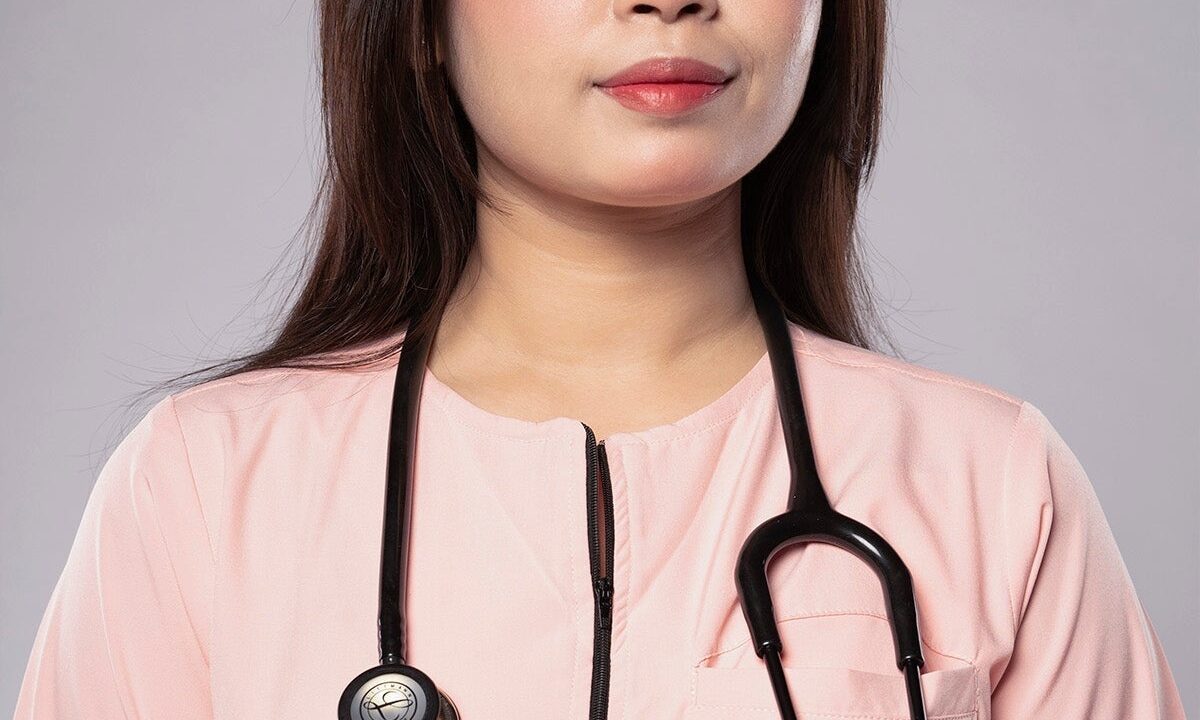

Healthcare workers endure extraordinary physical demands – 12-hour shifts standing, lifting patients, performing repetitive procedures, and navigating emotionally challenging situations. Within this demanding context, comfortable apparel directly affects performance, wellbeing, and career longevity. Yet many healthcare facilities provide minimal guidance on comfort-supporting attire, leaving workers to navigate uniform selection through trial and error. Understanding how design elements support comfort enables selecting apparel enhancing rather than hindering demanding work.
Comfort differs fundamentally from aesthetics or personal preference – it represents functional necessity for healthcare performance. Uncomfortable uniforms distract attention from patient care, increase injury risk, contribute to fatigue-related errors, and drive occupational burnout. Quality healthcare apparel providers like Clinicdress prioritize comfort alongside professionalism, recognizing that comfortable workers deliver superior patient care.
Fabric Technology and Comfort
Natural fiber fabrics – cotton, linen, wool – provide breathability advantages synthetic fabrics lack. Cotton enables perspiration evaporation, cooling skin naturally during extended physical activity. Linen improves ventilation even further, creating air circulation preventing heat accumulation during demanding shifts. These comfort benefits justify premium pricing despite higher costs.
Moisture-wicking technologies increasingly enhance even synthetic fabrics, drawing perspiration away from skin enabling faster evaporation. Quality moisture-wicking management prevents clinging, cold uniforms during physical activity transitions. This temperature regulation becomes critical during dynamic shifts alternating between active patient care and quieter periods.
Fabric weight and weave significantly affect comfort. Lighter weaves improve breathability but reduce durability; heavier weaves protect against contamination but trap heat. Quality uniform providers balance these competing demands – sufficient protection with breathability enabling comfortable extended wear. Finding this optimal balance separates comfort-focused providers from mass-market alternatives.
Fabric softness affects wearer experience – stiff, scratchy fabrics cause irritation during extended wear, particularly in areas with elastic or seams. Quality washing processes, finishing treatments, and superior materials create luxuriously soft uniforms encouraging proper compliance rather than seeking alternatives.
Fit and Mobility Design
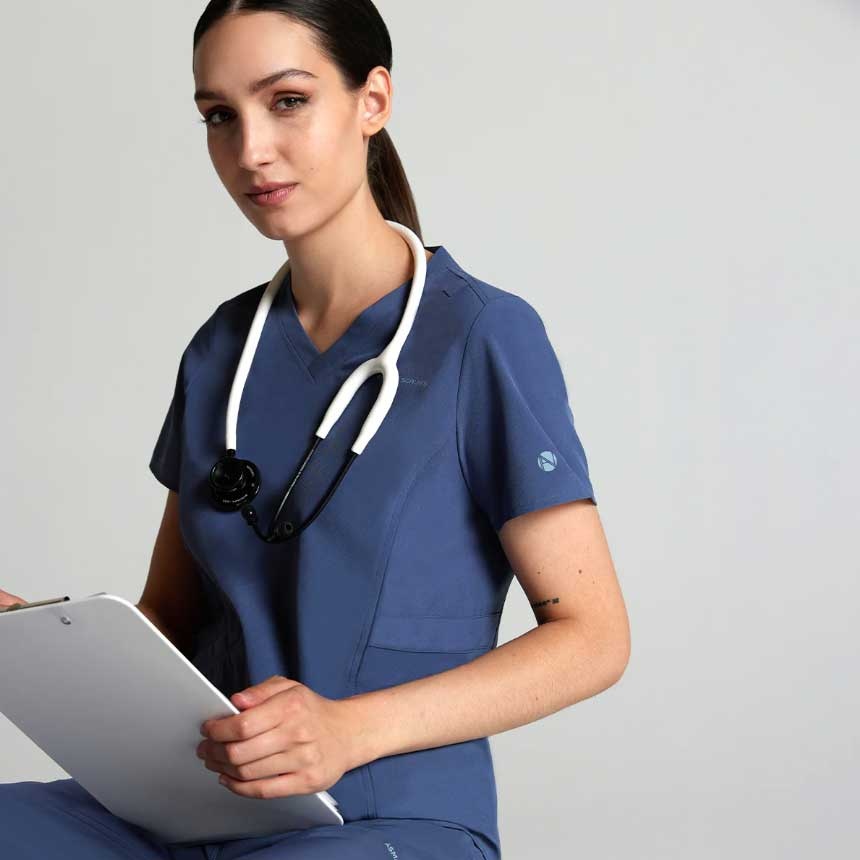
Proper fit represents comfort’s foundation. Overly tight uniforms restrict movement and create pressure points during extended shifts; overly loose uniforms bunch uncomfortably and impede physical work. Quality providers offer detailed sizing guidance ensuring appropriate fit supporting natural movement.
Strategic seam placement prevents chafing during extended wear. Seams positioned where clothing minimally contacts skin prevent irritation accumulating through long shifts. Reinforced stress areas – underarms, crotch seams, shoulder joints – distribute strain across larger areas preventing failure points.
Sleeve and inseam length dramatically affect comfort. Sleeves that are too short restrict arm movement during overhead procedures; too-long sleeves tangle in equipment or create contamination risks. Quality providers ensure appropriate proportions supporting full range of motion without excess fabric.
Ventilation design improves comfort during physical activity. Strategic mesh panels, ventilation gussets, and breathable back panels enable air circulation preventing heat accumulation. These design elements appear minor but significantly affect thermal comfort during demanding shifts.
Practical Comfort Features
Pocket placement and quantity support functional comfort. Strategically positioned pockets enable carrying essential equipment without creating bulges or weight imbalances. Multiple pockets distribute equipment weight across garments rather than creating concentrated burden points.
Elastic waistbands with drawstring adjustment accommodate movement and repeated stretching. Quality elastic maintains performance across hundreds of wash cycles, preventing degradation that reduces functionality. Poor elastic leaves workers constantly adjusting loose, dropping pants.
Flat-front pants designs improve abdominal comfort during extended standing and movement. Pleated designs create bunching and pressure during sitting; flat fronts distribute fabric more evenly. This design distinction significantly affects comfort during desk work periods interrupting patient care.
Closure options affect comfort and security. Button closures create pressure points over abdomens during extended sitting; zipper alternatives distribute closing tension more evenly. Snap closures enable rapid adjustment while reducing abdominal pressure.
Addressing Occupational Challenges
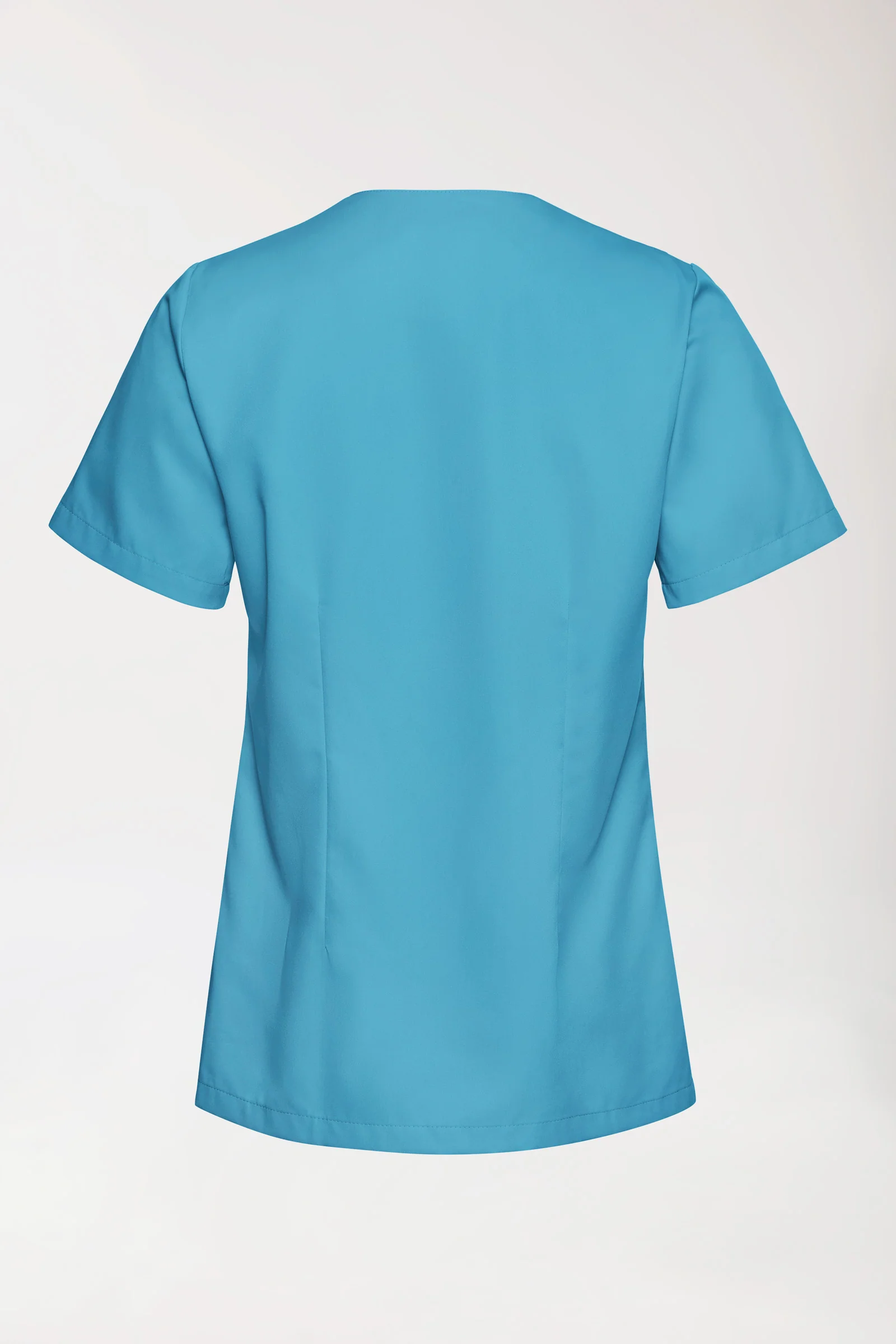
Repetitive reaching and lifting strain shoulders and upper back. Quality uniform sleeves incorporate reinforced underarms and mobility-focused seaming preventing restriction during repetitive movement. Clinicdress designs address these specific occupational demands through informed seam placement and fabric selection.
Prolonged standing causes lower back and leg fatigue. Uniforms incorporating supportive fabrics, appropriate waistband tension, and weight distribution support reduce strain during extended standing. These design elements don’t eliminate fatigue but noticeably reduce occupational discomfort.
Fluid exposure requires protective garments preventing contamination. Yet protection shouldn’t sacrifice comfort or breathability. Quality medical apparel incorporates fluid-resistant treatments that protect without creating plastic-like stiffness compromising breathability.
Thermal Management
Healthcare environments vary dramatically – operating rooms maintain cool temperatures while certain clinical areas generate significant heat. Quality uniforms accommodate these variations through fabric selection and design. Layering possibilities enable adapting to environmental conditions without requiring complete outfit changes.
Excessive perspiration creates physical discomfort and hygiene challenges. Quality moisture-management fabrics address this challenge, keeping skin relatively dry during physical activity. This thermal management improves comfort while supporting infection control protocols.
Seasonal variations require uniform options accommodating temperature changes. Short-sleeve options for summer, long-sleeve alternatives for winter, and transitional garments for variable seasons enable year-round comfort. Providers like Clinicdress offer comprehensive seasonal selections ensuring comfort across annual cycles.
Supporting Mental Health Through Comfort
Occupational comfort affects psychological wellbeing beyond physical sensation. Comfortable uniforms reduce frustration and distraction, enabling greater emotional bandwidth for challenging patient interactions. This seemingly minor detail significantly impacts mental health during emotionally demanding work.
Appearance confidence affects professional psychology. Workers feeling appropriately dressed and appearing professional experience greater confidence and satisfaction. Uniforms fitting well and appearing professional support psychological wellbeing during demanding shifts.
Reducing physical discomfort decreases occupational stress. Comfortable uniforms eliminate recurring minor frustrations that accumulate through 12-hour shifts. By shift’s end, workers experiencing persistent uniform discomfort feel significantly more fatigued emotionally and physically.
Sustainability and Comfort
Sustainable fabrics increasingly enable comfort without environmental compromise. Organic cotton eliminates chemical pesticide exposure during manufacturing; eco-friendly dyes reduce environmental impact without affecting comfort. For environmentally conscious healthcare workers, sustainable comfort options align values with daily practice.
Quality durable uniforms require less frequent replacement, reducing environmental impact and overall costs. Investing in comfort-focused durability supports both worker wellbeing and environmental responsibility.
Investing in Comfort
Individual healthcare workers purchasing personal uniforms should prioritize comfort alongside professional appearance. Premium-priced comfortable uniforms cost more initially but deliver dramatic improvements in daily work experience. Workers spending thousands of hours in uniforms annually benefit significantly from comfort-focused investment.
Healthcare facilities investing in workforce apparel quality improve retention and satisfaction. Comfortable uniforms communicate institutional respect for workers, supporting positive culture and reducing burnout. This investment yields returns through improved retention and worker psychological health.
Understanding how design elements support comfort enables informed uniform selection. Quality healthcare apparel providers like Clinicdress prioritize comfort through thoughtful design, quality materials, and occupational understanding. For healthcare professionals spending extended work hours in uniforms, comfort-focused apparel selection significantly improves daily work experience while supporting performance and career longevity in demanding healthcare environments.

Aria Laurent is a travel and style enthusiast who captures the essence of glamorous journeys around the world. Her writing blends luxury experiences with authentic cultural moments, offering readers a refined perspective on modern travel. From boutique hotels to hidden gems, Aria shares curated insights for those who seek beauty, elegance, and adventure in every destination.