
Acne is frustrating because it makes you feel like you are doing something wrong, when in reality acne is a complex skin condition with multiple causes. Whether you struggle with occasional breakouts or persistent acne, the solution is understanding what causes your specific acne and implementing targeted treatments. Clear skin is absolutely achievable when you move beyond quick fixes and address the root causes of breakouts. The good news is that modern skincare science gives you powerful tools for achieving the clear, healthy skin you deserve.
Acne develops when pores become clogged with excess sebum and dead skin cells, creating an environment where acne-causing bacteria thrive. This process is influenced by hormones, genetics, skincare habits, and environmental factors. Rather than viewing acne as something that happens to you, understand it as something you can actively prevent and treat through strategic skincare choices and habits.
Understand Your Acne Type and Triggers
Not all acne is the same. Blackheads and whiteheads result from clogged pores. Inflammatory acne appears as red, tender breakouts. Hormonal acne clusters around your jawline and chin. Fungal acne causes small, uniform bumps. Understanding your specific acne type guides treatment choices. Treating inflammatory acne the same way you treat blackheads will not work because the underlying causes differ.
Once you identify your acne type, identify your personal triggers. For some people, dairy or sugar triggers breakouts. For others, stress causes hormonal fluctuations that increase acne. Some people break out from certain skincare products. LookFantastic offers comprehensive skincare solutions that target different acne types and causes, allowing you to find products that actually work for your specific skin.
The Foundation: Gentle Cleansing Without Stripping
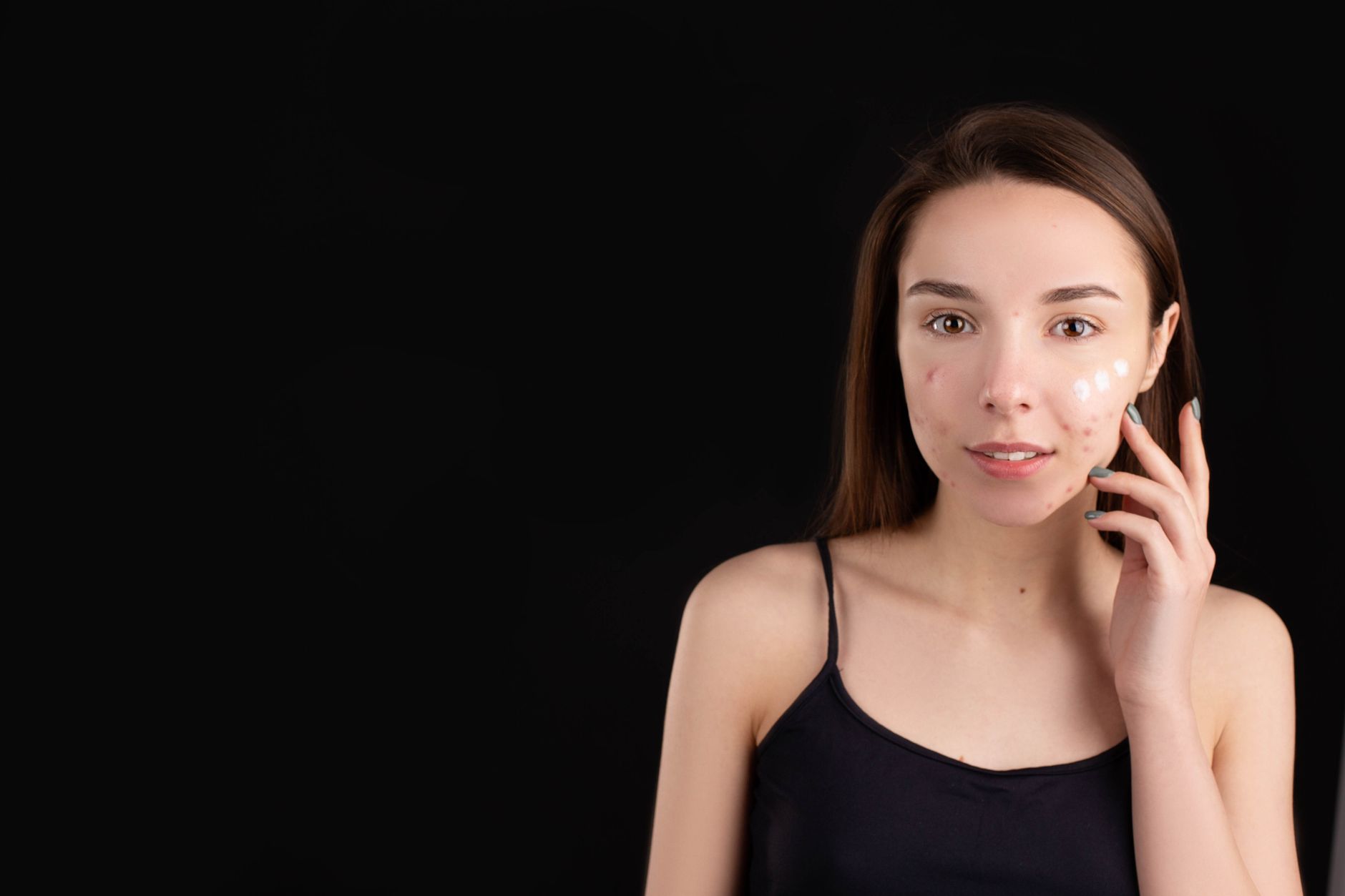
Acne-prone skin still needs gentle treatment. Harsh cleansing strips away protective oils, triggering your skin to produce even more sebum as compensation, worsening acne. The goal is removing excess oil and dead skin cells without damaging your skin barrier. A gentle, pH-balanced cleanser used twice daily removes impurities without overstripping your skin.
Avoid physical scrubs and rough cloths on acne-prone skin because they can spread bacteria and irritate existing breakouts. Exfoliate with gentle chemical exfoliants like salicylic acid or lactic acid that dissolve dead skin cells without physical trauma. The irony of acne treatment is that gentler approaches often work better than aggressive ones.
Exfoliation and Unclogging Target Acne Causes
Chemical exfoliation using salicylic acid or glycolic acid unclogs pores by dissolving the sebum and dead skin cells that block them. Salicylic acid is oil-soluble, making it ideal for oily, acne-prone skin because it penetrates into pores. Glycolic acid works on the skin surface and is gentler for sensitive skin. Using these exfoliants two to three times weekly prevents clogged pores, the root cause of acne.
Do not use chemical exfoliants daily because over-exfoliation damages your skin barrier and worsens acne. Start with two times weekly and increase only if your skin tolerates it well. LookFantastic stocks professional-grade exfoliants that effectively prevent acne without damaging your skin.
Targeted Acne Treatments Kill Bacteria and Reduce Inflammation
Once you have cleansed and exfoliated, targeted treatments address acne-causing bacteria and inflammation. Benzoyl peroxide is exceptionally effective at killing acne bacteria and preventing resistance, making it a gold standard treatment. Starting with low concentrations like two and a half percent reduces irritation while maintaining effectiveness. Azelaic acid reduces inflammation and bacteria while brightening acne scars.
Acne treatment essentials include:
- Benzoyl peroxide to kill bacteria and prevent antibiotic resistance
- Azelaic acid to reduce inflammation and treat sensitive skin acne
- Niacinamide to minimize pores and control sebum production
- Salicylic acid to exfoliate and unclog pores regularly
- Sulfur treatments for resistant or fungal acne
Hydration Paradoxically Reduces Acne
Many acne-prone people avoid moisturizer thinking they will worsen acne. This is a mistake. Dehydrated skin produces excess sebum to compensate, actually worsening acne. Using a lightweight, non-comedogenic moisturizer hydrates your skin without clogging pores, preventing the sebum overproduction that fuels acne.
Hydration also improves your skin barrier function, reducing inflammation and supporting your skin’s natural acne-fighting mechanisms. Lightweight gels and serums provide hydration without feeling heavy on oily skin. Your acne-prone skin needs hydration; you just need the right hydration products.
Hormonal Acne Requires Systemic Approaches
If your acne clusters around your jawline and chin and worsens cyclically with your hormones, you are dealing with hormonal acne. Topical treatments alone often fail because the cause is internal. Hormonal acne treatment may require oral contraceptives, spironolactone, or other hormonal interventions. Consulting a dermatologist is essential for hormonal acne because they can prescribe systemic treatments that topical products cannot provide.
Dietary adjustments may also help hormonal acne. Reducing high-glycemic foods, limiting dairy, and ensuring proper nutrition supports hormonal balance. LookFantastic offers topical treatments that complement systemic hormonal acne approaches.
Prevention Strategies Maintain Clear Skin

Once you achieve clear skin, maintaining it requires consistent prevention. Using your exfoliants and targeted treatments regularly prevents acne from returning. Keeping your skin balanced with proper cleansing, exfoliation, treatment, and hydration prevents the conditions that create acne. Consistency matters more than intensity; using effective products regularly beats sporadic use of harsh treatments.
Hands off your face prevents spreading bacteria to clean skin. Keeping your phone clean prevents transferring bacteria when you hold it against your face. Washing pillowcases regularly prevents bacteria buildup. These simple habits prevent acne from returning after you have achieved clear skin.
Scar Treatment and Prevention Requires Time
Acne scars develop when inflammation damages your skin’s collagen. Some scarring is genetic; you are simply prone to scars. Preventing new scars means treating active acne before it causes severe inflammation. Once scarring occurs, treatment options include microdermabrasion, chemical peels, laser treatments, and injectables. These treatments require professional application and multiple sessions for optimal results.
Prevention of new scars through excellent acne treatment is far easier than treating existing scars. This is why aggressive acne treatment in your teen years and early adulthood protects your skin long-term. LookFantastic supports comprehensive skincare approaches that prevent scarring while treating active acne.
Consistency and Patience Lead to Clear Skin

Clear skin takes time. Acne treatments typically require four to six weeks to show results because your skin cell cycle must complete before you see improvement. Changing products every week because you did not see immediate results prevents you from giving treatments time to work. Commit to a routine for at least six weeks before evaluating whether it is working.
Be patient with yourself. Clear skin is achievable, but it is a process. LookFantastic provides the professional-grade products and solutions your skin needs for clear, healthy results. Your acne is not a reflection of your hygiene or worth. It is a skin condition that responds to proper treatment and prevention strategies. With consistency and the right approach, clear skin absolutely is within reach.