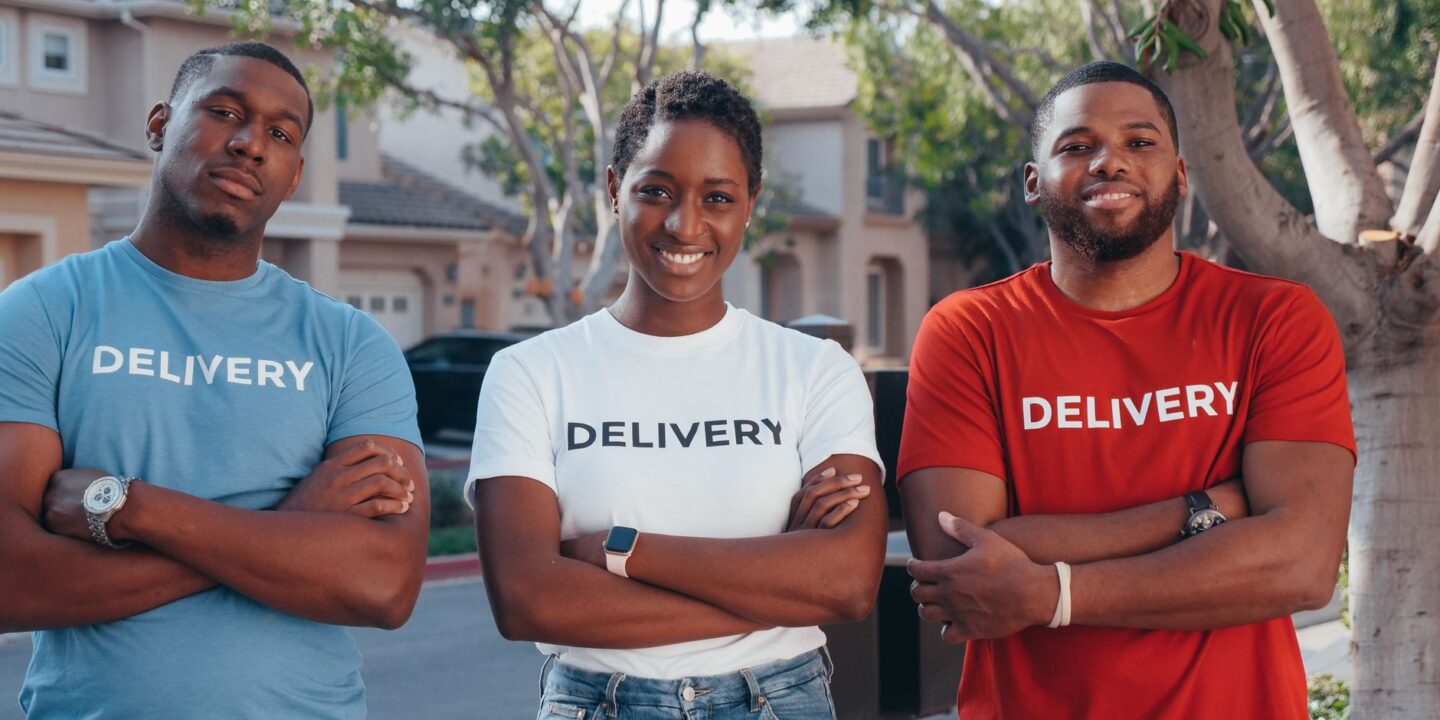

Walk into any successful company and you’ll notice something subtle but powerful. Employees wearing coordinated apparel that features company branding seem more aligned, more cohesive and more genuinely proud of their organization. This isn’t coincidence. Corporate apparel serves a function beyond practical clothing, it’s a tangible symbol of belonging to something larger than yourself. It transforms individual employees into a unified team.
The psychology of team identity is well-documented. When people wear clothing identifying them as part of a group, they internalize that membership. They think differently about their work, invest more emotionally in outcomes and feel stronger connection to colleagues. Corporate apparel amplifies these effects, turning abstract company values into wearable reality.
Beyond psychology, corporate apparel provides practical business benefits. It creates a professional appearance that clients and customers recognize. It simplifies daily wardrobe decisions for employees. It improves brand recognition when employees wear company apparel outside the workplace. Most importantly, it signals to every employee that leadership values them enough to invest in professional appearance and team identity.
Strategic Design for Corporate Branding
Corporate apparel success depends on thoughtful design that reflects your company’s identity and values. A tech startup might embrace bold colors and contemporary design. A financial services firm might prefer classic navy with subtle gold accents. Healthcare organizations often choose comfortable, practical designs. The key is alignment between your company’s brand and the apparel design.
Logo placement significantly impacts how corporate apparel performs. A large obvious logo can seem tacky. A subtle embroidered logo creates professional sophistication. Some companies feature logos on the chest, others on sleeves or backs. Size, color and placement all communicate different messages about how seriously you take branding.
Shirttuning corporate clients frequently design apparel incorporating company values alongside logos. A sustainable company might feature environmental messages. A customer service company incorporates mission statements. These additions transform apparel from simple branded merchandise into powerful communication tools that reinforce organizational values.
Customization options let you differentiate apparel across departments or roles. Executive leadership might wear premium quality apparel distinct from staff uniforms. This differentiation can feel exclusionary if implemented poorly, but when done thoughtfully, it respects organizational hierarchy while maintaining overall team identity.
Engagement and Employee Satisfaction
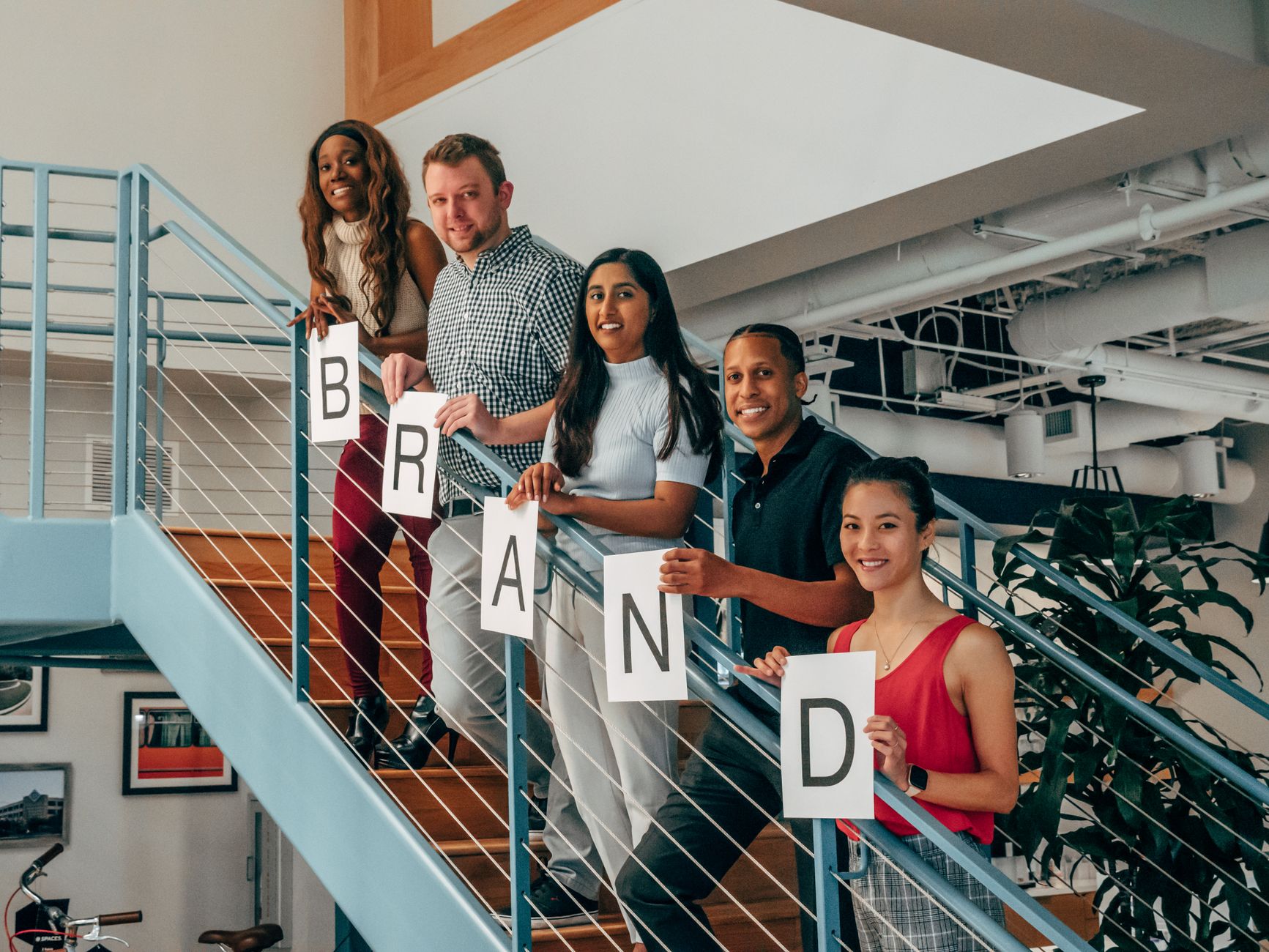
Employees genuinely appreciate quality corporate apparel. Too many companies provide cheap merchandise that employees would never wear outside work, essentially signaling that the company undervalues them. Premium quality apparel sends the opposite message, communicating respect and investment in employee satisfaction.
When employees choose to wear corporate apparel outside the workplace, it amplifies marketing reach exponentially. An employee wearing company branded apparel to the gym, grocery store or social event becomes an informal brand ambassador. This organic visibility carries far more credibility than traditional advertising because it comes from someone customers know personally.
Team morale improvements from corporate apparel are measurable. Employees wearing branded apparel report stronger team connection and organizational pride. This translates to higher retention, improved customer service and greater productivity. The investment in quality corporate apparel pays dividends in employee satisfaction and engagement metrics.
When implementing corporate apparel programs, employee input matters tremendously. Consulting staff about design preferences, fit options and color choices ensures the final product aligns with what employees actually want to wear. Shirttuning helps companies navigate these discussions, ensuring final designs satisfy both organizational objectives and employee preferences.
Corporate Apparel for Events and Promotions
Conferences, trade shows and corporate events present perfect opportunities to deploy branded apparel strategically. A team of employees wearing coordinated apparel at a conference booth immediately looks more professional and cohesive. Attendees notice the unity and professionalism that coordinated appearance communicates.
Corporate apparel also works beautifully for customer appreciation events, team outings and social responsibility initiatives. Volunteer days featuring company branded t-shirts unite employees in common purpose. Charity runs or team sports events featuring company apparel create bonding experiences while raising brand awareness.
Product launches and special events benefit from limited-edition apparel that captures the specific moment in company history. These commemorative items become collectible, reminiscent of tour merchandise in the music industry. Employees treasure these unique pieces, often displaying them long after events conclude.
Shirttuning handles corporate apparel scaling, whether you need 10 pieces for a team or 1,000 pieces for a major event. Their production capabilities ensure consistent quality across large orders, critical for professional appearance at major corporate initiatives.
Client and Customer Perception
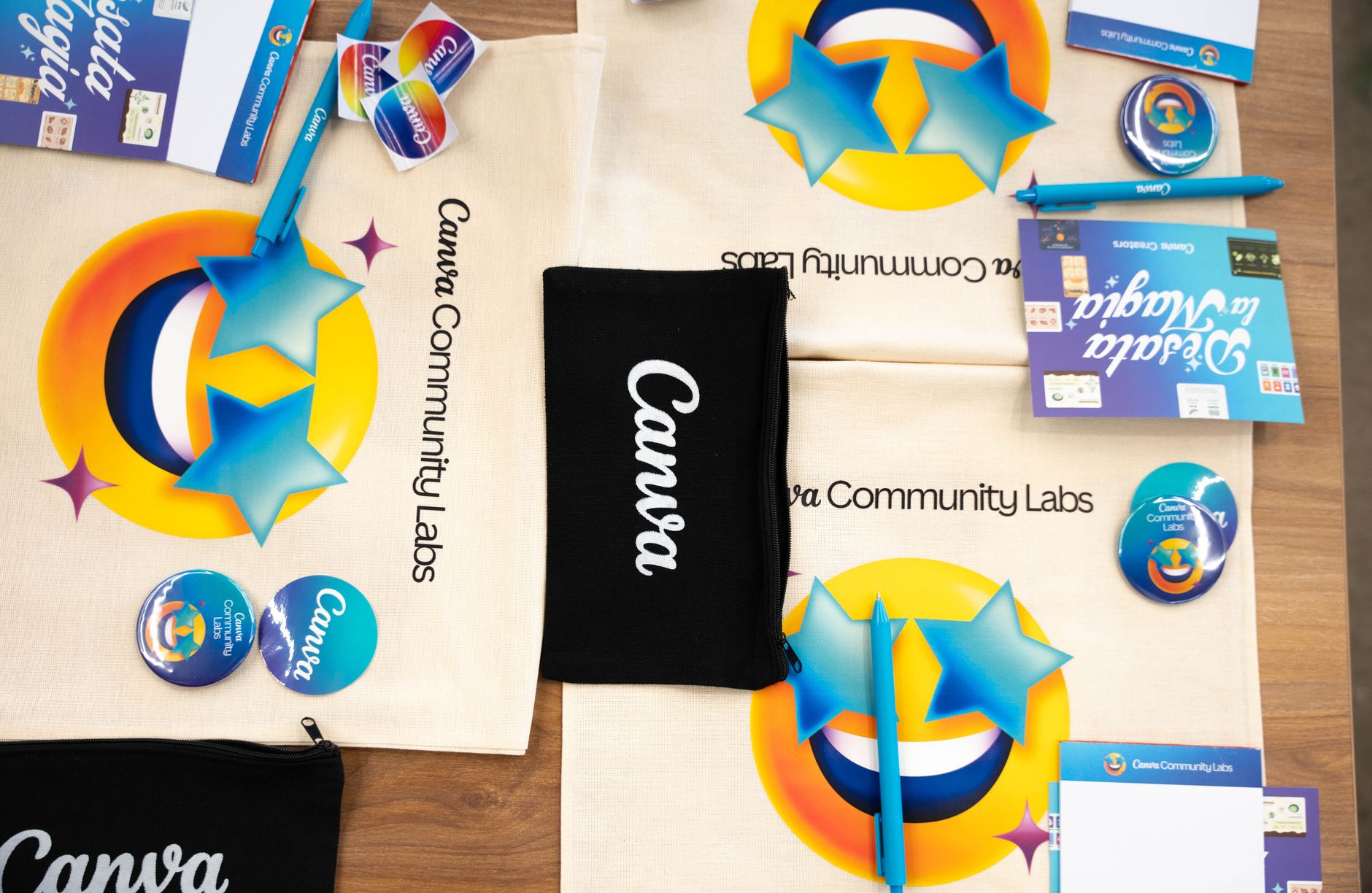
Professional appearance influences client and customer perception far more than most companies acknowledge. A service company where employees wear professional branded apparel appears more organized and trustworthy than a company where employees wear casual uncoordinated clothing. This perception translates directly into customer confidence and willingness to pay premium prices.
Branded apparel helps customers identify employees, particularly important in retail and service environments. When a customer needs assistance, they can easily spot staff members. This improves customer experience and operational efficiency. The professional appearance reinforces brand values and signals that you take customer service seriously.
In competitive markets, professional appearance creates differentiation. When multiple companies offer similar products or services, visual professionalism becomes a deciding factor. Corporate apparel contributes significantly to this perception, creating an impression of quality and organization before customers even interact with your staff.
- Professional branded apparel improves customer perception of company competence and trustworthiness
- Coordinated appearance creates visual cohesion that impresses clients at meetings and events
- Quality apparel signals that leadership invests in employee professionalism and satisfaction
- Branded merchandise extends company visibility when employees wear apparel outside work environments
These factors combine into tangible business value, improving customer acquisition and retention.
Logistics of Corporate Apparel Programs
Implementing a corporate apparel program requires careful planning. Start by determining budget per employee, acknowledging that quality apparel costs more but delivers superior engagement and durability. Cheap apparel seems like cost savings until employees avoid wearing it and you’re forced to replace it.
Next, decide whether to make apparel mandatory, optional or encouraged. Mandatory programs risk employee resentment if not carefully handled. Optional programs let employees choose, increasing voluntary adoption. Many companies settle on encouraged programs with free apparel provided at company events, making wearing apparel easy and appealing without mandating it.
Size and fit options require attention. Corporate apparel that fits poorly frustrates employees and reduces wearing frequency. Offering diverse sizing, including tall and petite options, ensures more employees find comfortable fits. Some companies allow personal customization, embroidering names or allowing design variations while maintaining overall brand consistency.
Replacement schedules matter for maintaining program success. Apparel wears out with time and washing. Providing replacement cycles every 18 to 24 months keeps the program fresh and ensures employees always have quality items to wear. Shirttuning manages these logistics efficiently, handling everything from initial production through replacement scheduling.
Special Considerations for Different Industries
Healthcare organizations need apparel balancing professional appearance with practical comfort and washability. Hospitality businesses benefit from upscale apparel reflecting their brand positioning. Manufacturing facilities require durable apparel suitable for work environments. Tech companies often opt for casual apparel reflecting their culture. Each industry has unique requirements that thoughtful apparel design addresses.
Seasonal considerations matter as well. Summer programs might emphasize lightweight breathable apparel. Winter programs incorporate comfortable layering options. Some companies maintain year-round programs with seasonal variety, ensuring employees have appropriate options throughout the year.
Return on Investment for Corporate Apparel
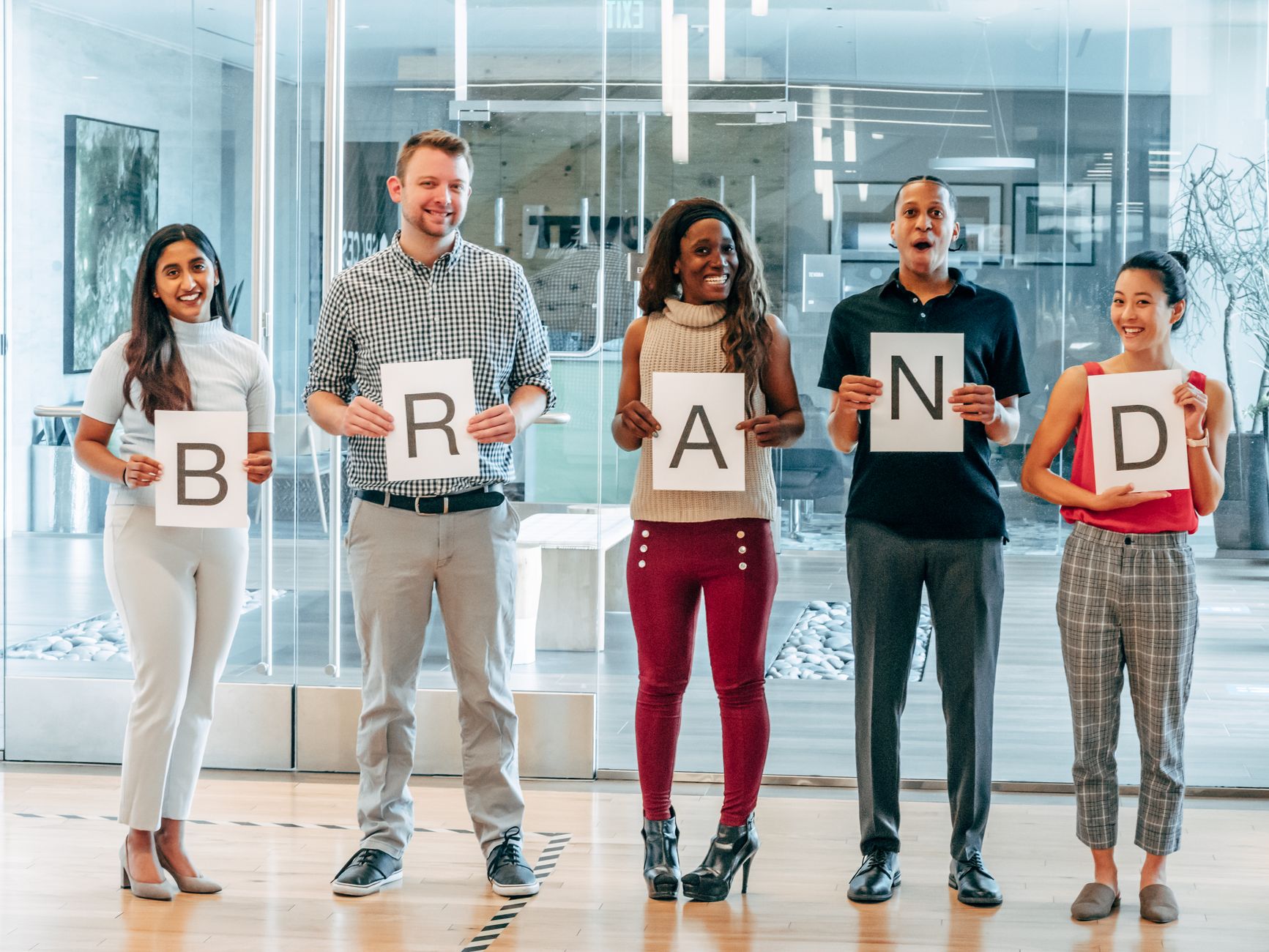
While corporate apparel requires upfront investment, the returns are genuine and measurable. Improved employee engagement leads to reduced turnover, directly impacting hiring and training costs. Enhanced brand visibility from employees wearing apparel outside work increases customer awareness. Better customer perception improves conversion rates and customer lifetime value. Stronger team cohesion improves productivity and work quality.
When you calculate the total return, corporate apparel becomes not just justified but strategically essential. Shirttuning helps companies maximize this return by designing apparel that employees genuinely want to wear and implementing programs that genuinely work.
Your corporate culture exists whether you invest in it or not. Quality apparel signals that you’re intentionally building something meaningful.

Sienna is the creative visionary behind Posh Journey Style. With a background in fashion and a passion for global exploration, she curates the perfect blend of luxury travel, cutting-edge technology, and timeless beauty. Sienna believes that true style is found in the details, inspiring readers to elevate their daily lives with elegance and innovation.