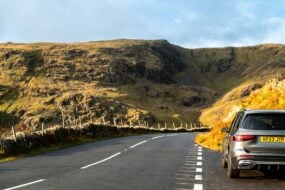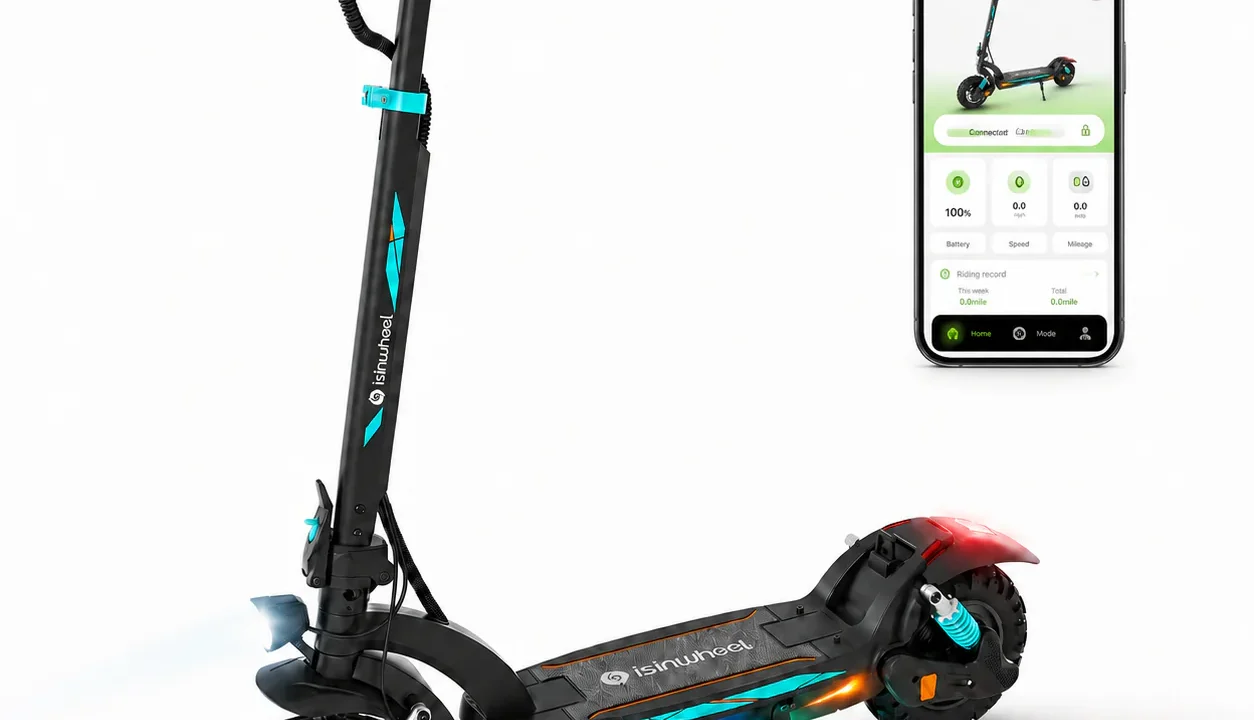

There’s a moment when you realize that the wilderness isn’t reserved for hikers with four-wheel drives and expensive gear. It arrives when you’re standing on the handlebars of a proper all-terrain electric vehicle, battery humming with purpose, ready to tackle gravel trails, rocky terrain, and forest paths without burning a single drop of fossil fuel. This is the promise of modern electric mobility from brands like Isinwheel, where adventure and environmental responsibility finally align instead of conflict.
For decades, outdoor exploration meant accepting a harsh bargain: use a gasoline-powered vehicle and destroy the ecosystem you came to enjoy, or limit yourself to human-powered options that exclude many people based on fitness or ability. Isinwheel is breaking that false dichotomy by building electric scooters and bikes engineered for serious terrain while maintaining zero tailpipe emissions.
The Environmental Cost of Traditional Off-Road Adventures
Let’s confront an inconvenient truth: many off-road adventure sports have a troubling environmental footprint. Four-wheel drives guzzle fuel, compact soil, damage vegetation, and emit greenhouse gases. Motorcycles, quads, and dirt bikes are notorious air and noise polluters. Even hikers, multiplied by millions seeking outdoor experiences, create trail erosion and ecosystem disruption. If everyone pursuing outdoor recreation caused environmental damage proportional to their adventure seeking, wild places would be destroyed by the very people claiming to love them.
This contradiction has bothered outdoor enthusiasts for years. How can you genuinely care about nature while participating in activities that harm it? The answer, until recently, was that you couldn’t, not really. You could only minimize harm or accept it as a necessary trade-off. But electric mobility is changing the equation entirely.
All-Terrain Electric Vehicles: The Adventure Game Changer
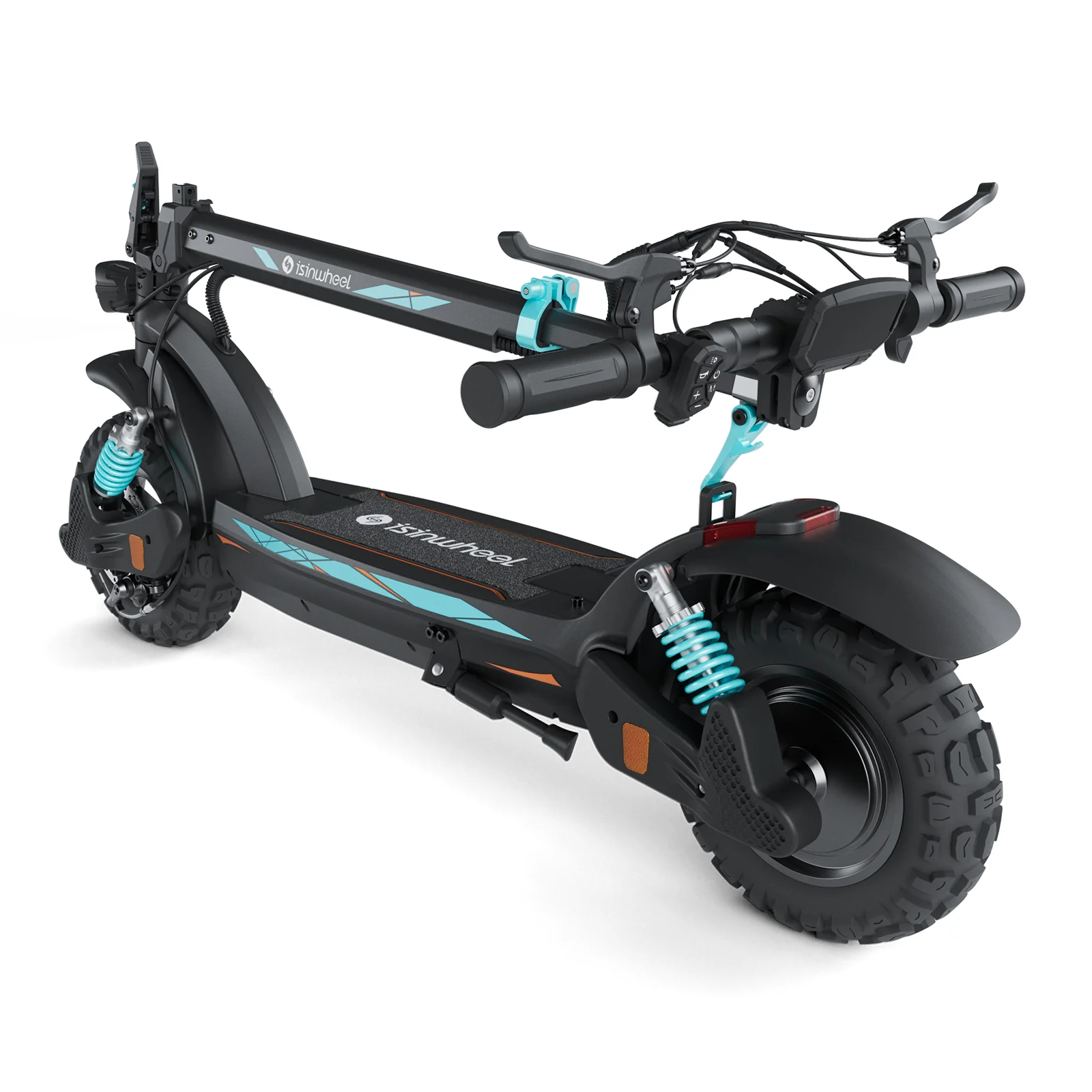
The breakthrough lies in recognizing that off-road capabilities don’t require fossil fuel combustion. Isinwheel has engineered a lineup of all-terrain scooters and electric bikes specifically designed to handle rough terrain, gravel paths, rocky surfaces, and forest trails with serious power and intelligent suspension systems.
Take their GT4, positioned as their flagship all-terrain scooter. With a dual-motor system delivering 2400 watts of power, suspension engineered for shock absorption, and massive 12-inch off-road tires, it’s capable of tackling challenging terrain while maintaining complete silence and zero emissions. This is genuine off-road capability that would have required gasoline engines just a few years ago.
The GT2 offers a similar proposition with 1200 watts of power and terrain-ready design, while models like the Landturbo Pro provide that sweet spot between power, range, and practicality. Isinwheel‘s electric bike offerings are equally impressive, with their M60 mountain bike featuring fat tires (26×4 inches), 750-watt power, and a range extending beyond 100 kilometers. These aren’t compromise solutions, they’re legitimate vehicles purpose-built for adventure.
What Changes When Your Adventure Is Emissions-Free
Electric off-road vehicles create a psychological shift in how outdoor enthusiasts approach their passion. Without engine noise, you’re immersed in natural soundscapes instead of deafened by combustion. Wildlife doesn’t panic and scatter. You can hear birds, rustling leaves, water flowing, the actual environment you came to explore. This changes the entire quality of the experience.
The speed and power dynamics differ too. Isinwheel‘s all-terrain models deliver acceleration and hill-climbing ability equivalent or superior to fuel-powered alternatives, but the delivery is immediate and smooth. There’s no gear shifting, no engine vibration, no transmitted explosions of fuel ignition. Pure electric torque applies instantly, making navigation of technical terrain surprisingly intuitive.
Range has historically been the electric vehicle weakness, but modern batteries have evolved beyond early limitations. A fully charged Isinwheel GT4 provides 80 kilometers of range, while electric bikes like the M60 exceed 100 kilometers. For most adventure seekers pursuing day trips or weekend explorations, this is more than adequate. Longer expeditions can be planned with charging breaks, which have become increasingly available.
The Economics of Zero-Emission Adventure
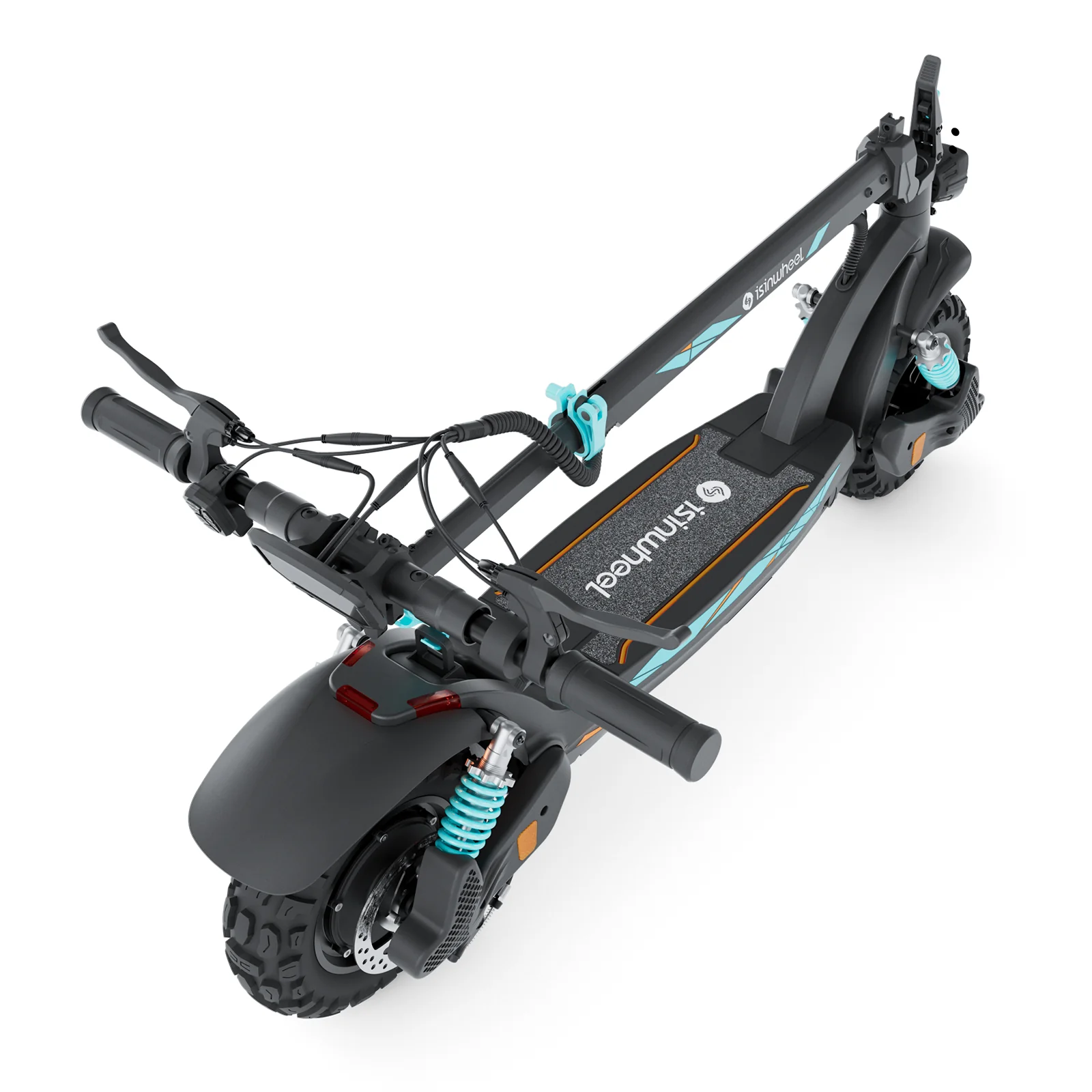
Here’s an underrated dimension: cost. All-terrain electric vehicles from Isinwheel represent remarkable value compared to equivalent gasoline alternatives. A quality fuel-powered off-road vehicle costs thousands more to purchase, requires regular maintenance including oil changes and spark plug replacements, burns expensive fuel, and depreciates rapidly. Electricity costs pennies per charge by comparison, and maintenance is minimal.
The pricing strategy makes sense for a brand serious about enabling broad adoption of sustainable adventure seeking. By removing the premium tax usually associated with performance off-road vehicles, Isinwheel democratizes the experience. Someone with a modest budget can now access legitimate trail-riding capability that was previously restricted to wealthier enthusiasts.
Plus, there’s no registration, licensing, or insurance required for electric scooters in most European jurisdictions. Compare that to motorcycles or ATVs, and the financial advantage becomes even clearer. The barrier to adventure drops significantly.
Sustainability Beyond Carbon Emissions
Environmental impact extends beyond carbon footprint. Gasoline-powered vehicles leak oil, contaminate soil and groundwater, create particulate pollution, and generate waste from regular maintenance. Electric vehicles produce none of that ecological damage. When riding through natural areas, every mile on an Isinwheel vehicle means zero soil contamination, zero air pollution, zero noise pollution. Your presence becomes genuinely non-destructive.
This matters profoundly for trail preservation. Popular trails suffer damage from vehicle impact and pollution, requiring costly maintenance and eventual closure. Quieter electric vehicles cause less compaction, create no emissions to damage vegetation, and generate no noise disturbance. A trail ecosystem can actually sustain higher visitor volume when that volume arrives via electric power rather than combustion.
Forward-thinking park authorities and land managers are recognizing this, which is why electric off-road vehicles are becoming permitted in areas where gasoline alternatives face restrictions. Isinwheel isn’t just selling vehicles, they’re enabling a new model of outdoor recreation that parks and ecosystems can actually sustain long-term.
Finding Your Perfect Trail Machine
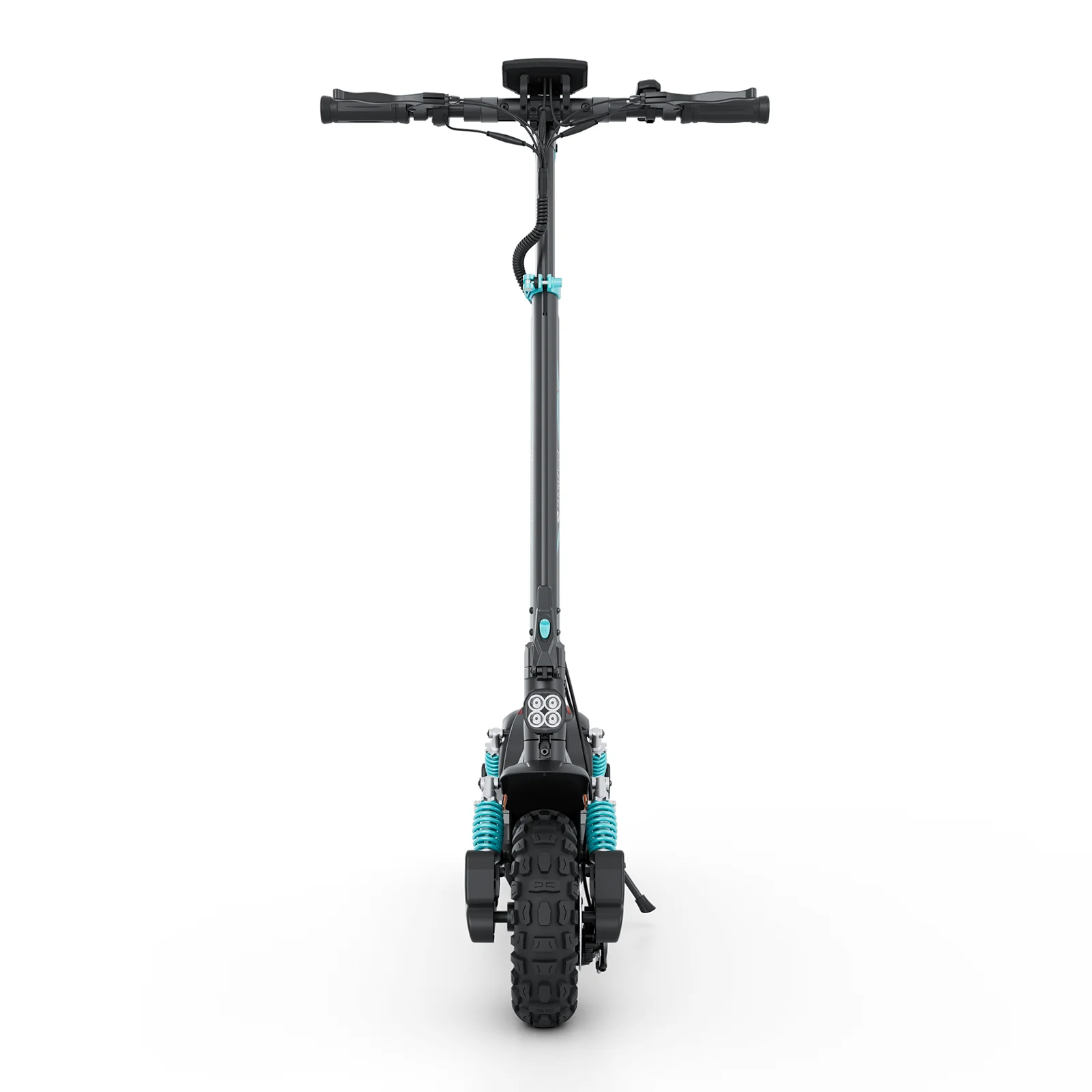
Selecting the right Isinwheel model for adventure depends on your specific pursuits:
- Casual trail riders benefit from mid-range models offering solid power, reasonable range, and manageable weight for transport
- Serious off-road enthusiasts pursuing technical terrain choose dual-motor systems with maximum power and suspension
- Long-distance explorers select electric bikes like the M60 for extended range and different riding geometry
- Weight-conscious riders balance payload capacity against power needs, avoiding unnecessary weight on challenging climbs
- Multi-use riders seeking road and trail versatility benefit from models bridging both environments rather than extremes
The key is matching capability to your actual adventures, not imagined extreme scenarios. A model that handles your regular terrain and offers growth potential for evolving skills is the sweet spot.
The Future of Outdoor Recreation
The shift from combustion to electric-powered outdoor recreation is inevitable, and it’s beginning now. Environmental consciousness combined with genuine capability improvements means fewer reasons to justify gasoline-powered trail vehicles in the coming years. Regulatory pressure will accelerate the transition, but the underlying appeal is simpler: electric adventure vehicles from brands like Isinwheel are just better. Better for the environment, better for the experience, better economics. When you stop thinking of sustainability as sacrifice and recognize it as genuine improvement, the choice becomes easy. The trails are waiting, cleaner and quieter than before.

Sienna is the creative visionary behind Posh Journey Style. With a background in fashion and a passion for global exploration, she curates the perfect blend of luxury travel, cutting-edge technology, and timeless beauty. Sienna believes that true style is found in the details, inspiring readers to elevate their daily lives with elegance and innovation.