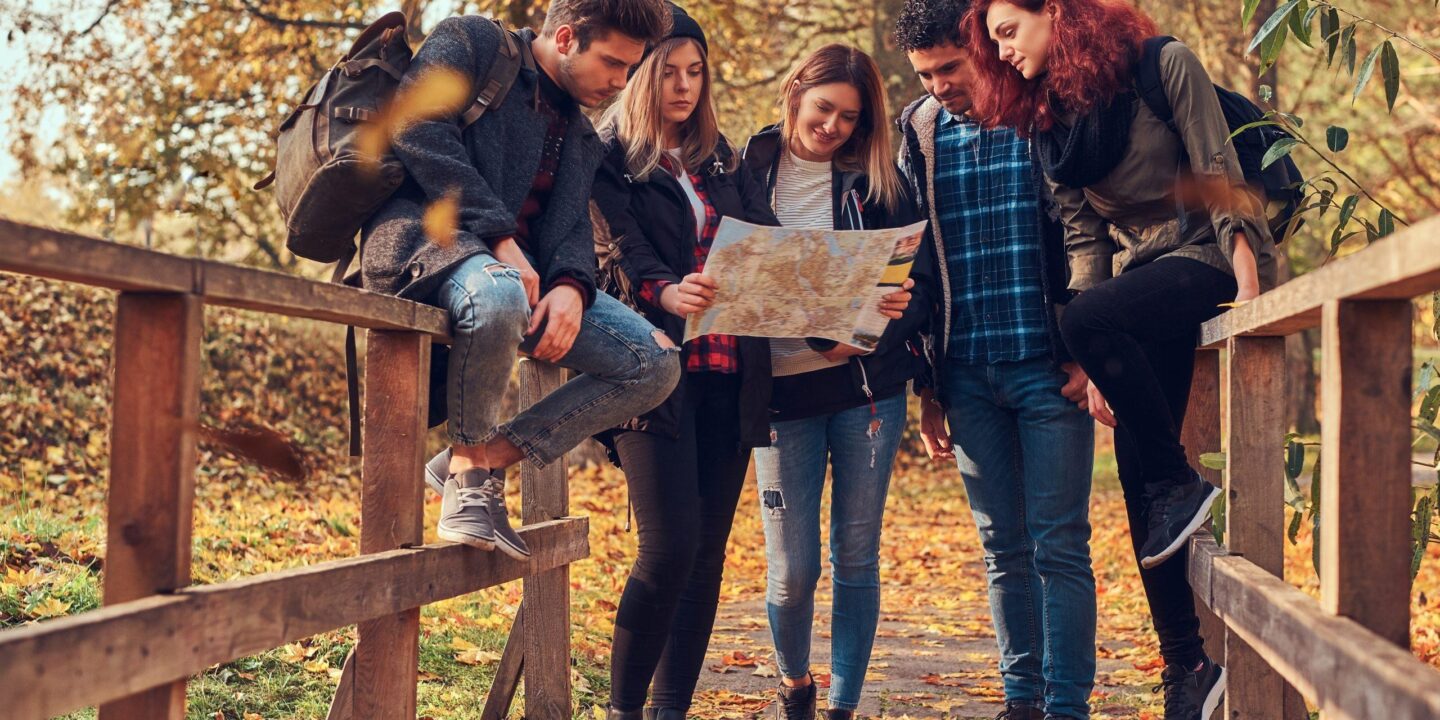

Creating shared memories with the people who matter most often requires more than casual dining or routine entertainment. Families and friend groups seek experiences that bring everyone together, that break ordinary patterns, and that everyone remembers for years afterward. Corporate teams need more than strategy meetings and training sessions, they need genuine connection and mutual respect forged through shared challenge and accomplishment. Adventure experiences designed specifically for groups offer exactly this kind of bonding opportunity.
Family Adventures: Building Connections Across Generations
Modern family life often feels fragmented. Parents manage work schedules, children juggle activities, and everyone spends considerable time on screens. Quality time requires intention and breaks from routine. Group adventure experiences create natural spaces where family members interact outside normal roles, where a parent might need encouragement from a child, where teenagers connect with younger siblings through mutual challenge.
Facilities designed for group adventures accommodate multiple age ranges and ability levels simultaneously. A twelve-year-old can work through a challenging rope course while their parent completes a slightly modified version nearby. Grandparents cheer from observation areas or participate in age-appropriate sections. The arena becomes neutral ground where family relationships recalibrate through shared purpose. Rather than a parent directing a child’s afternoon, both are working toward a common goal, understanding each other’s strengths and fears in new ways.
These shared experiences create lasting conversation points. Years later, families reference the moment someone finally completed a particular challenge, or when everyone succeeded in a group obstacle. These memories reinforce family identity and provide common history that extends beyond school and sports activities.
Friend Groups and Social Bonding Through Shared Challenge
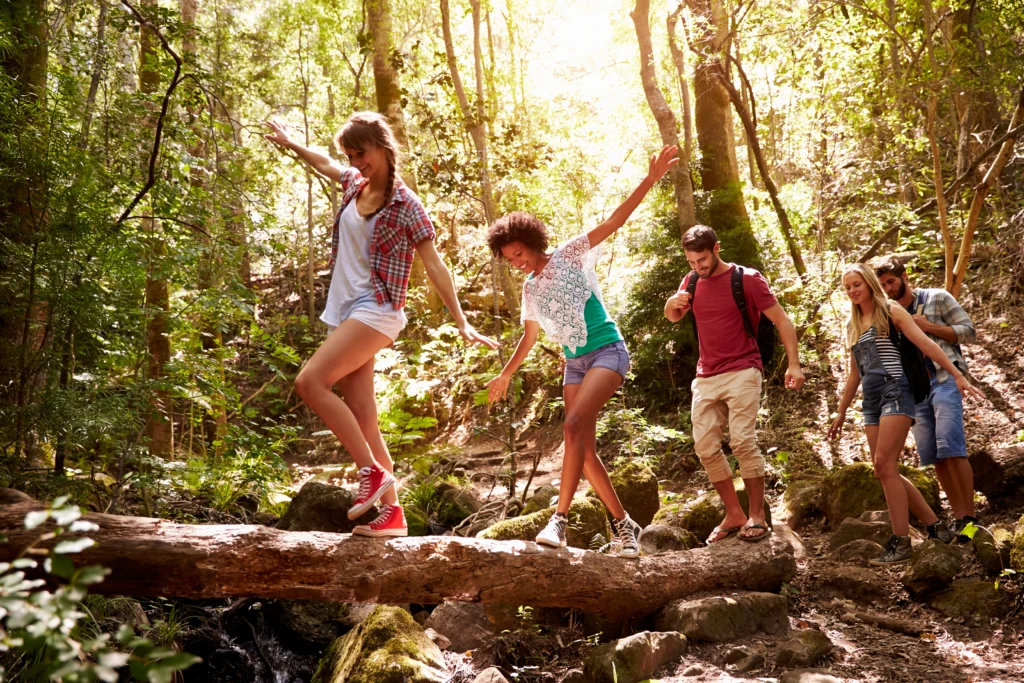
Adult friendships often involve similar activities: dinners, drinks, movie nights. While enjoyable, these activities don’t create the deep bonding that shared challenge produces. Adventure experiences place friends in situations where they need each other, where they witness each other’s courage and vulnerability, where they celebrate genuine accomplishment together.
Group activities in adventure facilities work particularly well because they combine personal challenge with collective support. One friend might excel at climbing while another excels at aerial navigation, but everyone participates, everyone struggles a bit, and everyone experiences success. The variety of obstacles means that each person shines in different moments, equalizing status and creating mutual respect. Friendships deepen when people understand each other more fully, and adventure experiences provide exactly this deeper understanding.
Moreover, these activities create tangible proof of what friends are truly capable of accomplishing together. Rather than discussing theoretical support, friends actually support each other through genuine difficulty. Rather than assuming mutual respect, they witness each other’s character during challenging moments. The experience becomes anchoring, reinforcing bonds and creating shared identity as a group.
Corporate Team Building: Beyond Icebreakers to Genuine Connection
Traditional corporate team building often feels forced, consisting of awkward icebreakers and contrived activities. Employees endure these sessions rather than enjoy them. The challenge with typical team building is its superficiality, many activities feel disconnected from actual work challenges and don’t create meaningful change in workplace relationships.
Adventure experiences offer something different. They demand genuine communication, trust, and collaboration. A team completing a complex obstacle course together encounters real problems requiring actual solutions. Employees see colleagues in situations that reveal character: who stays calm under pressure, who encourages others, who admits when they’re struggling, who celebrates team progress over individual achievement. These are precisely the qualities that determine whether teams function well in actual work environments.
The informal setting of adventure experiences also reduces workplace hierarchy. A senior executive might struggle on an obstacle that a junior employee masters effortlessly. This role reversal naturally creates mutual respect and more egalitarian team dynamics moving forward. Back in the office, people remember this shared experience and communicate more openly as a result. The artificial barriers that normally exist between different organizational levels soften when everyone has witnessed each other’s genuine effort and vulnerability.
Specialized Programs for Different Group Types
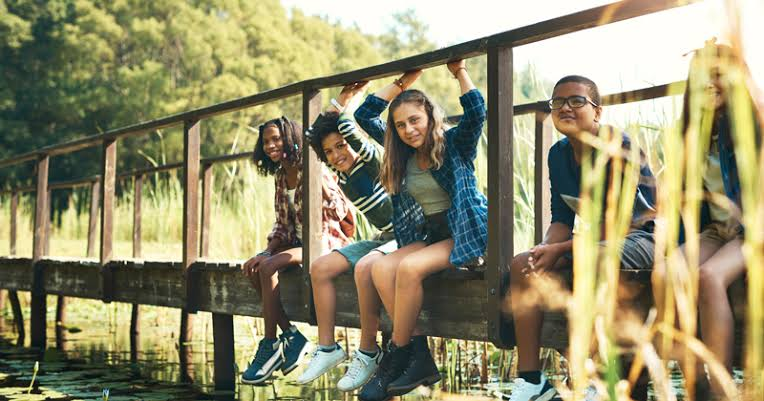
High-quality adventure facilities recognize that different groups need different experiences. Family programs often include observation areas where nervous grandparents can safely cheer without pressure to participate. Youth programs emphasize fun and progression for teenagers and younger children. Corporate programs focus on leadership development and communication alongside physical challenges. These specialized approaches ensure that each group type has an experience tailored to their specific dynamics and goals.
The structure matters too. Groups work with experienced facilitators who understand group dynamics, who can draw out quieter participants, who can ensure that activities serve genuine bonding rather than reinforcing existing hierarchies or cliques.
Memory Creation and Shared Identity
Years after the actual visit, groups reference their adventure experience. Families tell stories about someone’s breakthrough moment. Friend groups remember who supported them through their worst moment. Corporate teams recall how a shared challenge changed their understanding of each other. These memories become part of group identity, repeated narratives that reinforce who the group is and what they’re capable of accomplishing together.
The shared experience also provides common reference points for communication. When teams face actual workplace challenges, someone inevitably references the adventure experience: Remember when we thought we couldn’t make it across that obstacle together, and then we found a way? We can do this too.
Choosing Adventure Together
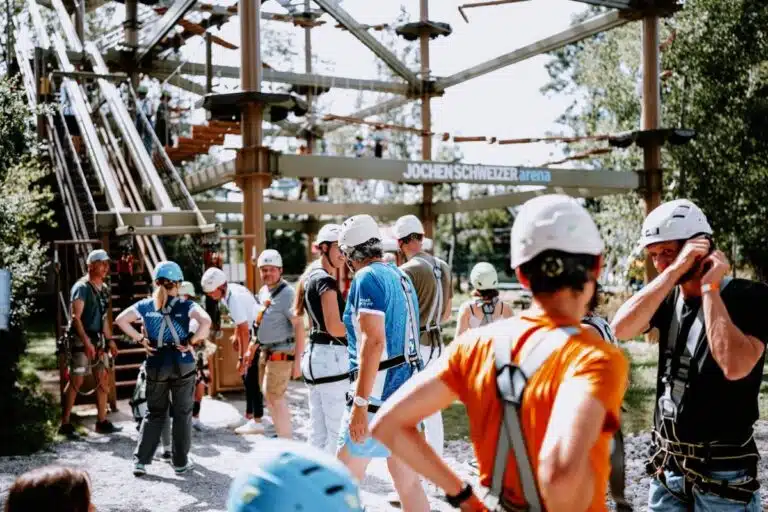
Groups seeking genuine bonding experiences should consider what adventure environments offer that conventional entertainment doesn’t. There’s something irreplaceable about standing together facing genuine challenge, supporting each other through difficulty, and celebrating accomplishment. Jochen Schweizer Arena has designed spaces specifically for these group experiences. Whether your family needs quality time that breaks routine, your friend group wants to deepen your bonds, or your corporate team needs to build genuine communication and trust, Jochen Schweizer Arena offers programs tailored to your specific group dynamic. Visit Jochen Schweizer Arena and book an experience that will transform how your group relates to each other. Professional facilitators ensure that your group gets maximum benefit from the challenges designed specifically for group bonding. Jochen Schweizer Arena doesn’t just provide obstacles, they provide the structured environment where genuine connection happens naturally. The shared memories you create together will reinforce your group identity for years to come, and the communication patterns you develop will transform how you work together moving forward.
Groups that participate in these experiences consistently report that the time invested transformed their relationships. That’s what makes adventure experiences different from ordinary entertainment.

Sienna is the creative visionary behind Posh Journey Style. With a background in fashion and a passion for global exploration, she curates the perfect blend of luxury travel, cutting-edge technology, and timeless beauty. Sienna believes that true style is found in the details, inspiring readers to elevate their daily lives with elegance and innovation.