

There’s a quiet revolution happening in how parents approach their children’s education. It’s not about drilling facts or chasing test scores. It’s about understanding how children actually learn, what motivates them intrinsically, and how to foster the kind of curiosity that sustains education long after school ends.
Educational psychology—the study of how people learn and develop—has moved from academic ivory towers into living rooms across the world. Parents are discovering that books grounded in actual learning science beat parenting trends every time. Erickson has established itself as a trusted resource for parents and educators who want to move beyond intuition into evidence-based practice.
The Problem With Traditional Learning Models
For generations, education operated on a simple model: present information, test comprehension, move on. This system worked for some children and completely failed others. It didn’t account for different learning styles, processing speeds, or the reality that engagement matters more than instruction for actual retention.
What we now understand from decades of educational psychology research is that the traditional model treats children as passive receivers of information rather than active builders of knowledge. A child sitting quietly at a desk isn’t necessarily learning. A child asking questions, making mistakes, and wrestling with concepts is genuinely learning.
Erickson publishes materials that reflect this understanding. Their educational resources aren’t about controlling children’s learning or forcing compliance. They’re about understanding the psychological principles that make learning happen naturally.
What Learning Science Actually Tells Us

Educational psychology research has given us concrete insights. We know that distributed learning beats cramming. We know that retrieval practice—being asked to recall information—strengthens memory far more than passive review. We know that mistakes are learning opportunities when handled correctly. We know that autonomy and choice increase engagement dramatically.
We know that teaching a child to understand why something works matters more than teaching them to do it correctly. We know that children who develop growth mindsets—the belief that abilities can improve with effort—outperform children with fixed mindsets regardless of starting ability.
These aren’t philosophical positions. They’re empirically verified through rigorous research. And they fundamentally change how we approach education. Erickson‘s resources help parents and educators apply these principles practically, in real classrooms and real homes.
The Parent’s Role as Learning Coach
Educational psychology reveals that the parent’s role isn’t to be the teacher—it’s to be the learning coach. Your job isn’t to ensure your child knows the correct answer. It’s to help them build the cognitive skills to find correct answers independently.
This shift is profound. Instead of checking homework for errors and correcting mistakes, you’re asking questions: What did you try? What happened? What will you try next? Instead of telling your child they’re smart or stupid, you’re acknowledging effort and strategy: You worked hard on that. Your approach got better as you practiced.
Parents trained in educational psychology create learning environments where children feel safe taking intellectual risks. They understand that a child who never fails is probably not being challenged enough. They recognize that boredom and frustration are both signals that the learning task needs adjustment.
Different Brains, Different Learning Needs

One of the most important contributions of educational psychology is moving us beyond the idea of a single right way to learn. Children have different processing styles. Some are visual learners. Some need kinesthetic experience. Some think in stories. Some think in systems and patterns.
The traditional classroom, with its emphasis on sitting still and listening, systematically disadvantages non-auditory learners. Educational psychology helps us understand that difference isn’t deficiency. A child who struggles with the lecture format might be brilliant at learning through discussion, hands-on practice, or written material.
Erickson‘s materials recognize this reality. Their resources include varied approaches because they understand that effective learning must meet learners where they are. A parent using these materials learns to recognize their child’s learning strengths and build on them rather than fighting them.
Building Resilience Through Learning
Perhaps the most valuable outcome of understanding educational psychology is raising children who approach challenges with resilience rather than fear. A child who’s been trained to see mistakes as information rather than failure will attempt hard things. A child who understands that their brain grows through struggle will persist when learning gets difficult.
This resilience extends far beyond academics. Children who develop these psychological frameworks become adults who take on challenges. They become people who see feedback as useful rather than threatening. They become people who believe they can improve rather than believing they’re stuck.
The stakes here are higher than test scores. We’re talking about raising humans who engage with the world confidently. Who try things. Who fail, learn, and try again. That’s the product of parenting informed by actual learning science.
From Research to Real Parenting
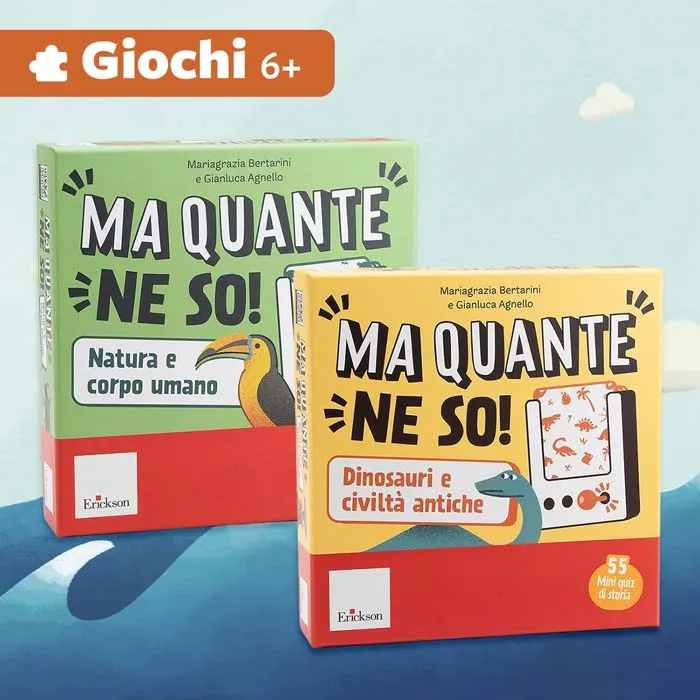
The challenge with educational psychology is translating research into actual parenting decisions. Most parents don’t have time to read academic journals. They need the insights without the jargon. They need practical strategies that work in real homes with real children and real time constraints.
That’s why Erickson matters. They’ve done the translation work. They take decades of research on how learning happens and present it in ways parents can understand and actually use. Whether you’re dealing with a resistant reader or a math-anxious child or a creative kid bored by the standard curriculum, evidence-based approaches work better than tradition-based approaches.
Modern parenting is moving beyond instinct and guilt into informed, research-backed decision making. Your goal isn’t to raise a perfect student. It’s to raise a learner—someone who wants to understand things, who sees challenges as opportunities, and who builds competence progressively throughout life.

Aria Laurent is a travel and style enthusiast who captures the essence of glamorous journeys around the world. Her writing blends luxury experiences with authentic cultural moments, offering readers a refined perspective on modern travel. From boutique hotels to hidden gems, Aria shares curated insights for those who seek beauty, elegance, and adventure in every destination.