
Managing electricity, gas, and home broadband through separate providers often means juggling multiple bills, support lines, and renewal dates. Integrated energy and broadband bundles aim to simplify that by placing fibre internet, fixed-rate power, and gas inside one customer relationship. This article looks at how Eni Gas e Luce_CPL structures its fibre and energy offerings, and which combinations make practical sense for households already managing several utilities at once.
The Plenitude Ecosystem: Fibre, Energy, and Solar as Integrated Services
Eni Gas e Luce_CPL positions fibre, electricity, gas, and solar as parts of a connected customer ecosystem rather than standalone products. A household with an active energy contract can add fibre, solar panels, or insurance cover from the same account, which is what sets integrated energy and broadband bundles apart from buying internet and power from two unrelated companies. A family renewing a gas contract, for instance, can browse the fibre and solar sections of that same account instead of starting a new search elsewhere.
The ecosystem also extends to digital tools. Energy Tracker, a free digital service tied to an active electricity offer with a 2G meter, lets customers follow consumption through the app or personal account area without installing any extra device at home. It breaks down usage by activity, such as washing or refrigeration, and compares a household’s consumption against similar homes.
Plenitude Fibra Specifications: Download Speeds, Wi-Fi 7, and Modem Features
Plenitude Fibra runs on FTTH technology and reaches download speeds of up to 2.5 Gb/s with upload speeds of up to 1 Gb/s. That places it among the faster fixed-line connections available to residential customers through this kind of bundled contract. The offer covers the data connection itself and does not include a voice calling service.
For a household streaming video on one device while another family member works from home, that combined download and upload capacity is the practical reason fibre-to-the-home matters more than older copper connections. Because the energy account already exists with the provider, the fibre line is simply added to the same profile rather than opened as a brand-new customer file. That single login is a recurring theme across integrated energy and broadband bundles generally, since it removes the need for a second set of credentials just to manage internet service.
Fixed-Rate Protection with Fixa Black Friday: How Price Stability Works Over 24 Months

Fixa Black Friday locks in fixed consumption-based rates for electricity and gas for 24 months. During that period the per-unit rate charged for energy consumed stays fixed, even though the final bill amount still depends on actual usage and applicable taxes. Customers who set up direct debit payment receive an additional 5% reduction on those fixed consumption rates for the duration of the contract.
Subscription happens entirely online. Uploading an existing bill lets the system pre-fill much of the enrollment form, which a customer then reviews and confirms before activation. As a result, switching or renewing a gas and electricity contract takes noticeably less paperwork than a traditional phone-based sign-up.
Adding Plenitude Fibra to Existing Energy Contracts: Activation and Coverage Verification

A household already holding a gas or electricity contract with Eni Gas e Luce_CPL can add Plenitude Fibra to that same account once FTTH coverage at the property address is confirmed, which is why checking availability remains a necessary first step before enrollment. For example, a customer moving into a flat with an existing energy supply can check fibre coverage from the personal account area before requesting activation, rather than filling out a new registration form.
This layering mirrors how account changes are handled elsewhere, such as voltura, the transfer of a contract to a new holder, or subentro, the reactivation of a closed meter, both processed through the same online account structure. Keeping fibre, electricity, and gas under a single account also means a single customer service channel handles questions across all three services. For households weighing integrated energy and broadband bundles against separate contracts, that consolidation is often the most noticeable difference day to day.
NoPensieri Insurance Protection: Coverage Tiers for Home Systems and Appliances

Alongside energy, fibre, and solar, the renewable offering carries its own built-in protection layer rather than requiring a separate policy purchase. Every fotovoltaico package includes installation plus five years of Zurich Multirischi coverage at no additional charge, extending protection beyond the panels into the wider installation around the home.
- Installation of the solar system is included directly within the fotovoltaico offer, rather than billed as a separate service.
- Five years of Zurich Multirischi coverage is attached to every fotovoltaico package sold.
- That insurance period runs alongside the physical equipment rather than requiring a separate policy to be arranged afterward.
- The coverage applies across all solar offers in the range, not to a single selected package.
Combining Renewable Solutions: Fotovoltaico Discounts and Heat Pump Incentives for Plenitude Customers
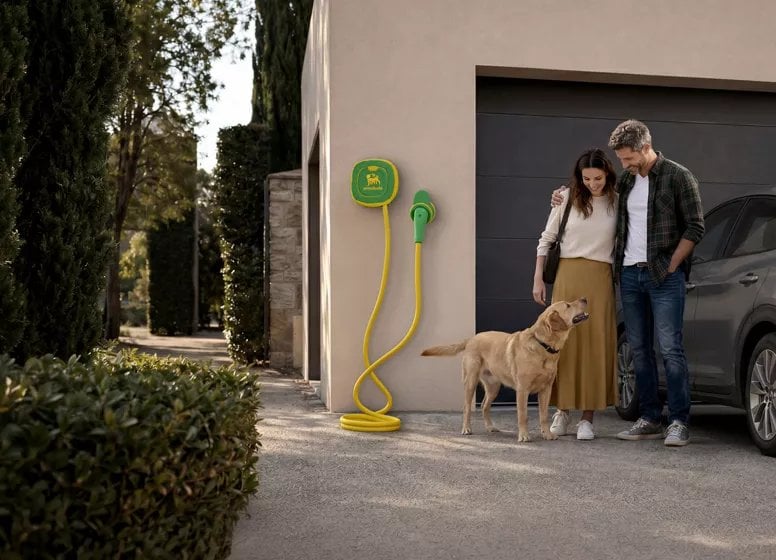
Beyond photovoltaic panels, heat pump and boiler offers appear among the home services available to customers with an active energy contract. The Adotta un pannello initiative also lets a customer access solar energy without any installation at their own property, which is a different route into renewable energy than buying a rooftop system outright.
Taken together, fibre, fixed-rate energy, solar panels, and included insurance form a wider set of integrated energy and broadband bundles built around one account rather than several unrelated contracts. Heat pumps and boilers extend that same logic into heating, giving a household more of its home infrastructure managed through a single provider relationship. Anyone exploring Eni Gas e Luce_CPL can compare these combinations directly within one account.
For households already comparing providers, the underlying question is less about any single product and more about how many separate accounts a family wants to keep track of going forward.

Aria Laurent is a travel and style enthusiast who captures the essence of glamorous journeys around the world. Her writing blends luxury experiences with authentic cultural moments, offering readers a refined perspective on modern travel. From boutique hotels to hidden gems, Aria shares curated insights for those who seek beauty, elegance, and adventure in every destination.