
Plenty of false ideas keep people from ever opening a meal kit box, let alone cooking from one. This piece works through several recipe box myths debunked one by one, covering flexibility, food waste, cooking skill, and hidden fees. Gousto‘s own published setup offers a useful reference point for separating assumption from fact.
Why Recipe Boxes Aren’t Just for Special Occasions or Busy Professionals
There is a lingering idea that meal kits exist only for dinner parties or for people with demanding careers and no time to shop. In reality, the format suits a much wider range of households. Gousto lists boxes for singles, families, vegetarians, vegans, and pescatarians, alongside options aimed at calorie-controlled or high-protein eating. The menu spans quick weeknight meals and more involved weekend cooking, so it is not built around one lifestyle.
This range matters because meal planning habits differ from one household to another. A single-person household has different needs than a family of five, and boxes are sized from one to five people. Looking at who actually orders these boxes challenges one of the more persistent recipe box myths debunked by assumption rather than evidence.
The Myth That You’re Locked Into a Long-Term Commitment With Gousto

Subscription fatigue has made many people wary of signing up for anything recurring. However, boxes can be skipped, paused, or cancelled at any time, with no lock-in built into the arrangement. This flexibility is part of the standard setup rather than an exception granted on request.
Delivery frequency can also be adjusted, with weekly, fortnightly, or monthly options depending on what suits a particular stretch of time. On top of that, the number of recipes chosen for a given week can shift without needing to cancel and re-subscribe. That combination of adjustable frequency and recipe count is one of the structural details that often gets missed in general claims about meal kit rigidity.
Misconception: Recipe Boxes Waste More Food Than Traditional Grocery Shopping
A common assumption is that pre-portioned ingredients create more packaging and leftover waste than a standard supermarket shop. Gousto‘s approach is built around sending exactly what a recipe needs, down to individual cloves of garlic, rather than whole packets that go half-used. That precision stands in contrast to the odd quarter-onion or unused herb bunch that often ends up in the bin after an ordinary shop.
Gousto also points to its Eco Chill Box, which uses recycled paper as part of its packaging. Combined with B Corp certification, reflecting verified standards for social and environmental business practices, the sourcing and packaging choices suggest a more considered supply chain than the stereotype of excess cardboard and plastic implies.
Heat & Eat Ready Meals vs. Misconceptions About Prep Time and Cooking Skill
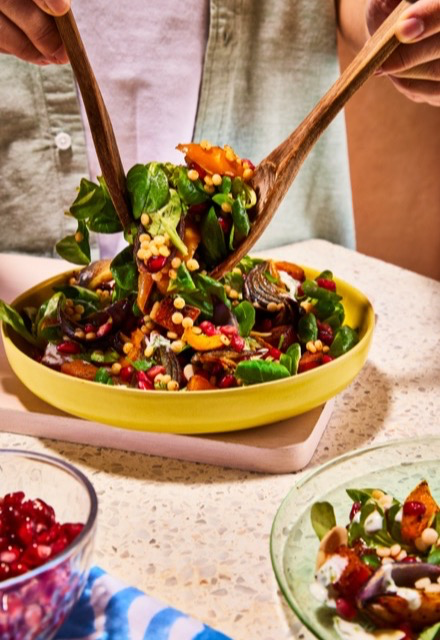
Another widespread belief is that meal kits demand real cooking ability and a long block of free time. The weekly menu includes over 40 ten-minute meals, alongside One-Pot Wonder and Prepped in 5 ranges built for speed. These sit next to the Heat & Eat line, described as delivering the same flavour with none of the preparation.
Recipe cards accompany every box, setting out clear instructions for each dish. For anyone assuming a meal kit demands advanced culinary confidence, this spread of formats, from ready-to-heat meals to fuller weekend recipes, tells a different story. It stands as one of the clearer recipe box myths debunked through the actual product lineup rather than general claims.
Why Portion Adjustment in Gousto Boxes Doesn’t Mean Paying Extra Fees

There is also confusion around whether changing portion sizes or recipe counts triggers extra charges. Portions can be adjusted, with recipe counts chosen between two and five per box, for households of one to five people. The box size and recipe number can also change week to week, rather than being locked once selected.
This adaptability is framed around fitting different households rather than upselling extras. A gathering of guests over a weekend can call for a larger box, while a quieter week after can scale things back down. That kind of built-in adjustment challenges the idea that flexibility always comes bundled with hidden costs.
- Many assume recipe boxes take as long to prepare as cooking completely from scratch, when ranges like ten-minute meals and Heat & Eat options exist specifically to cut that time down.
- Some believe every recipe box forces a rigid weekly contract, whereas a no lock-in setup allows boxes to be skipped or cancelled freely.
- A frequent assumption is that dietary preferences are an afterthought, yet dedicated vegetarian, vegan, and pescatarian menus are refreshed as part of the regular lineup.
- Another myth holds that portion changes always come with confusing add-on fees, when box sizing from one to five people is simply built into ordering.
- It is often assumed that recipe variety is limited, but a rotating menu of over 175 recipes each week argues against that.
Common Confusion About Recipe Variety and Menu Rotation in Weekly Deliveries
A final misconception is that recipe boxes repeat the same handful of meals every month, leading to boredom. Gousto‘s menu changes weekly and includes over 175 recipes to choose from, spanning global cuisines, family favourites, and a Health Hub range of lower-calorie or higher-protein dishes. That scale is notably larger than some competitors in the same category, based on the brand’s own comparison of weekly recipe counts.
Family-friendly recipes are adapted for picky eaters, while the Quick & Easy menu covers One-Pot Wonder and Prepped in 5 formats for busier evenings. Because the lineup rotates every week rather than sitting static, repetition is less of a structural issue than assumed. This rotation sits at the centre of several recipe box myths debunked around variety and long-term interest in the format.
Assumptions about rigidity, waste, and complexity often say more about a category’s early reputation than about how recipe boxes actually run today.

Aria Laurent is a travel and style enthusiast who captures the essence of glamorous journeys around the world. Her writing blends luxury experiences with authentic cultural moments, offering readers a refined perspective on modern travel. From boutique hotels to hidden gems, Aria shares curated insights for those who seek beauty, elegance, and adventure in every destination.