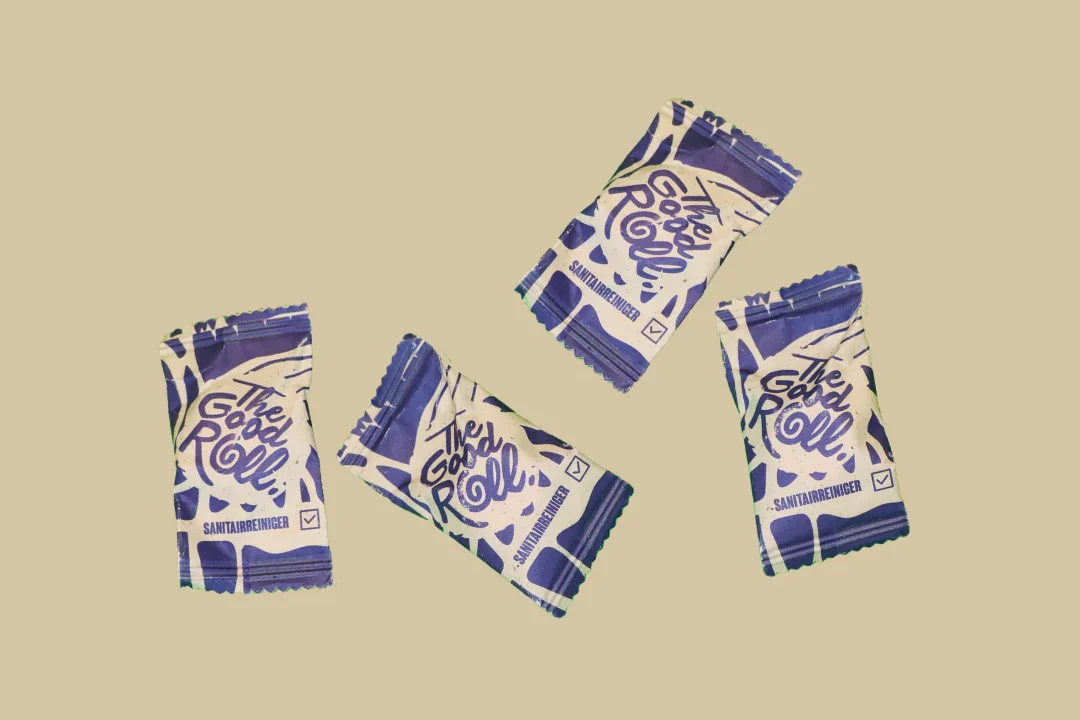

Sustainable living isn’t about perfection or deprivation, it’s about making intentional choices that reduce your environmental footprint without requiring you to live like a hermit in the woods. One of the easiest and most impactful transitions anyone can make is switching toilet paper products. This simple swap replaces a daily necessity with an eco-conscious alternative that actually performs better than conventional options. When you choose recycled or bamboo toilet paper like The Good Roll, you’re not just buying a different product, you’re adopting a mindset that recognizes the power of individual choice in creating systemic change.
The beauty of the sustainability movement has evolved tremendously. Gone are the days when eco-friendly meant rough, scratchy alternatives that felt like punishment for caring about the planet. Modern recycled and bamboo toilet paper products rival or exceed conventional tissue in every measurable way. They’re softer, stronger, and dissolve more efficiently. They’re often better priced due to reduced manufacturing complexity. They require fewer chemical additives and less processing. Most importantly, they align your daily routine with your values, which creates a psychological anchor for continued sustainable living in other areas of your life.
Understanding Recycled Toilet Paper: The Second Life Solution
Recycled toilet paper represents one of the most elegant sustainability solutions because it addresses the problem of waste while solving the need for tissue simultaneously. Rather than harvesting virgin forests, manufacturers source post-consumer waste paper, office paper that never got used, and cardboard that would otherwise end up in landfills. This material gets cleaned, deinked, and processed into fresh tissue that functions identically to products made from virgin fiber.
The environmental benefits compound when you consider the full lifecycle. Manufacturing recycled tissue uses approximately 70 percent less energy than creating tissue from virgin pulp. Water consumption drops to roughly one-third of conventional production. Zero trees are harvested, meaning no deforestation, no habitat destruction, no carbon sequestration loss. The logistics are also more efficient because recycling facilities are typically distributed across regions, reducing transportation distances. When you choose The Good Roll‘s recycled options, you’re actively participating in a circular economy that transforms waste into utility.
Bamboo Tissue: Nature’s Renewable Resource
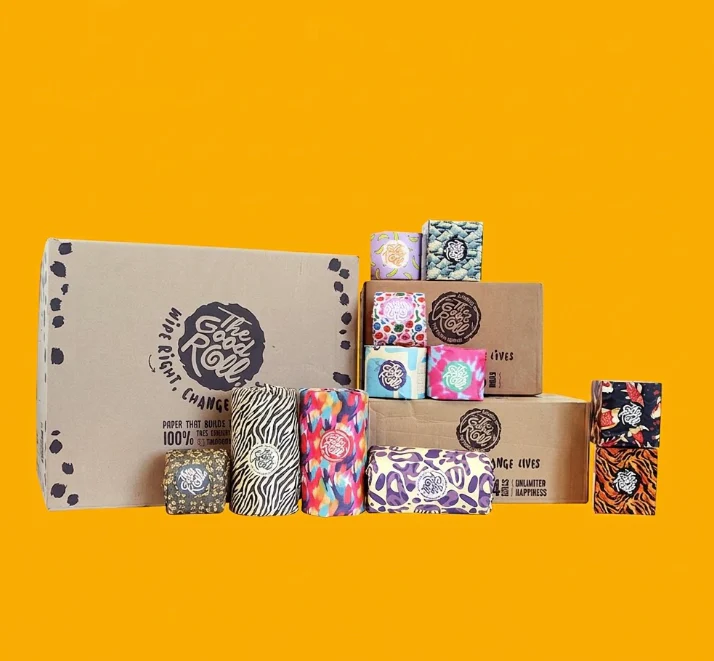
While recycled tissue addresses waste, bamboo tissue addresses the renewable resource question. Bamboo grows at extraordinary speeds, with some species adding new stalks daily during peak seasons. Unlike hardwood forests that require fifteen to twenty years to mature, bamboo reaches harvest-ready size in three to five years. More importantly, harvesting bamboo doesn’t require uprooting the plant. The root system remains intact, allowing the grove to regenerate naturally without replanting. This creates a genuinely sustainable agricultural cycle that can continue indefinitely without degrading soil or requiring deforestation.
The tissue produced from bamboo fiber possesses naturally superior qualities. Bamboo fibers are inherently longer and stronger than wood fibers, resulting in tissue that requires fewer sheets to accomplish its purpose. The plant’s natural properties make the tissue softer without requiring harsh chemical softening agents. The Good Roll utilizes bamboo’s advantages fully, creating products that outperform conventional tissue on every practical measure while maintaining environmental responsibility.
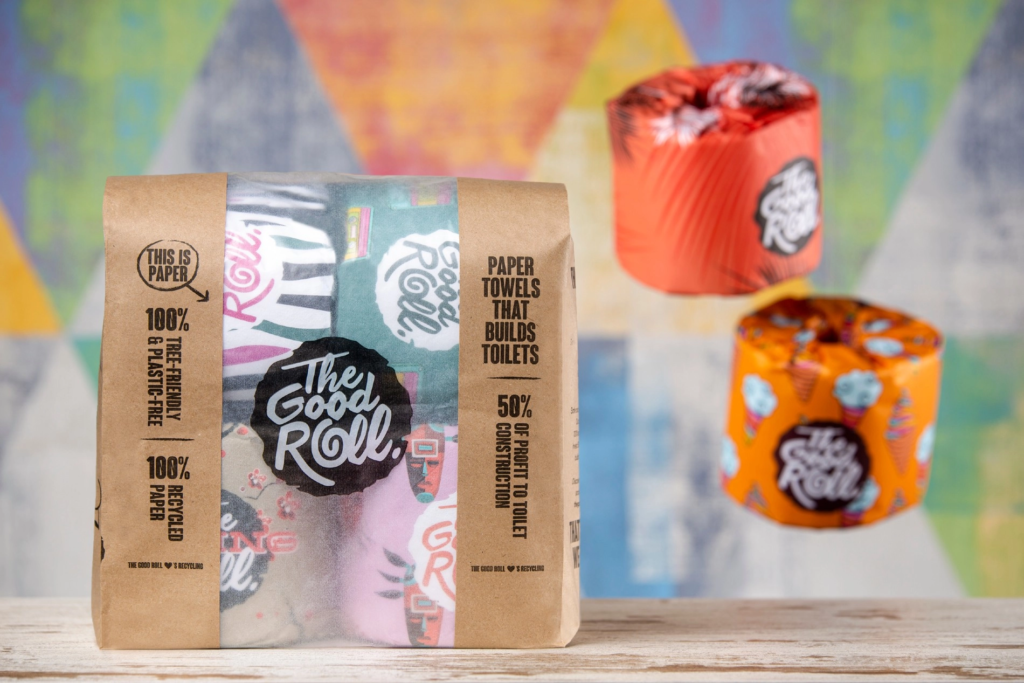
The Manufacturing Story: From Raw Material to Bathroom Essential
Understanding how recycled and bamboo tissue gets made reveals why these products are genuinely superior rather than merely adequate alternatives. Traditional tissue manufacturing uses the Kraft process, which requires harsh chemicals, significant energy, and produces toxic byproducts that require environmental cleanup. Modern sustainable tissue manufacturing employs mechanized pulping and closed-loop chemical recycling, meaning chemicals and water circulate through the system rather than being released into ecosystems.
For recycled tissue, the process begins with sorting and cleaning collected paper. Ink removal uses water and mechanical action rather than toxic chemicals. The refined pulp gets strengthened with minimal additives and processed into tissue that’s remarkably consistent in quality. For bamboo tissue, the process is similarly thoughtful. Mechanical pulping preserves more of the plant’s natural fiber structure, reducing the chemical load required during processing. The Good Roll‘s manufacturing partners maintain environmental certifications and transparent practices, ensuring that what appears sustainable actually is.
Beyond the Roll: Supporting Sustainable Lifestyle Choices
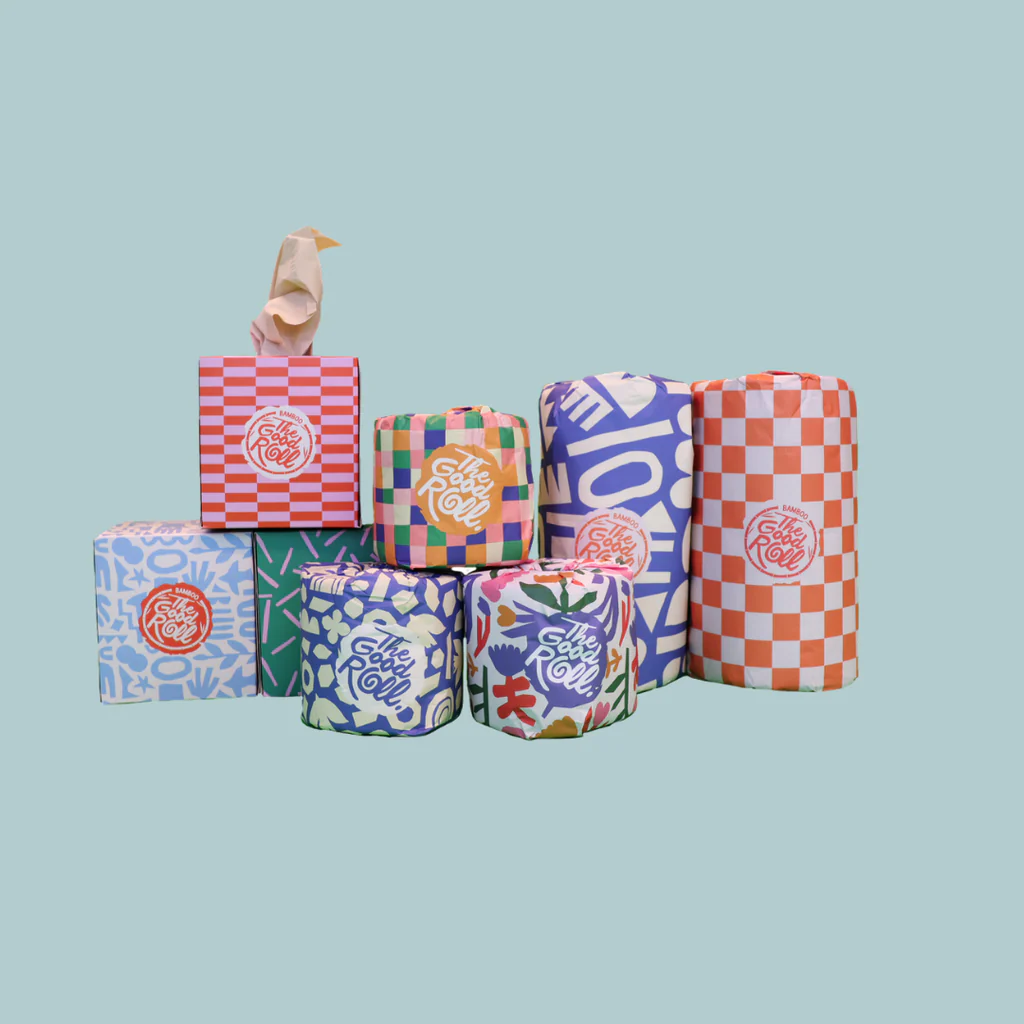
Switching to sustainable toilet paper serves as a gateway to broader lifestyle changes. Once you’ve made one intentional purchasing decision, you become aware of similar choices in other areas. You start noticing packaging waste, considering food sourcing, evaluating clothing production methods, and generally becoming more conscious about consumption. Psychologists call this the consistency principle, whereby making one values-aligned choice creates internal pressure to align other choices with those same values.
This ripple effect extends beyond personal behavior. When enough individuals switch to sustainable products, market signals shift. Companies invest in better practices to capture conscious consumer demand. Supply chains reorganize to emphasize transparency and responsibility. Manufacturing innovations accelerate as competition intensifies among sustainable brands. The Good Roll exemplifies this shift, having grown from a small sustainable startup to a major player in the global tissue market by consistently delivering superior products while maintaining ethical practices.
Cost Efficiency: Why Sustainable Costs Less Than You’d Expect
One of the greatest surprises people encounter when switching to sustainable tissue is that it often costs less than conventional options. This seems counterintuitive until you examine the economics. Sustainable products don’t require advertising budgets comparable to mass-market brands. They’re sold primarily through direct distribution and online channels with minimal middleman markup. Consumers buy by subscription, providing manufacturers with stable revenue and reduced sales and marketing costs.
Additionally, sustainable tissue typically requires fewer sheets per use due to superior fiber quality. A single roll lasts longer, offsetting any price premium. When you calculate cost per use rather than cost per roll, sustainable options become genuinely economical. The Good Roll‘s pricing reflects this efficiency, making the environmental choice simultaneously the economical choice.
Practical Integration into Your Routine
Making the switch requires only one change: selecting a different product. Everything else remains identical. Your bathroom setup needs no modifications. Your usage patterns adapt naturally within the first roll as you become accustomed to tissue that actually responds to how you use it. The subscription model ensures consistent supply without the waste of bulk purchasing or the inconvenience of emergency supply runs.
For families or businesses with higher consumption volumes, the per-unit savings become even more pronounced. The softness and durability mean less waste and fewer emergency purchases. Over a year, a household switching to The Good Roll will typically reduce tissue consumption while simultaneously eliminating virgin fiber usage from their lifestyle. That’s the essence of sustainable living: making conscious choices that feel like improvements rather than sacrifices.
The Confidence of Making Conscious Choices
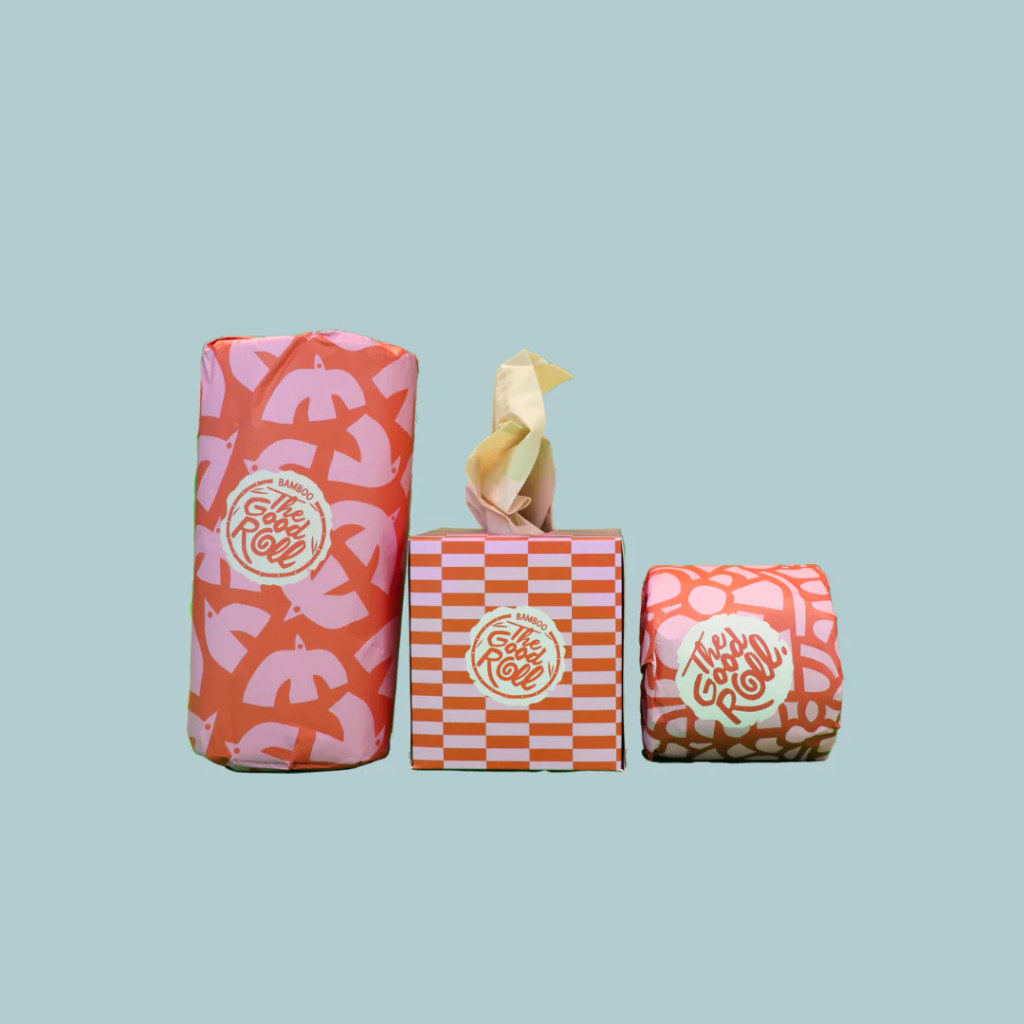
Perhaps the most underrated benefit of switching to sustainable products is the psychological shift that occurs. Each time you use the bathroom, you’re reminded that your choices align with your values. This consistency between belief and behavior creates a sense of integrity and purpose. You’re not lecturing others about environmental responsibility while contributing to the problem. You’re actively part of the solution in a domain that affects your daily life.
Sustainable living begins with recognizing that cumulative small choices create massive outcomes. Every roll matters when multiplied across a lifetime of bathroom visits. Every purchase signals to manufacturers that consumers care about environmental impact. Every conversation about why you switched influences someone else to consider alternatives.

Luca Moretti is a global lifestyle writer with a passion for storytelling through travel, fashion, and urban exploration. Inspired by vibrant cities and timeless destinations, he creates content that reflects sophistication and curiosity. Luca’s work focuses on helping readers discover unique places, elevated experiences, and the art of living stylishly on the move.