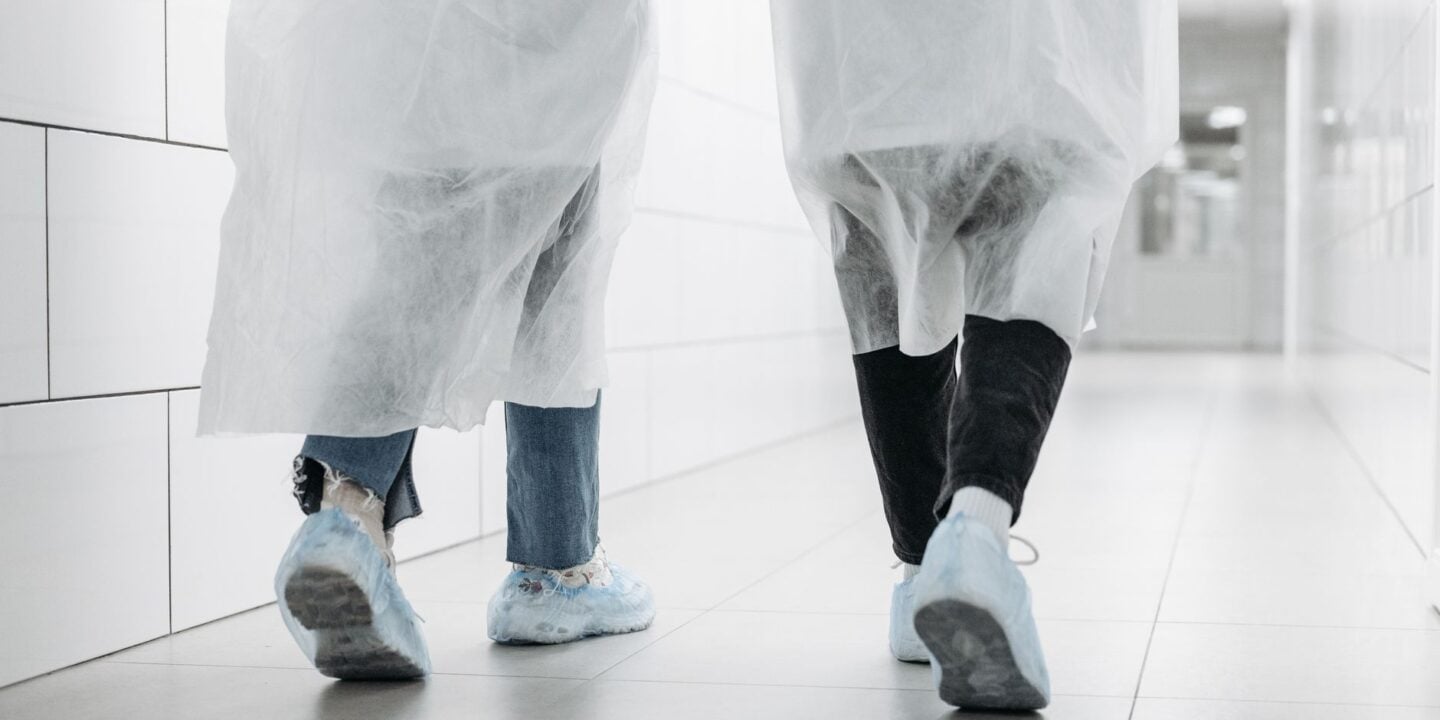

Healthcare professionals spend their careers on their feet, sometimes 12-hour shifts standing on concrete floors in sterile hospital environments. Nurses, physicians, surgeons, and support staff face physical demands that require footwear engineered specifically for professional healthcare environments. Beyond hospitals, numerous professional settings demand specialized footwear: laboratory environments requiring chemical-resistant materials, kitchen spaces needing slip-resistant soles, manufacturing floors requiring protective features. Crocs Italia understands that professional healthcare footwear isn’t simply “comfortable shoes”—it’s specialized equipment that enables people to perform critical work without suffering unnecessary physical strain.
The consequences of inadequate professional footwear extend far beyond discomfort. Healthcare workers in unsupportive shoes develop chronic foot pain, plantar fasciitis, and back problems that impact their quality of life and career longevity. Slip-and-fall accidents caused by inadequate traction in professional environments lead to serious injuries. Chemical exposure from non-resistant materials causes skin damage and health complications. Professional footwear represents a critical investment in both worker safety and sustained career ability.
The Specific Demands of Healthcare Environments
Hospital and clinical environments impose unique challenges on footwear. Extended shifts—often 8-12 hours—demand cushioning, support, and materials that maintain comfort throughout prolonged standing and walking. Hospital floors are frequently wet from cleaning, requiring slip-resistant soles that prevent dangerous falls. Sterile environments demand materials that can be easily cleaned and sanitized without degradation.
Beyond physical characteristics, healthcare footwear must align with dress codes and facility requirements. Many facilities prohibit certain materials, colors, or styles. Some require closed-toe shoes for safety and sanitation purposes. Professional appearance matters, patients judge their care partially on the competence conveyed by appearance, including footwear. Crocs Italia professional solutions address these practical, regulatory, and aesthetic requirements simultaneously.
Material Innovation for Specialized Environments
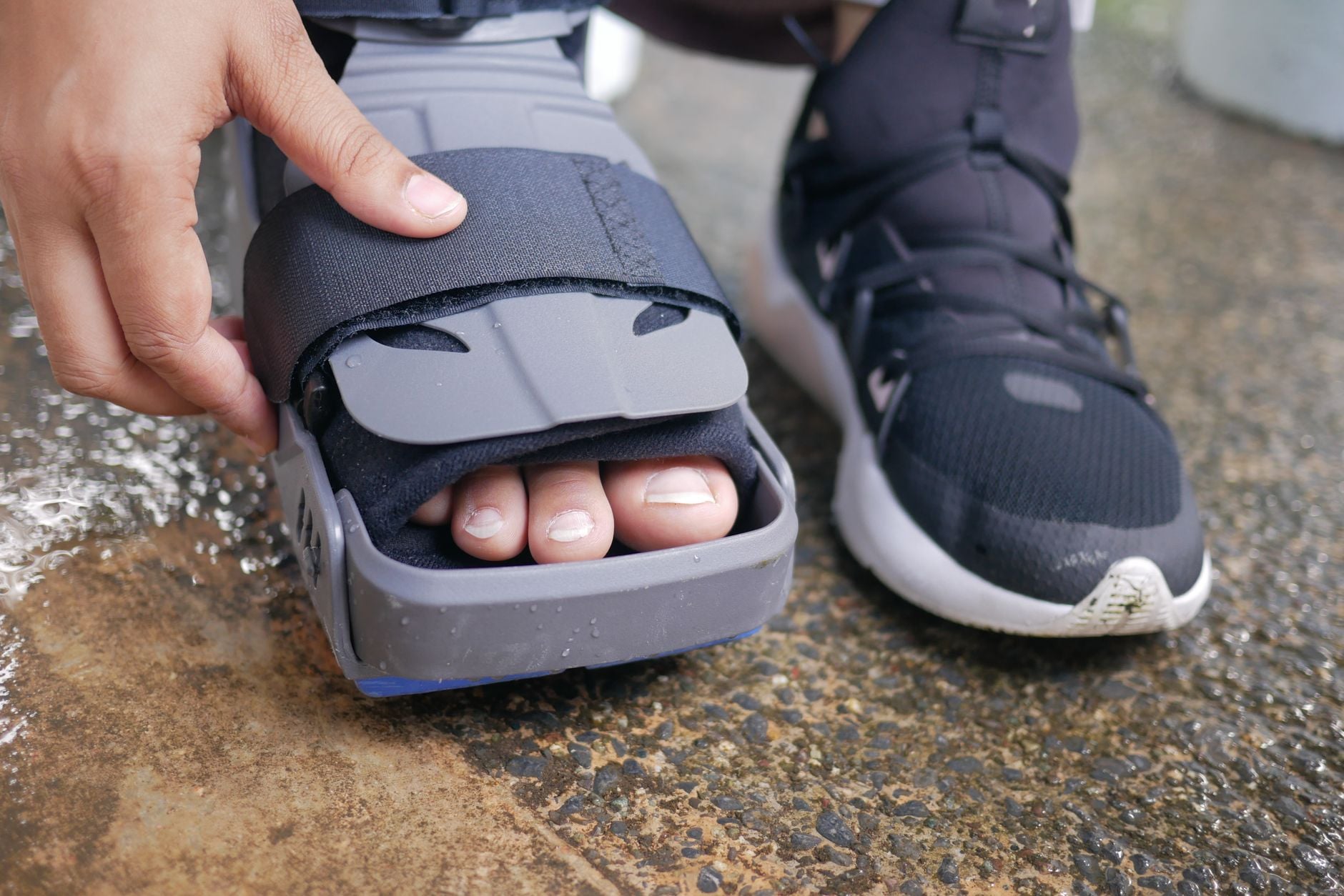
Professional healthcare footwear must resist substances that would damage ordinary shoes. Blood and bodily fluids require materials that don’t absorb, degrading with repeated exposure. Chemical disinfectants used in hospital cleaning damage many standard materials. Latex and other allergens demand hypoallergenic alternatives for workers and patients with sensitivities. Slip-resistant soles must maintain grip on wet floors without becoming sticky or uncomfortable.
Modern professional footwear solutions employ advanced materials specifically engineered for healthcare environments. Non-porous materials prevent fluid absorption. Chemical-resistant compounds withstand repeated exposure to harsh disinfectants. Specialized traction patterns grip wet floors reliably. Lightweight, breathable designs maintain comfort during extended shifts despite protective material characteristics.
Support Systems for Extended Standing and Walking
Healthcare workers move constantly, responding to patient calls, transporting equipment, conducting procedures. This continuous movement, combined with the physical demands of patient care, creates repetitive stress on feet, ankles, and lower back. Professional healthcare footwear must provide support characteristics that reduce cumulative strain.
Excellent arch support prevents collapse during extended standing. Cushioned midsoles absorb impact from continuous walking on hard floors. Firm heel counters stabilize ankles and prevent inward rolling that strains ligaments. Shock absorption reduces impact transmission through the lower body, preventing cumulative damage to knees, hips, and lower back. Crocs Italia professional lines incorporate these support characteristics, enabling healthcare workers to complete demanding shifts without evening foot pain.
Beyond Healthcare: Professional Footwear Across Industries
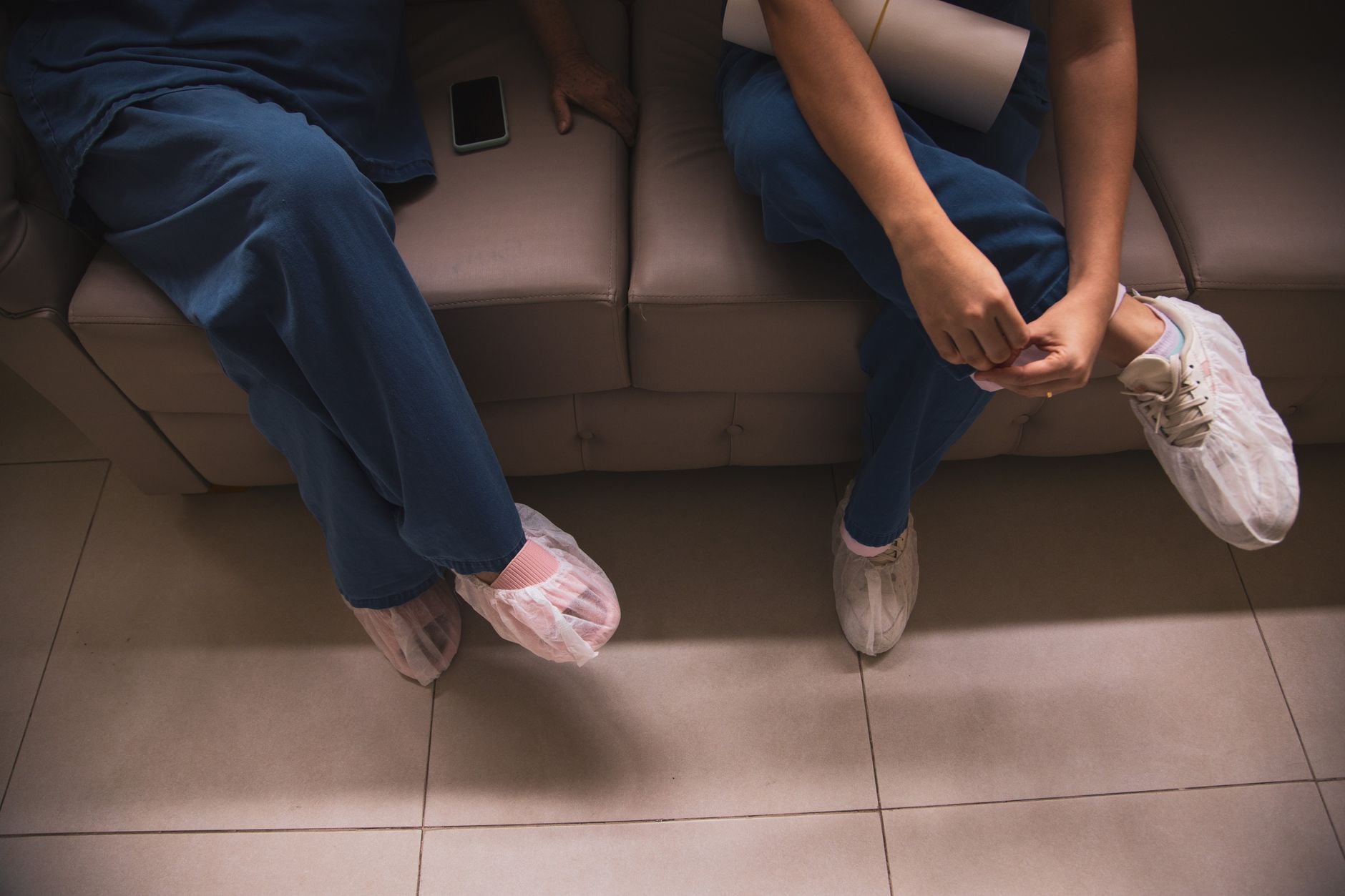
While healthcare represents the most demanding professional footwear environment, numerous other fields require specialized professional shoes. Laboratory technicians need chemical-resistant footwear. Kitchen workers require slip-resistant soles and durable materials. Manufacturing employees need protective features and durability. Construction professionals demand safety features like steel toes and reinforced uppers.
Professional footwear solutions vary by industry, but common themes emerge: slip-resistance, durability, chemical resistance where relevant, support for extended standing and activity, easy cleaning and sanitization, and professional appearance aligned with workplace standards. Understanding your industry’s specific requirements guides selection of appropriate professional footwear.
Building Your Professional Footwear System
Professional workers benefit from maintaining multiple pairs of work shoes, rotating between them to extend lifespan and allow material recovery. This practice prevents the accelerated deterioration that comes from daily continuous wear while ensuring backup footwear during unexpected damage or cleaning. Consider these five essential practices for professional footwear management:
- Prioritize slip-resistance in healthcare and food service environments. Testing soles’ grip on wet surfaces ensures they’ll perform reliably in actual work conditions.
- Verify that materials meet your workplace’s chemical resistance requirements. Some facilities demand specific resistance certifications; confirm compatibility before purchasing.
- Test extended wear comfort before committing to regular use. Wear potential work shoes for full shifts (or their equivalent duration) before making them your default.
- Maintain rotating pairs of work shoes. Alternating daily extends individual pairs’ lifespan while ensuring clean footwear is always available.
- Invest in support features appropriate for your activity level. Extended standing demands different characteristics than intermittent standing and walking.
The Professional Investment in Proper Footwear
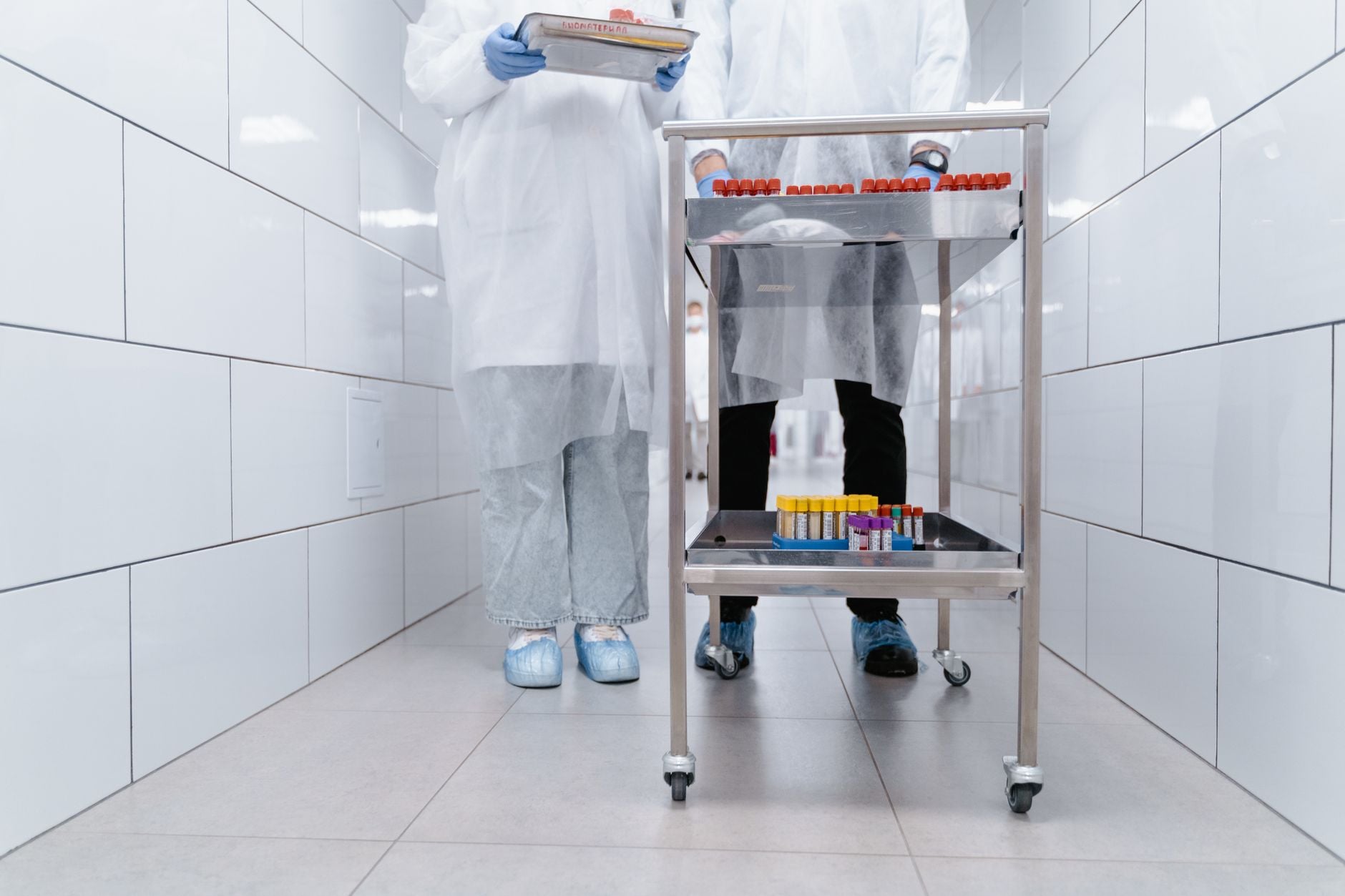
Professional healthcare and industrial footwear represents a significant investment—quality options often cost 100-200 euros per pair. However, this investment directly impacts worker safety, health, and career sustainability. Healthcare workers in proper professional footwear complete shifts without the chronic foot pain that leads to career-ending injuries. The reduced absenteeism, decreased injury rates, and improved worker retention resulting from adequate footwear often exceed the investment cost many times over.
Beyond economic calculations, proper professional footwear demonstrates respect for workers and recognition that their physical wellbeing matters. Organizations that provide or subsidize quality professional footwear signal that they value their workforce and understand that comfortable, supported employees perform better and remain with the organization longer.
Professional work deserves professional footwear, equipment engineered specifically for the demands you face. When your feet feel supported throughout demanding shifts, your entire work experience improves, your career sustainability increases, and the quality of your personal life benefits from reduced pain and enhanced wellbeing.

Aria Laurent is a travel and style enthusiast who captures the essence of glamorous journeys around the world. Her writing blends luxury experiences with authentic cultural moments, offering readers a refined perspective on modern travel. From boutique hotels to hidden gems, Aria shares curated insights for those who seek beauty, elegance, and adventure in every destination.