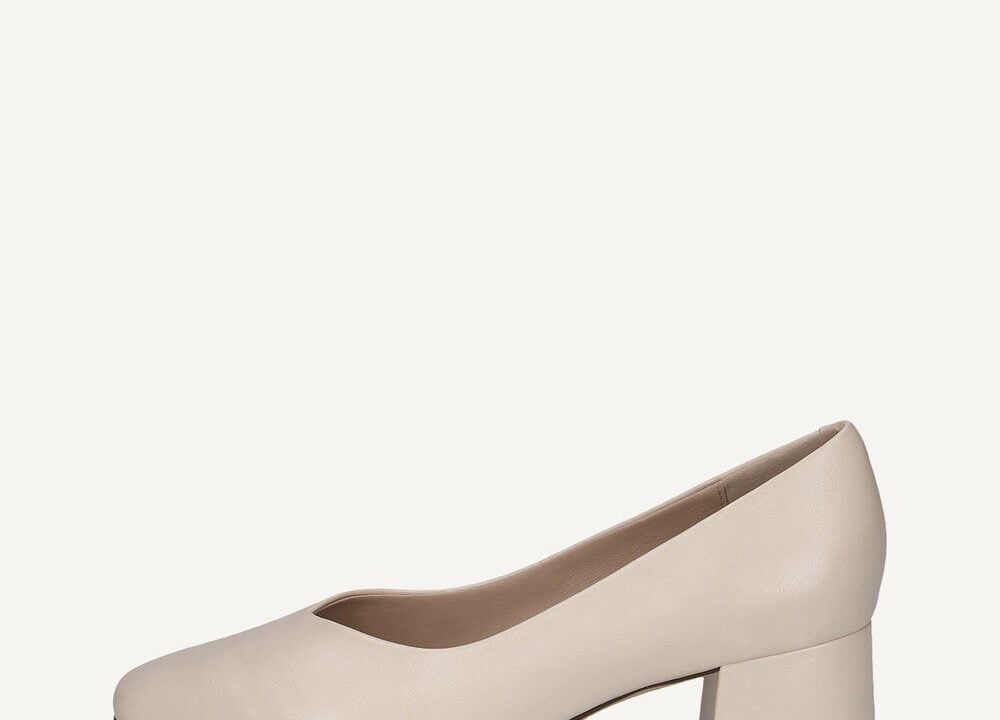

Quality shoes represent a significant investment, typically costing between 80 and 200 euros for genuinely well-constructed footwear. Yet most people treat their shoes like disposable commodities, wearing them until they fall apart and then replacing them. This approach transforms moderately expensive purchases into continuously depleted budgets. With proper care and intentional maintenance, quality shoes from manufacturers like Caprice Shoes can provide 5 to 10 years of reliable service, making the per-year cost remarkably economical while reducing environmental waste from discarded footwear.
Caring for shoes properly requires understanding just a few fundamental principles and committing to consistent habits. Most people learn that shoes need occasional cleaning and perhaps polishing, then assume they’ve covered shoe maintenance. In reality, comprehensive footwear care involves storage practices, moisture management, rotation strategies, and protective treatments that work together to preserve materials and extend lifespan dramatically. The difference between shoes that wear out in 18 months and those that serve for five years comes down to understanding and practicing these straightforward maintenance principles.
Understanding Shoe Materials and Their Care Requirements
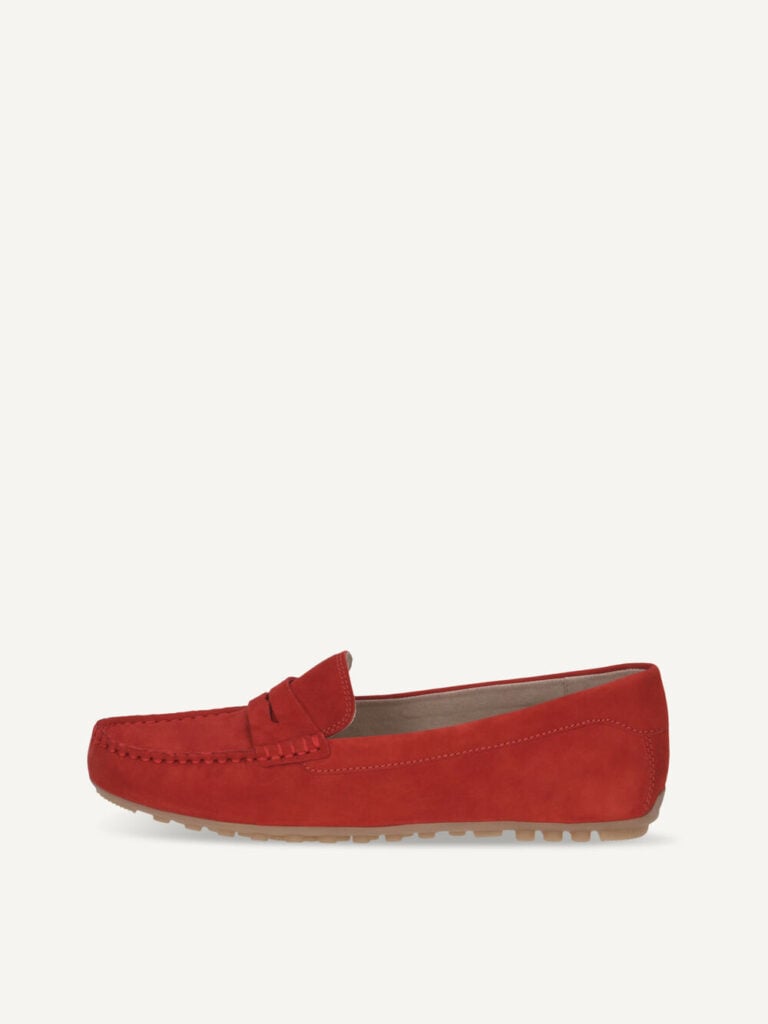
Different materials demand different care approaches. Leather, whether smooth, suede, or nubuck—requires fundamentally different treatment than canvas, synthetic textiles, or technical fabrics. Before implementing a care regimen, identify your shoes’ primary materials and any specialized components.
Quality leather shoes benefit from regular conditioning to prevent the material from drying and cracking. A good leather conditioner applied every 6-12 months maintains the material’s suppleness and resilience. Caprice Shoes products often feature premium leather that responds beautifully to proper conditioning, becoming softer and more beautiful over years of use rather than deteriorating.
Storage and Environmental Management
How you store shoes between wears significantly influences their longevity. Improper storage allows materials to warp, moisture to accumulate, and structural elements to deteriorate. Proper storage preserves the shoes’ shape, prevents mold and mildew growth, and maintains materials in optimal condition.
Store shoes in a cool, dry environment away from direct sunlight. Excessive heat causes leather to dry and crack, while sunlight fades colors and degrades materials. Cedar shoe trees preserve shape during storage and naturally repel odors and moths. If you can’t use cedar trees for all shoes, at least use them for your most expensive or most-worn pairs.
Remove moisture immediately after wearing shoes in wet conditions. Newspapers stuffed inside absorb moisture effectively and cost nothing. Replace newspapers every few hours until shoes are thoroughly dry. Never use direct heat like hair dryers or heaters, which can damage materials. Allow natural air drying at room temperature instead.
The Critical Practice of Shoe Rotation
Wearing the same shoes daily accelerates deterioration through several mechanisms. Moisture and perspiration accumulate inside shoes, creating conditions for bacterial growth and odor development. Structural elements compress continuously without recovery time. Materials don’t get the rest needed to maintain their shape and resilience.
Rotating between at least two pairs of everyday shoes extends both pairs’ lifespans significantly. A simple rotation allows materials to dry and recover between wears, reduces cumulative stress on structural elements, and prevents the accelerated deterioration that comes from continuous daily wear. If you rotate between three pairs, you multiply longevity even further.
Cleaning and Protective Treatments
Regular cleaning removes dirt and contaminants that accumulate during wearing and can cause permanent damage if left sitting. Weekly light cleaning—simply brushing away loose dirt with a soft brush, prevents buildup and keeps shoes looking fresh.
Deep cleaning every few months removes stubborn dirt and stains. For leather shoes, use a quality leather cleaner applied with a soft cloth. For canvas or textile shoes, a gentle scrub brush with mild soap and water works effectively. Allow shoes to dry naturally afterward.
Protective treatments create barriers that prevent damage before it occurs. Quality shoe protectant sprays repel water and stains, reducing the likelihood that liquids will soak into materials. Caprice Shoes benefit significantly from a protective coating applied regularly, particularly if you wear them in variable weather conditions.
Addressing Wear Patterns and Preventive Maintenance
Certain parts of shoes wear predictably. Heels deteriorate from ground contact; toes scuff from pavement; insoles compress from weight and friction. Proactive maintenance addresses these wear patterns before they become severe.
Professional heel rebuilding replaces worn heel material, restoring shoes that might otherwise be discarded. This single repair typically costs 20-40 euros and can add years to a pair’s life. Similarly, professional sole replacement can refresh shoes that are otherwise in excellent condition. Caprice Shoes premium construction makes them ideal candidates for professional repair, which often makes economic sense compared to replacement.
Building Your Shoe Care Routine
Consistent maintenance habits preserve shoes better than occasional intensive care. Consider these five fundamental practices for extending footwear lifespan:
- Invest in proper tools: shoe trees, soft brushes, quality leather conditioner, and protective sprays. These inexpensive items prevent costly damage and extend shoe life dramatically.
- Establish a rotation system with at least two pairs of everyday shoes. This reduces stress on individual pairs and allows materials recovery time between wears.
- Clean shoes regularly and address spills immediately. Don’t wait for dirt and stains to set permanently into materials.
- Condition leather shoes every 6-12 months, applying a quality conditioner that restores suppleness and prevents drying and cracking.
- Use professional repair services when heels wear, soles separate, or structural issues emerge. Professional rebuilding often costs less than replacement and preserves shoes for years.
The Economics and Satisfaction of Shoe Longevity
Proper shoe care transforms economics dramatically. A pair of shoes costing 150 euros that lasts five years costs 30 euros annually. The same shoe neglected and replaced every 18 months costs 100 euros annually. The choice between careful maintenance and disposable attitude represents a 70-percent difference in annual footwear costs.
Beyond economics, maintaining quality shoes creates satisfaction that doesn’t exist with disposable consumption. As shoes age with proper care, they develop character—leather softens and molds to your feet, colors deepen, surfaces patina. Your shoes improve with age rather than degrading. This transformation creates genuine attachment to items you’ve invested in and maintained thoughtfully.
Quality shoes deserve quality care. When you understand the straightforward practices that preserve footwear, maintaining your shoes becomes effortless habit rather than daunting chore. The result: footwear that improves with age, costs less per year, and creates satisfaction that disposable shoes could never provide.

Luca Moretti is a global lifestyle writer with a passion for storytelling through travel, fashion, and urban exploration. Inspired by vibrant cities and timeless destinations, he creates content that reflects sophistication and curiosity. Luca’s work focuses on helping readers discover unique places, elevated experiences, and the art of living stylishly on the move.