
We walk an average of 10,000 steps daily, which means we spend approximately 3,000 hours per year on our feet. Yet most people give more thought to choosing a breakfast cereal than selecting the shoes that support them through this monumental amount of physical activity. Your feet—literally the foundation of your entire body, deserve better. Finding the perfect everyday shoe requires understanding your personal biomechanics, gait patterns, and lifestyle demands, combined with knowledge of what genuinely comfortable shoes should feel like. Caprice Shoes represents the philosophy that everyday footwear shouldn’t require painful breaking-in periods or afternoon aches.
The transformation from uncomfortable shoes to genuinely supportive everyday wear is profound. When your feet feel good, your entire day improves. You stand taller, move with greater confidence, and experience none of the afternoon pain that leads you to collapse on the sofa. Discovering footwear that combines comfort, durability, and aesthetic appeal is genuinely achievable when you know what qualities to prioritize.
Understanding Your Personal Foot Biomechanics
Before shopping for shoes, understand your feet. Are you prone to overpronation (your foot rolling inward excessively when walking)? Do you have high arches, flat arches, or neutral arches? Are your feet naturally wide, narrow, or average? These biomechanical characteristics dramatically influence which shoes will genuinely support you versus which will cause pain and fatigue.
A simple self-assessment provides basic insight: walk barefoot on a wet floor and examine your footprint. A full footprint indicates flat feet requiring stability-focused shoes. A curved print with minimal inside contact indicates high arches needing cushioning and flexibility. Most people fall somewhere in the middle, requiring balanced support.
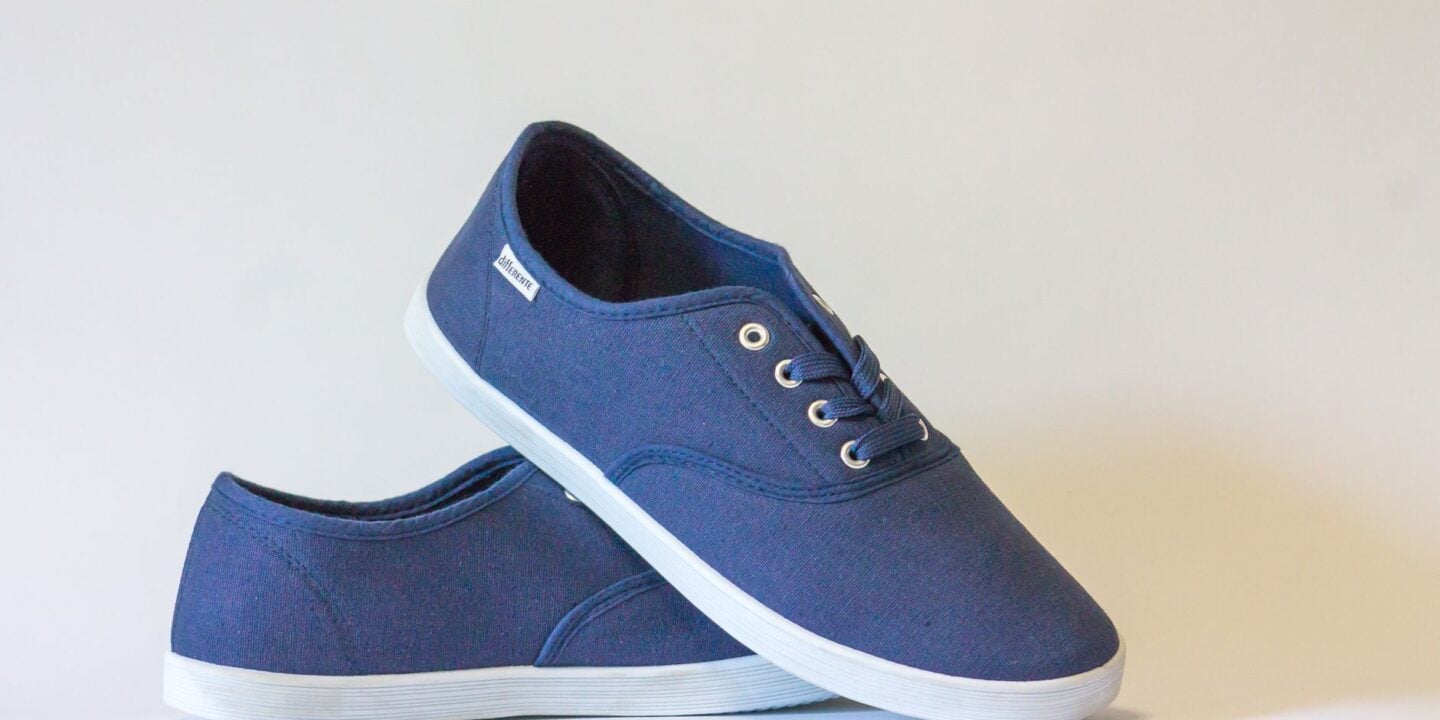
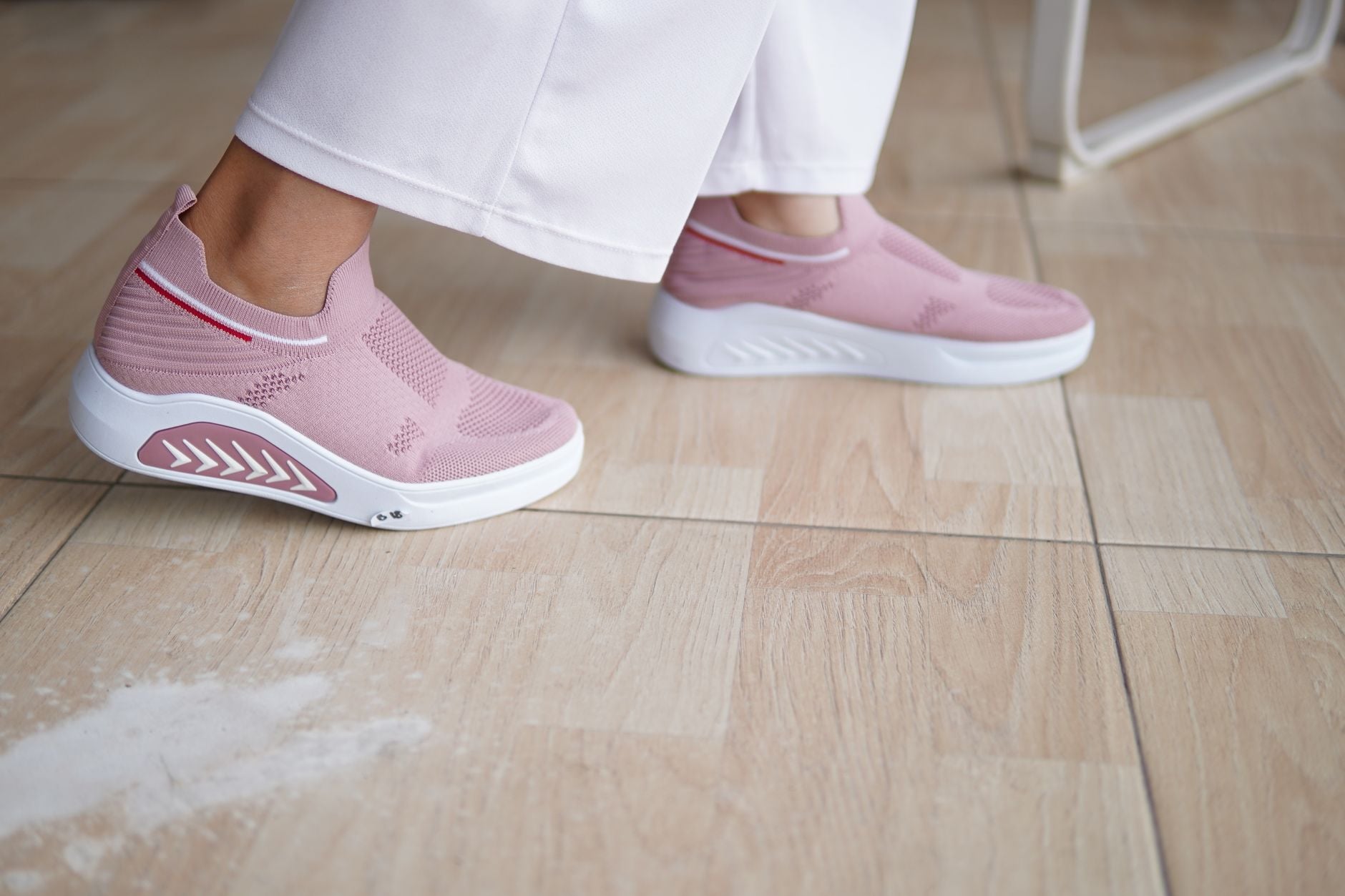
Caption: Caprice Shoes designs everyday footwear that supports diverse foot types and walking patterns.
The Architecture of Genuinely Comfortable Shoes
Comfortable shoes share common architectural principles that prioritize foot health. The heel-to-toe drop (the difference in height between heel and forefoot) should be modest, typically 4-10mm. Excessive drop (10mm+) places stress on calf muscles during all-day wear, while minimal drop (0-4mm) suits experienced barefoot walkers but challenges those accustomed to traditional shoes.
Heel counter firmness provides crucial ankle stability. A soft, mushy heel counter allows excessive ankle movement, creating fatigue and potential strain. A firm heel counter maintains ankle position while allowing natural motion. Quality everyday shoes from manufacturers like Caprice Shoes prioritize heel counter engineering that prevents excessive motion without feeling restrictive.
Midsole cushioning matters, but not in the way many assume. More cushioning doesn’t necessarily mean more comfort. Dense, responsive midsoles that compress predictably feel better than mushy, overly soft materials that create instability. The ideal everyday shoe provides enough cushioning to absorb impact while maintaining ground feel and proprioceptive feedback.
Materials and Breathability for All-Day Wear
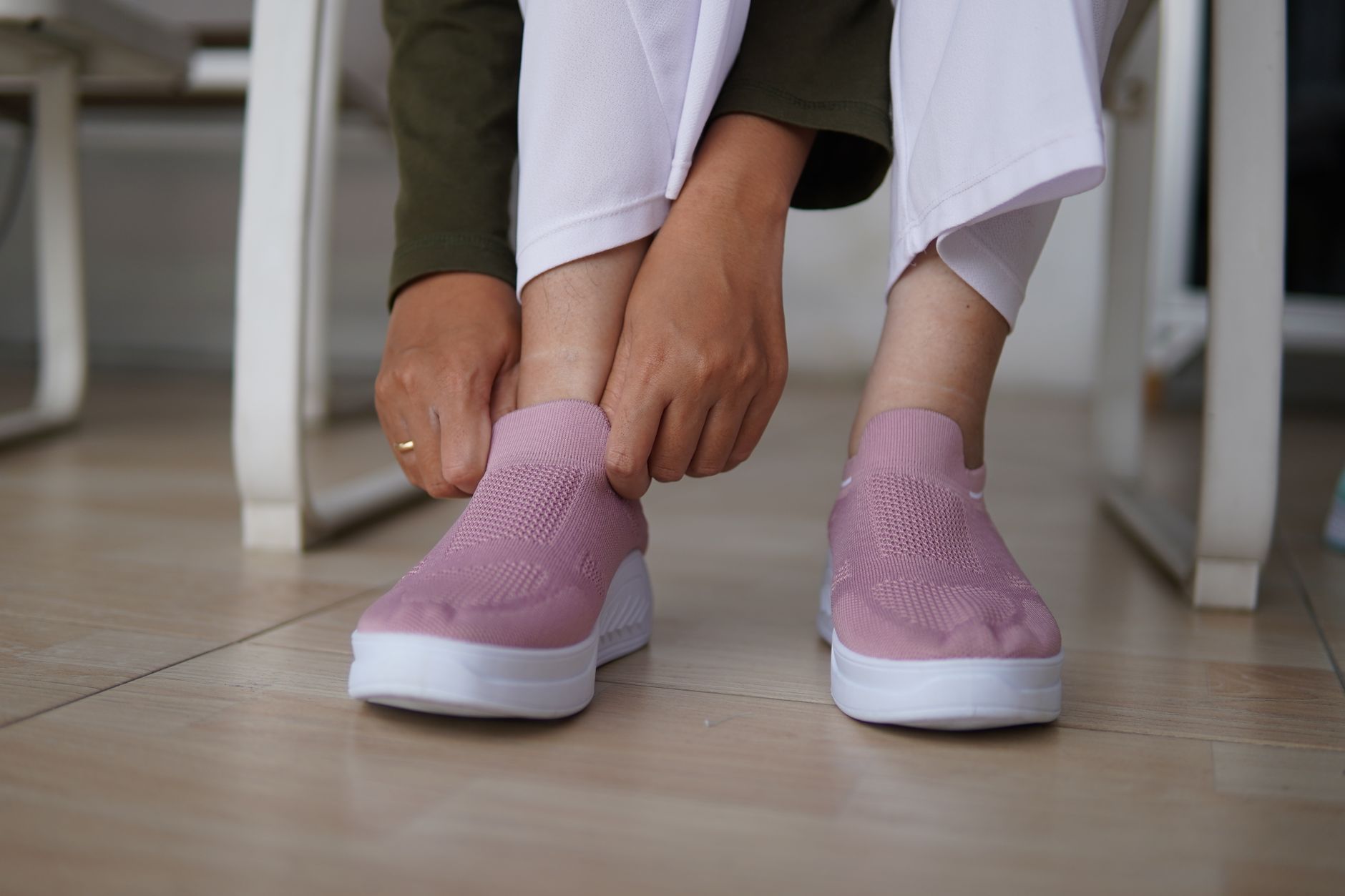
Materials chosen for everyday shoes dramatically influence comfort during extended wear. Synthetic fabrics might be waterproof, but they create hot, sweaty feet during normal activity. Caprice Shoes emphasizes natural materials and breathable construction that allow feet to regulate temperature and moisture.
Leather represents the gold standard for everyday shoe construction. Quality leather breathes naturally, molds to your feet over time, and ages beautifully. Premium leathers provide comfort immediately, without a brutal breaking-in period. When you try on leather shoes, they should feel comfortable within minutes, not require weeks of painful adjustment.
The Critical Distinction Between Style and Fashion
Everyday shoes must serve dual purposes: supporting your feet through daily activity while looking intentional and put-together. The difference between style and fashion proves critical here. Fashion changes; style endures. A pair of genuinely comfortable shoes with timeless styling becomes a wardrobe anchor you’ll wear for years. Trendy shoes you can’t wear comfortably get relegated to decorative closet space.
Prioritize neutral colors and classic silhouettes that coordinate with your existing wardrobe. A pair of cream, black, or gray everyday shoes with traditional styling works with nearly every outfit. Distinctive colors or trendy designs limit their utility and create future regret when fashion moves forward but your feet haven’t changed.
Building Your Everyday Shoe Selection Strategy
Most people benefit from owning at least two pairs of everyday shoes. Different styles suit different occasions and seasons, plus rotating shoes extends their lifespan by allowing materials to rest and recover between wears. Consider these five fundamental priorities when selecting everyday footwear:
- Test shoes with the specific type of socks or hosiery you’ll wear daily. Shoe fit changes dramatically with different sock thickness, so wear what you’ll actually pair them with during final fitting.
- Shop in late afternoon when feet have swollen slightly from daily activity. Feet are largest at the end of the day, ensuring you don’t select shoes that feel tight after several hours of wear.
- Walk in shoes for at least 10 minutes before purchasing. Comfort during a brief try-on doesn’t guarantee all-day comfort. You need to experience how they actually perform during walking.
- Accept that breaking-in periods should be minimal. Quality everyday shoes from Caprice Shoes feel comfortable from the first day. If shoes require painful breaking-in, they likely won’t ever feel right.
- Invest in quality over quantity. One genuinely comfortable, well-constructed pair serves you far better than multiple pairs of cheap shoes that never feel right and require replacement annually.
The Health Benefits of Proper Everyday Footwear
Wearing genuinely supportive everyday shoes prevents a cascade of foot, ankle, knee, and back problems that develop from inadequate support over years. Plantar fasciitis, heel pain, bunions, and chronic lower back pain often originate from repeatedly wearing shoes that don’t properly support your unique biomechanics.
Beyond pain prevention, proper shoes enhance your overall wellbeing. When your feet feel good, you’re more likely to walk, stand, and remain active. Poor footwear encourages sedentary behavior as foot pain makes activity unpleasant. Quality everyday shoes actually facilitate a more active, healthier lifestyle by removing the physical discomfort that discourages movement.
Finding shoes that feel like you’re walking on clouds might feel like an impossible dream, but it’s entirely achievable. It requires prioritizing function over trendiness, testing thoroughly before purchasing, and investing in quality from manufacturers who understand that everyday footwear deserves serious engineering attention.

Luca Moretti is a global lifestyle writer with a passion for storytelling through travel, fashion, and urban exploration. Inspired by vibrant cities and timeless destinations, he creates content that reflects sophistication and curiosity. Luca’s work focuses on helping readers discover unique places, elevated experiences, and the art of living stylishly on the move.