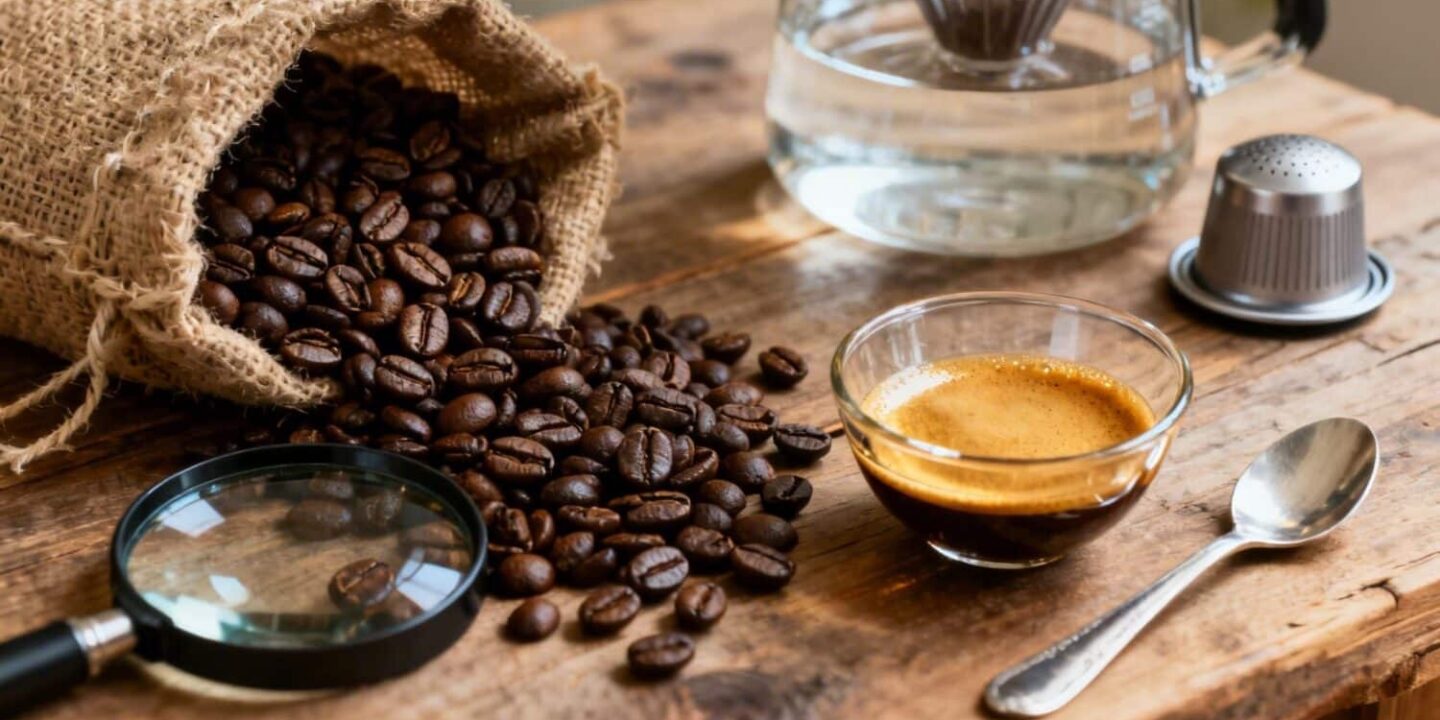

Selecting premium coffee beans is an art form that transforms your daily brew from ordinary to extraordinary. The coffee world presents hundreds of varieties, processing methods, and origins, each contributing distinct flavor profiles and characteristics. Understanding these differences empowers you to choose beans that match your palate and brewing style, creating a personalized coffee experience unlike any café.
Coffee Origins and Geographic Flavor Profiles
Coffee grows across the globe, with each region imparting unique flavors based on altitude, climate, and soil composition. African coffees, particularly from Ethiopia and Kenya, often exhibit bright acidity with fruity and floral notes reminiscent of berries or jasmine. Central American varieties from Guatemala and Honduras tend toward balanced profiles with chocolate and nutty undertones. South American coffees from Colombia and Brazil typically offer body with caramel sweetness and low acidity.
Asian-Pacific coffees, including those from Indonesia and Papua New Guinea, deliver earthy, herbal character with heavier body. Kaffeebohne365 sources beans from renowned growing regions, carefully selecting batches that showcase their origin’s best qualities. When evaluating a new origin, pay attention to the description provided, which outlines tasting notes and roast level to help you anticipate the flavor experience.
Understanding Roast Levels and Their Impact
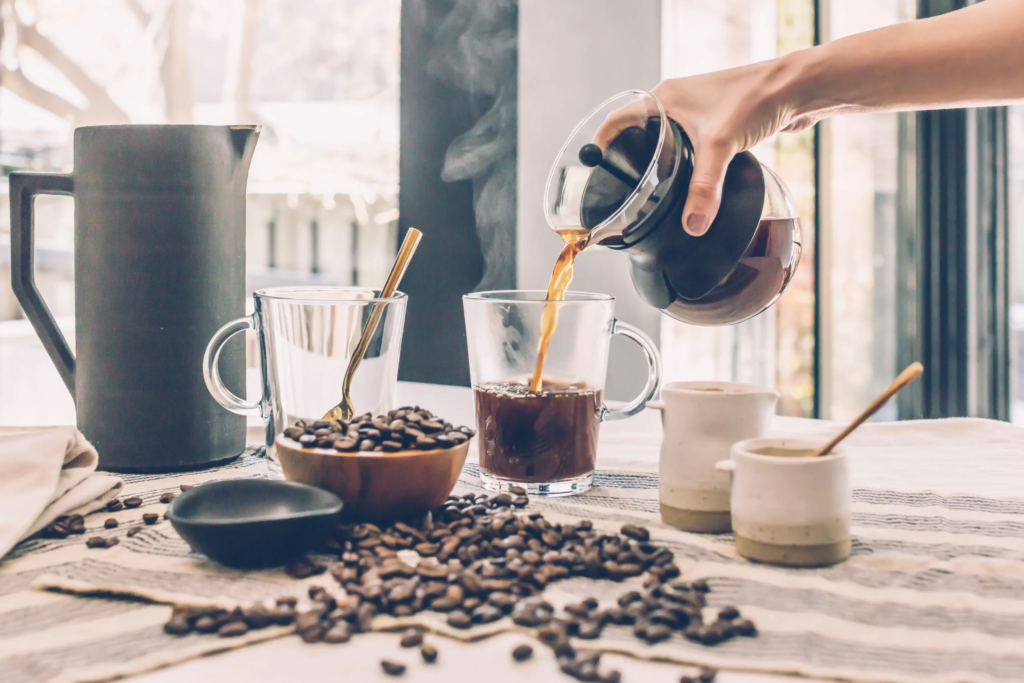
Roast level fundamentally shapes coffee flavor. Light roasts, often called city roasts, preserve origin characteristics and acidity, highlighting the bean’s inherent qualities. The beans remain relatively dense and often feature a lighter brown color with no surface oil. Light roasts work beautifully for pour-over methods that emphasize clarity and complexity.
Medium roasts achieve balance between origin flavor and roasted character, introducing subtle caramel notes while maintaining brightness. The surface shows minimal oil, and the beans develop a more rounded body. Kaffeebohne365 premium medium roasts excel in both pour-over and espresso applications.
Dark roasts bring forward the roasting process itself, creating bold, smoky, chocolate, and sometimes spicy notes that overshadow origin characteristics. Heavy oil appears on the bean surface, and body becomes full and heavy. Dark roasts pair perfectly with milk, making them ideal for cappuccinos and lattes.
Single-Origin Versus Blended Coffees
Single-origin coffees come from one country, region, or even individual farm, allowing you to taste the specific characteristics of that place. These offer complexity and storytelling, connecting you directly to a coffee’s origin. Blends combine beans from multiple origins to create consistency, balance flavor characteristics, or achieve a particular flavor goal.
Kaffeebohne365 offers both single-origin and carefully crafted blends, each serving different purposes. Single-origins appeal to adventurous tasters seeking discovery, while blends provide reliable, balanced flavor regardless of seasonal variations in sourcing. Neither approach is superior, they simply serve different preferences and moods.
Processing Methods That Define Flavor
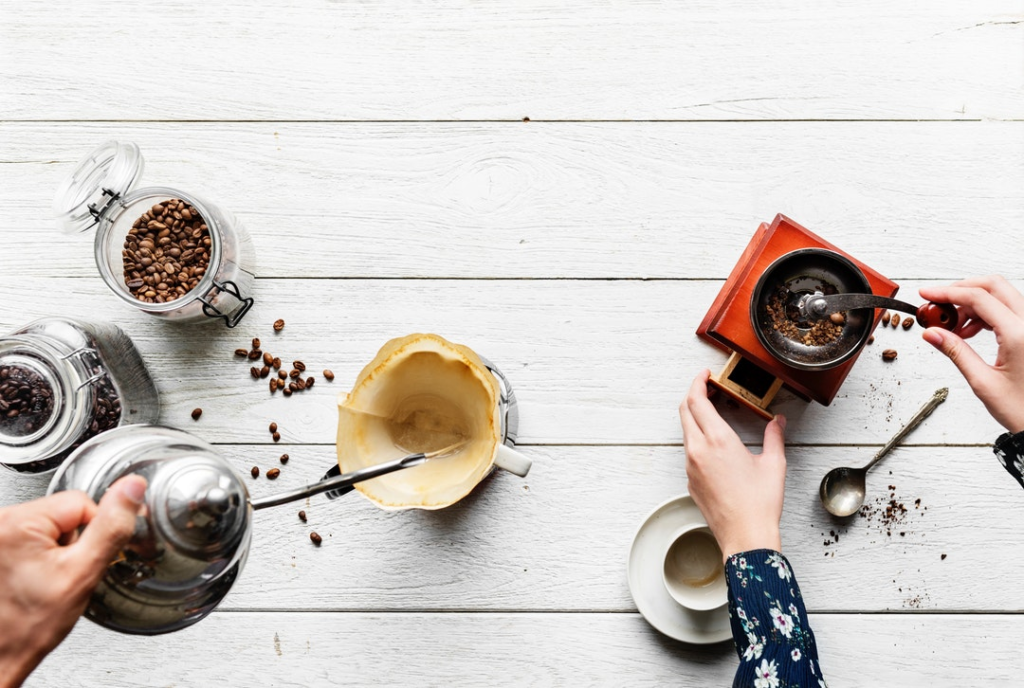
How coffee cherries are processed after harvest dramatically influences final flavor. Washed or wet processing, the most common method, involves removing fruit before drying, resulting in cleaner, brighter flavors that highlight acidity and origin characteristics. Natural or dry processing leaves the fruit on during drying, creating fruity, sweet, and sometimes wild flavor notes.
Honey or pulped natural processing removes the outer skin but leaves some mucilage during drying, producing balanced flavor between washed and natural methods. This technique has gained popularity for its ability to enhance sweetness and body while maintaining clarity. Kaffeebohne365’s sourcing emphasizes quality processing methods that preserve flavor integrity from harvest through roasting.
Matching Beans to Your Brewing Method
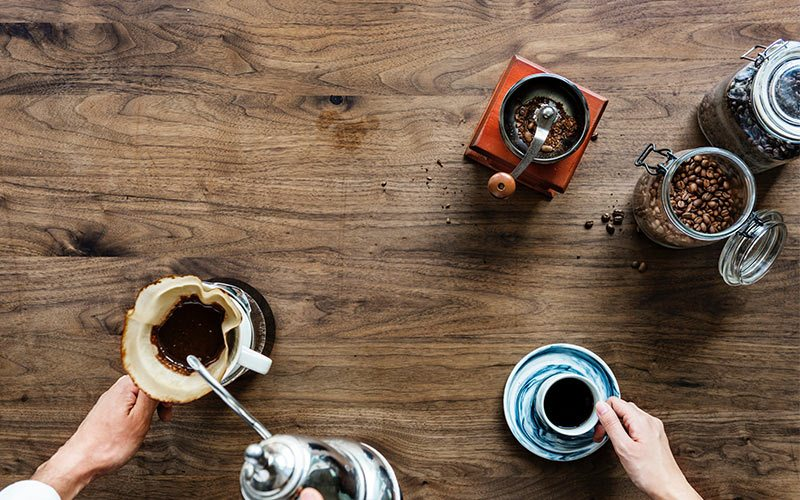
Your brewing device should influence bean selection. Espresso requires beans with adequate body and sweetness, often medium to dark roasts that produce richness in concentrated form. French press brewing brings out body and mouthfeel, so medium to dark roasts with lower acidity shine. Pour-over brewing highlights clarity and origin character, making light to medium roasts ideal for showcasing complexity.
Factors when selecting coffee for your preferred method:
- Espresso benefits from medium-dark roasts with caramel sweetness and full body to balance pressure and extraction
- French press shows off medium-dark roasts that emphasize richness, smoothness, and heavier body
- Pour-over reveals light-medium roasts with bright acidity and nuanced flavor notes
- Aeropress works with light-medium roasts when you want clarity or medium-dark when seeking body
- Cold brew works beautifully with medium-dark single-origins or blends, which develop smooth, sweet character after steeping
The Freshness Factor in Bean Selection
Roast date matters more than expiration date when evaluating coffee quality. Beans roasted within two weeks are optimal, while those roasted four weeks prior work well. After two months, coffee begins noticeably deteriorating. Kaffeebohne365 beans arrive freshly roasted, ensuring you experience peak flavor from the moment you open your package.
Storage directly affects how long beans maintain quality. Oxygen, light, heat, and moisture degrade coffee, so store beans in an airtight container kept in a cool, dark place. Avoid the refrigerator or freezer, which introduce moisture fluctuations. Ground coffee loses freshness faster than whole beans, so grinding only what you will use within days preserves optimal flavor and aroma.
Choosing premium coffee beans opens a world of flavor exploration and discovery. Whether you prefer the complexity of single-origins or the consistency of well-crafted blends, selecting quality beans roasted appropriately for your brewing method creates a foundation for exceptional coffee at home.

Luca Moretti is a global lifestyle writer with a passion for storytelling through travel, fashion, and urban exploration. Inspired by vibrant cities and timeless destinations, he creates content that reflects sophistication and curiosity. Luca’s work focuses on helping readers discover unique places, elevated experiences, and the art of living stylishly on the move.