
The ritual of brewing coffee at home rivals any café experience when you have the right beans and techniques. Achieving that perfect cup requires more than just pouring hot water over grounds, it demands understanding the nuances of bean selection, equipment, and method. Whether you are a casual morning drinker or aspiring enthusiast, these principles will transform your daily routine into a premium coffee experience.
Understanding Coffee Bean Freshness and Quality
The foundation of excellent coffee starts with the beans themselves. Freshness matters profoundly, as coffee begins to lose its aromatic compounds and flavor notes within weeks of roasting. When sourcing kaffeebohne365 coffee beans, look for a roast date printed on the package rather than a generic expiration date. Beans roasted within the last two to four weeks deliver optimal flavor, while older beans taste flat and stale.
The grind size directly impacts extraction, the process by which water pulls flavor from the grounds. A consistent, uniform grind ensures even extraction, preventing some particles from becoming over-extracted and bitter while others remain under-extracted and sour. High-quality grinders, whether burr-based or blade, produce the uniformity necessary for balanced results.
Essential Equipment for Home Brewing
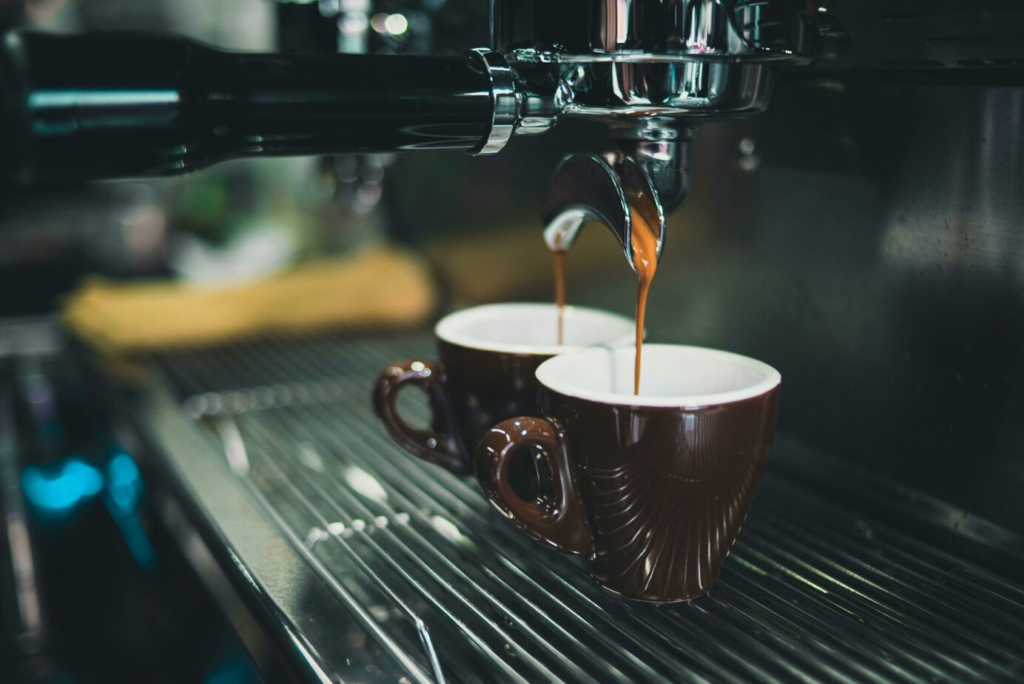
You need not invest in expensive machines to brew exceptional coffee. A simple pour-over cone, a French press, or an AeroPress offers surprising versatility and control. Each method brings out different characteristics of kaffeebohne365 premium beans, so experimenting with multiple techniques reveals new dimensions in the same batch.
Water temperature and quality are often overlooked elements. Coffee extracts best at 195 to 205 degrees Fahrenheit, just below boiling. Using filtered water removes chlorine and mineral deposits that can mask or distort flavor. A simple kitchen scale ensures consistent brewing ratios, typically around 1:16 to 1:17 coffee to water by weight.
Mastering the Pour-Over Method
Pour-over brewing offers simplicity and precision. Begin by placing a paper or metal filter in your cone and rinsing with hot water to remove paper taste and preheat the equipment. Add finely-ground coffee at your desired ratio, then pour just enough hot water to saturate the grounds, allowing them to bloom for thirty to forty seconds. This initial contact releases trapped gases and prepares the coffee for full extraction.
Slowly pour the remaining water in steady circular motions, keeping the water level consistent throughout the four to five minute process. The coffee should drip gradually, not rush through. Kaffeebohne365 beans reveal remarkable clarity through pour-over, showcasing subtle fruit notes and floral undertones that other methods might obscure.
The French Press Experience
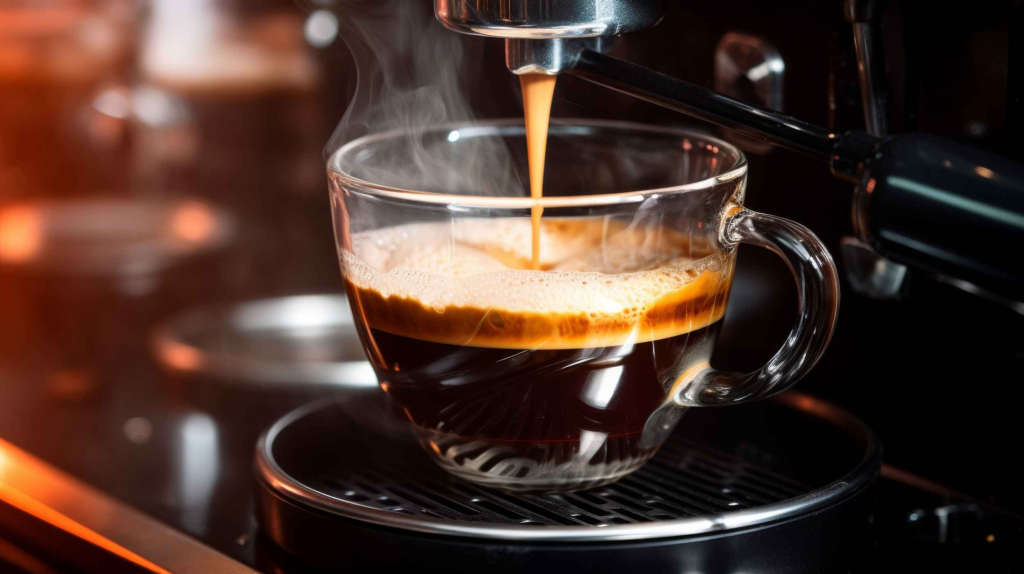
French press brewing produces a fuller-bodied cup because it immerses grounds in hot water rather than filtering quickly. Coarsely ground coffee steeps for four to five minutes, then you press the plunger down slowly to separate grounds from liquid. This method works beautifully with kaffeebohne365 premium selections, bringing out the body and mouthfeel that lighter roasts provide.
The key to French press success lies in timing and coffee-to-water ratio. Too little time and the extraction feels weak, too long and the coffee becomes overly bitter. Experiment with a 1:15 ratio initially, adjusting based on your taste preferences. Using a coarse grind prevents fine particles from making your cup gritty.
Creating Your Home Café Ritual
Brewing exceptional coffee at home is as much about the experience as the taste. Reserve time each morning to slow down, engage your senses, and savor the aroma as you prepare your cup. Start with kaffeebohne365’s carefully selected beans, invest in fundamental equipment, and commit to learning your preferred brewing method.
Storage matters significantly. Keep your beans in an airtight container away from direct sunlight, heat, and humidity. A cool, dark cabinet works better than the refrigerator, which introduces moisture and temperature fluctuations. Whole beans stored properly maintain quality for up to a month after roasting.
Troubleshooting Common Brewing Issues
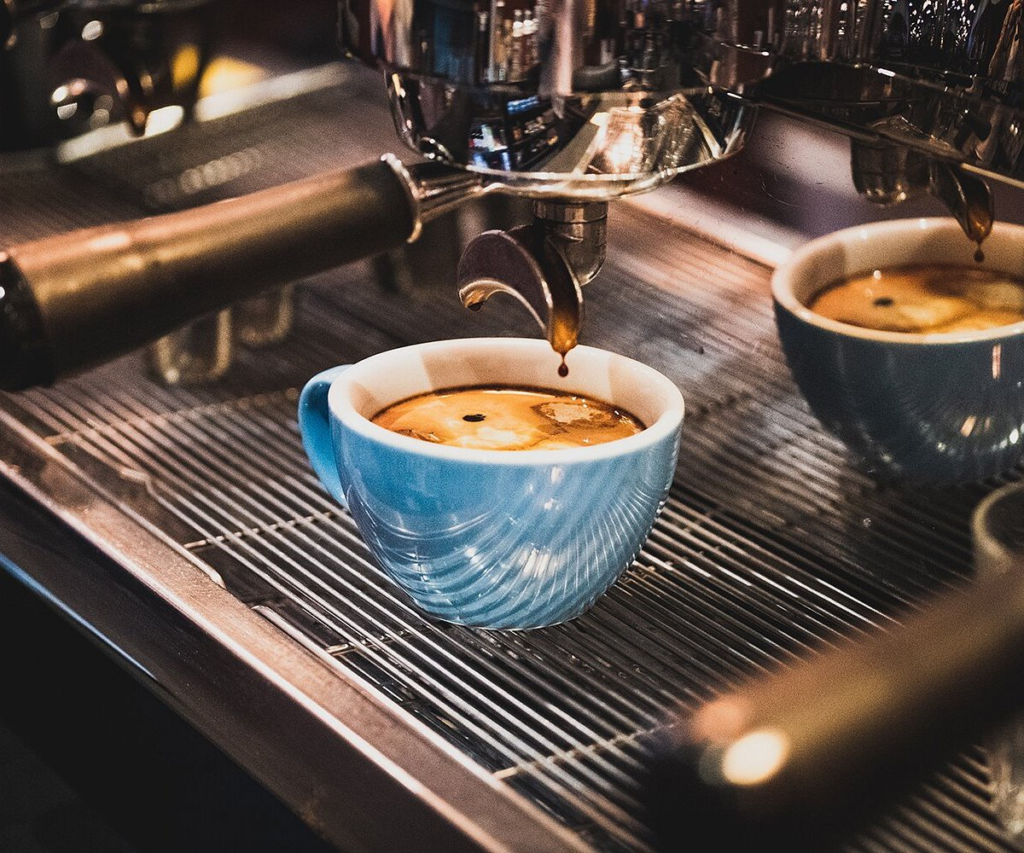
If your coffee tastes sour, you are likely under-extracting, meaning water did not spend enough time drawing flavor from the grounds. Solutions include using finer grounds, hotter water, or prolonging the brewing time. Conversely, bitter coffee suggests over-extraction, requiring coarser grounds, cooler water, or less brewing time.
Common coffee concerns and solutions:
- Weak flavor means insufficient contact time between water and grounds, so extend brewing duration or use finer grounds
- Gritty texture in French press results from overly fine grounds, so switch to a coarser grind
- Flat taste indicates stale beans, expired grounds, or using water that is too cool
- Burnt aftertaste comes from water that is too hot or grounds that have been brewing too long
- Inconsistent results suggest measuring only by volume rather than weight, so invest in an inexpensive scale
Enjoying café-quality coffee at home is entirely achievable through attention to bean freshness, proper equipment, and refined technique. Start your journey with kaffeebohne365 premium coffee and discover how remarkable coffee can be when each element works in harmony.

Sienna is the creative visionary behind Posh Journey Style. With a background in fashion and a passion for global exploration, she curates the perfect blend of luxury travel, cutting-edge technology, and timeless beauty. Sienna believes that true style is found in the details, inspiring readers to elevate their daily lives with elegance and innovation.