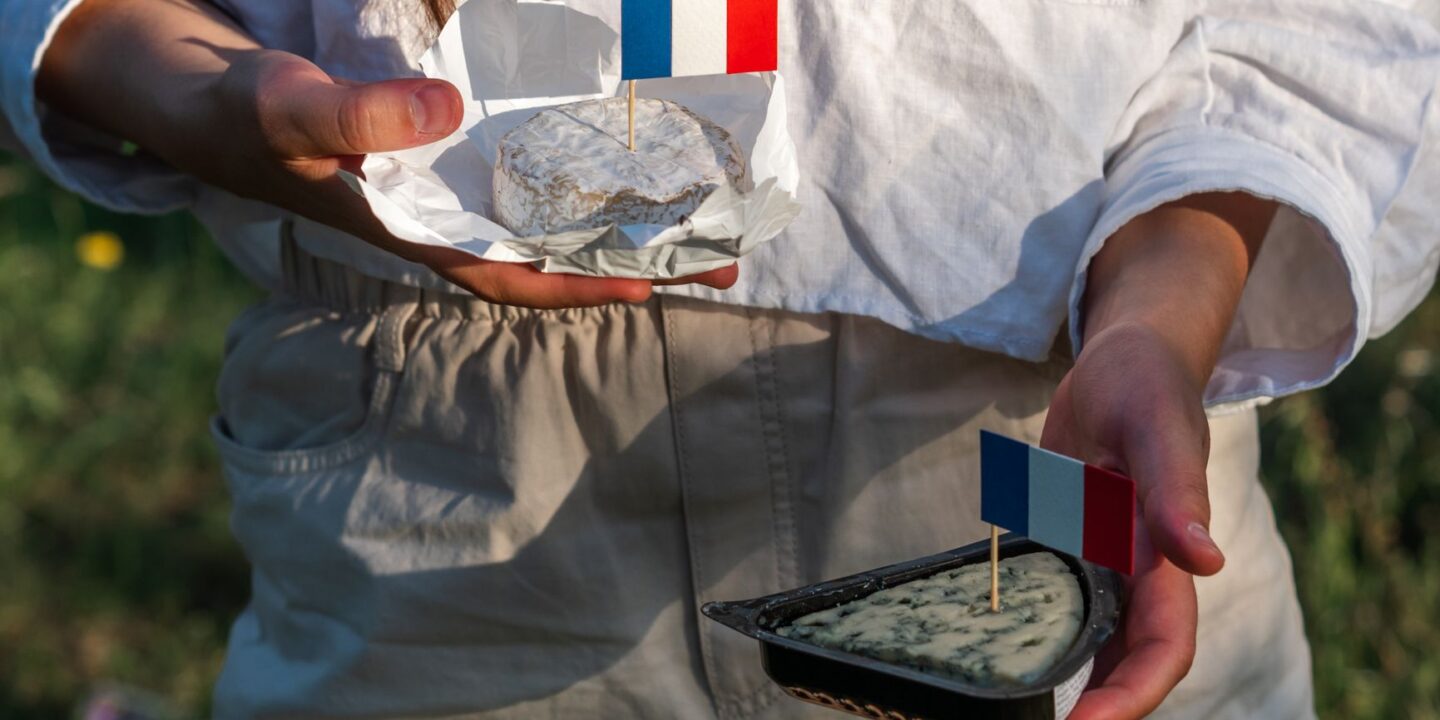

When you step into a traditional French kitchen or a local market in Provence, you notice something immediately apparent: the food tastes different. It tastes like history, care, and centuries of craftsmanship compressed into every jar, every bottle, every carefully prepared product. This isn’t accidental. French food culture runs on principles of authenticity, natural ingredients, and family heritage that have been passed down through generations. The products that line French pantries tell stories, not just of flavor, but of the communities that created them.
For many families seeking to bring genuine quality into their homes, exploring authentic French family products offers a window into a different approach to food and home essentials. These aren’t industrial commodities designed for mass appeal. Instead, they represent a commitment to methods proven over time, ingredients sourced with intention, and recipes that respect both tradition and nutrition. When you choose products rooted in French heritage, you’re choosing a connection to something deeper than convenience.
The Foundation of French Food Heritage
French culinary tradition rests on several core principles that distinguish it from other food cultures. The first is simplicity: using fewer, better ingredients rather than many mediocre ones. The second is technique: methods refined over centuries to extract maximum flavor and nutritional value. The third is respect for source, whether that means knowing where honey comes from or understanding the history of a particular recipe.
This heritage approach influences everything from preserves to oils to specialty items you might find in a French family products collection. When a product carries years of family tradition behind it, the quality shows. You taste it in the depth of flavor. You see it in how a natural preserve holds its color and texture. These are signs that someone cared deeply about what was being created.
Natural Ingredients as the Heart of Quality
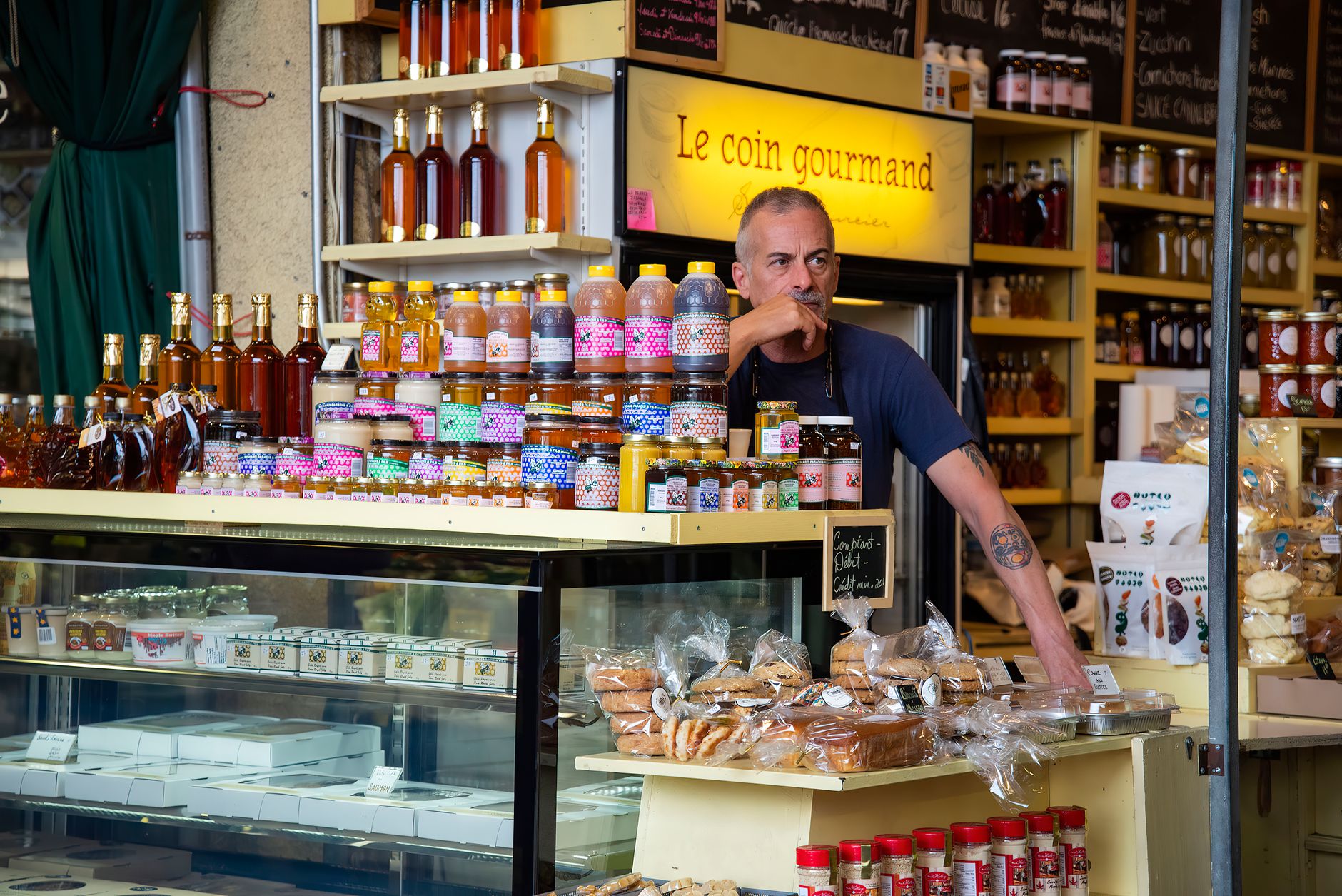
One of the most striking differences between heritage French products and mass-produced alternatives is the commitment to natural ingredients. In French kitchens, the ingredient list isn’t treated as fine print. It’s the foundation of trust. A natural preserve made with fruit and sugar speaks for itself. No artificial thickeners, no mystery additives, no unnecessary chemicals extending shelf life at the cost of integrity.
Families across France have long understood that what you bring into your home matters. When you choose products that honor natural quality standards, you’re making a deliberate choice about what nourishes your family. This approach extends to how products are stored, how they’re packaged, and how they’re transported. Every step considers the final quality the consumer will experience.
Natural ingredients also age differently than their synthetic counterparts. A honey sourced from specific flowers in a particular region doesn’t just taste better, it carries the nutritional profile of those flowers. A traditional preserve made without pectin develops a different texture and flavor profile than one made with additives. These differences matter to anyone who has tasted both side by side.
Family Recipes Passed Through Generations
Behind many of the finest French products are recipes that have been protected and refined by the same families for decades, sometimes centuries. These aren’t recipes found in cookbooks. They’re part of family identity. They include small details that don’t appear in written instructions, details that only come from watching a grandmother work, from tasting hundreds of batches, from understanding the feeling of when something is ready.
When you select family-rooted French products, you’re accessing that accumulated knowledge. You’re benefiting from decisions made by people who tested and retested to find the exact ratio of ingredients. You’re tasting the result of generations asking, “How can we make this better without changing what makes it special?” That’s a different product entirely from something designed by marketing teams and focus groups.
The Difference in Taste and Nutrition
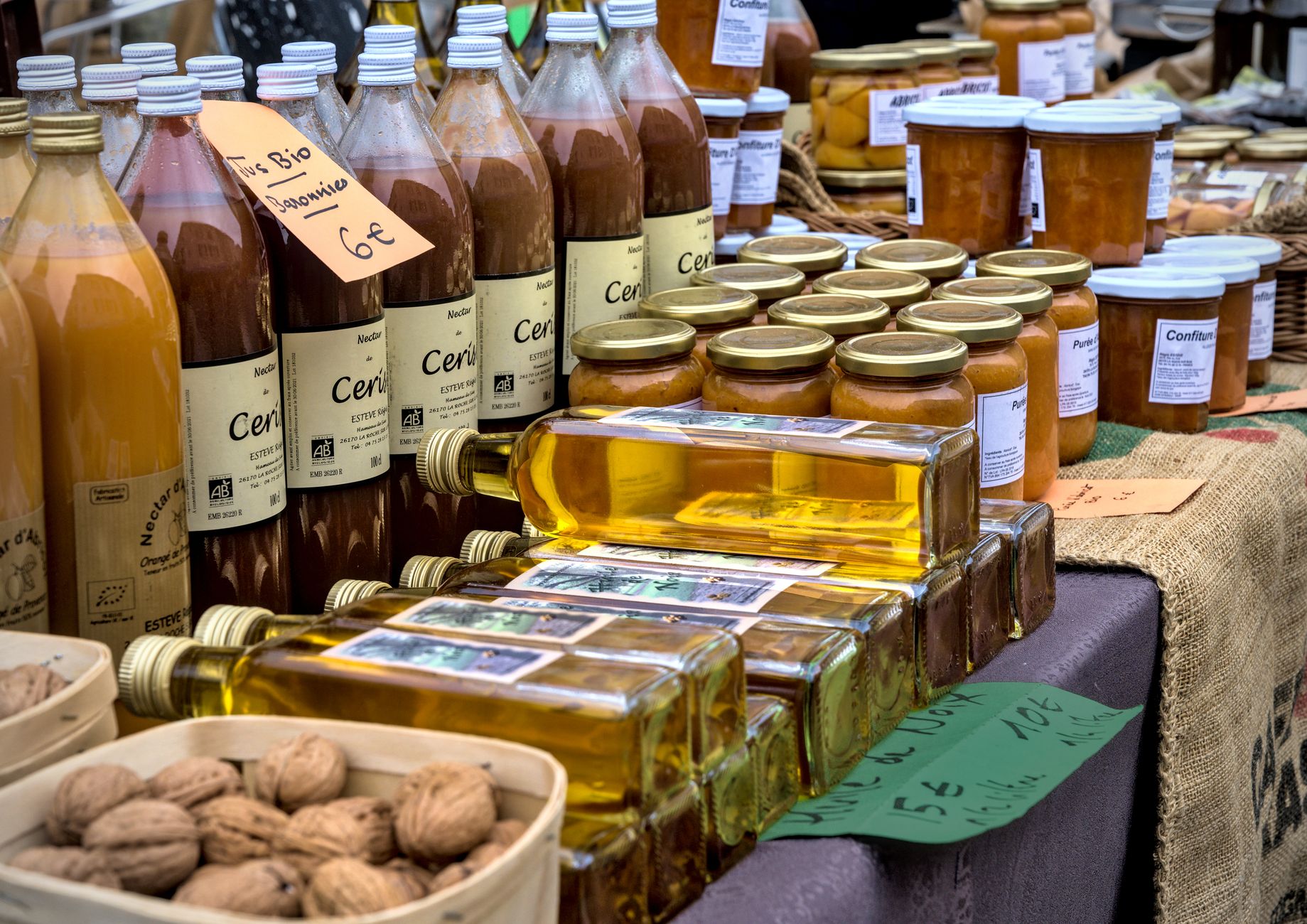
Most people notice the taste difference immediately. A traditional French preserve tastes more concentrated, more alive. A honey made by small producers has complexity and subtlety. An oil made from specific varietal olives has character. These aren’t marketing claims. They’re actual sensory experiences that any consumer can verify themselves.
Beyond taste, the nutritional profile often differs. When ingredients are fewer and simpler, when processing methods respect the food rather than transforming it, the nutritional value stays more intact. This is one reason French families have traditionally preferred fresh and minimally processed foods. The method preserves what makes the food valuable in the first place.
Building a Pantry of Authentic Choices
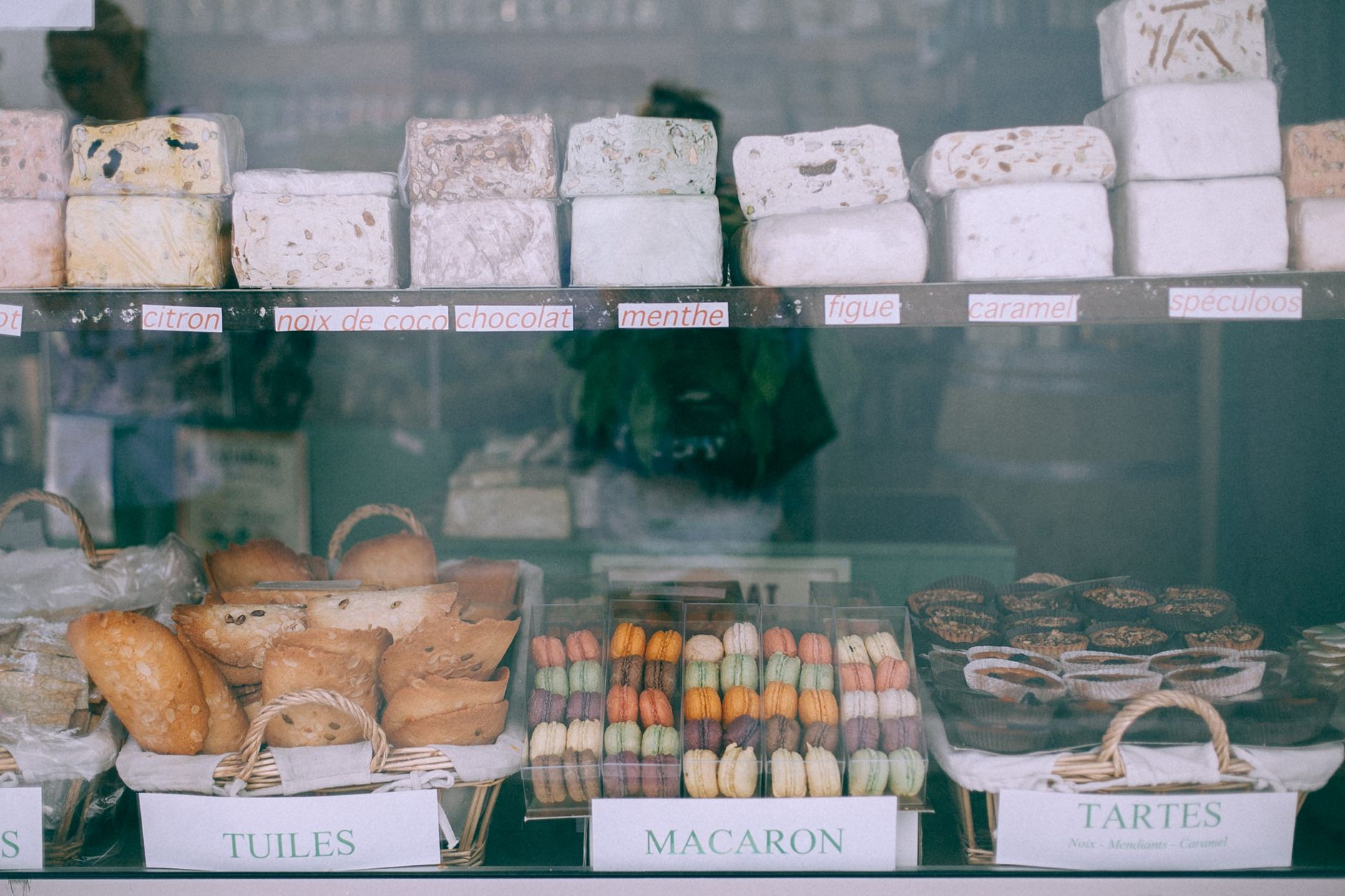
Creating a home stocked with authentic French family products doesn’t require overhauling your entire kitchen. It starts with understanding what matters most to you and your family. Here’s what most people find when they begin exploring this direction:
- Natural preserves and honeys become staples because they elevate everything from breakfast toast to evening desserts with genuine flavor
- Oils and vinegars make cooking easier because their quality means you can use less and achieve more depth
- Specialty items become go-to gifts because they represent quality and thoughtfulness in ways mass-produced alternatives cannot
- The cost per use often becomes lower because products are more concentrated and require smaller portions
- Your own cooking improves because better ingredients make even simple dishes taste restaurant-quality
The transition to choosing products rooted in authentic heritage and natural quality is fundamentally an investment in your family’s relationship with food. It’s recognizing that what you eat matters, that how it’s made matters, and that access to genuinely good food is worth seeking out.
This is what French family traditions have always known. It’s worth discovering for yourself.

Sienna is the creative visionary behind Posh Journey Style. With a background in fashion and a passion for global exploration, she curates the perfect blend of luxury travel, cutting-edge technology, and timeless beauty. Sienna believes that true style is found in the details, inspiring readers to elevate their daily lives with elegance and innovation.