
Gardens possess remarkable potential for transformation, yet many homeowners abandon unused outdoor spaces assuming fundamental redesign requires professional landscapers and substantial budgets. Strategic planning combined with thoughtful plant selection and modest structural improvements can resurrect neglected gardens into thriving sanctuaries that provide food, flowers, and genuine soul-satisfying peace. This guide explores practical transformation strategies that yield dramatic results without requiring extensive experience or excessive expenditure.
Assessing Your Current Space and Opportunities
Before implementing changes, spend time observing your garden throughout the day and across seasons. Note sunlight patterns, water drainage, existing mature plants worth preserving, and areas where moisture stagnates or desiccates rapidly. Hu Open Air approaches garden design with respect for existing conditions, working alongside natural patterns rather than fighting them.
Identify priority areas for transformation. Perhaps a visible front garden receives guests first, making immediate visual impact crucial for home curb appeal. Or maybe a private rear space serves personal retreat functions, justifying investment in comfort elements. Understanding functional priorities guides design decisions and resource allocation toward maximum impact on your actual lifestyle.
Soil Preparation and Foundation Building
Healthy gardens begin with healthy soil, yet many transformations neglect this invisible foundation. Conduct basic soil testing to understand pH, nutrient content, and structural composition. Overgrown gardens often have depleted soil from years of extraction without replenishment, making amendment essential for new plant success. Adding aged compost, well-rotted manure, or specialized amendments transforms lifeless earth into living ecosystem supporting robust growth.
Proper drainage determines whether your garden thrives or stagnates. Amending heavy clay with organic matter improves water retention in sandy soils while enhancing drainage in clay-heavy conditions. Hu Open Air designs incorporate drainage solutions that prevent waterlogging while maintaining healthy soil moisture for optimal plant performance.
Strategic Plant Selection and Placement
Overcrowded gardens fail because plants compete for light, water, and nutrients without clear design vision. Begin transformation by carefully selecting plants matching your specific light and moisture conditions. Shade-loving hostas belong under tree canopies, while sun-worshipping coneflowers flourish in open exposures. Respecting these basic requirements prevents struggling plants and constant replacement frustration.
Diverse plantings at varying heights create visual interest while maximizing space efficiency. Tall grasses frame shorter perennials, while groundcovers fill gaps between established specimens. Layer your plantings in three-dimensional compositions rather than linear arrangements, creating depth that makes modest spaces feel larger and more sophisticated.
Hardscape Elements and Structural Improvements
Strategic pathways guide visitors through your garden while defining separate zones for different activities. Simple gravel paths or stepping stones prevent soil compaction while adding visual interest. Stone edging delineates planting beds from lawn, creating finished appearance that elevates entire garden aesthetics without requiring extensive materials or installation skill.
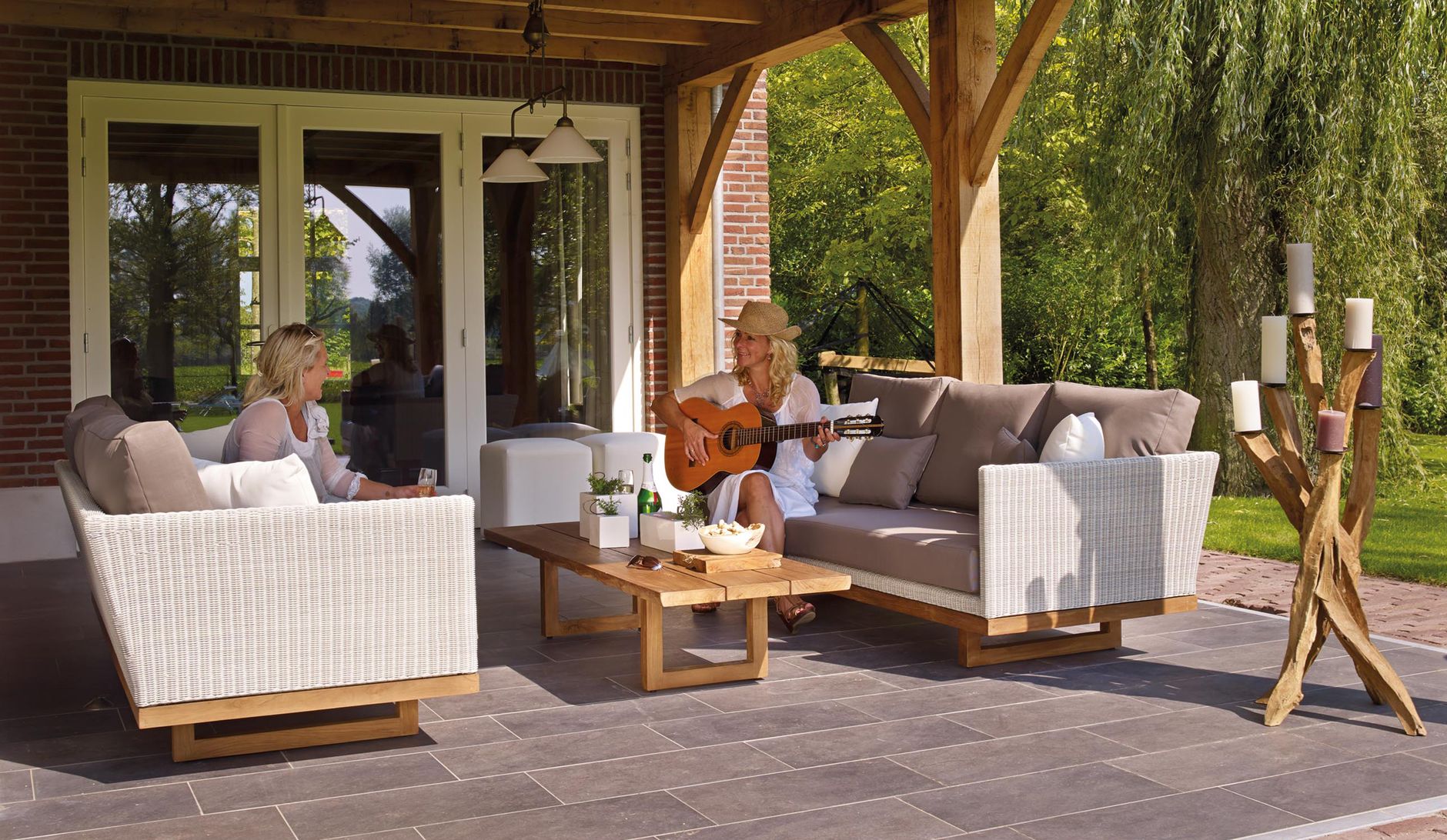
Seating areas positioned within your garden create contemplative spaces where you’ll actually spend time appreciating your work. A simple bench nestled beneath flowering shrubs provides morning coffee spots or evening reflection zones. Arbors and pergolas add vertical interest while creating partial shade perfect for reading or quiet observation of your developing garden.
Specialized Garden Zones
Vegetable gardens prove immensely rewarding for first-time growers, offering visible harvests and genuine kitchen value. Raised beds improve drainage while elevating growing zones to ergonomic heights that spare your back. Hu Open Air vegetable garden solutions adapt to varying space constraints, from full landscape integration to discrete production areas.
Pollinator gardens attract butterflies, bees, and beneficial insects that extend vegetable productivity while creating dynamic visual movement. Native plant selections support local ecosystems while thriving without excessive intervention. These living gardens practically maintain themselves once established, providing endless fascination and supporting broader environmental health.
Water Feature Integration
Even small water features transform garden ambiance through gentle sound and visual interest. Simple birdbaths attract wildlife while requiring minimal maintenance. Larger ponds create focal points supporting aquatic plants and fish, transforming static gardens into living ecosystems. Modern recirculating fountain systems provide water movement and soothing sounds without the complexity of traditional pond maintenance.
Strategic water placement influences microclimate and plant performance. Positioning water features where morning light catches them creates sparkling morning garden enjoyment. Placing larger features away from tree canopies prevents leaf litter accumulation, reducing maintenance without sacrificing design benefits.
Seasonal Interest and Year-Round Appeal
Transformed gardens maintain interest across seasons through thoughtful plant selection balancing spring bloomers, summer performers, and fall color sources. Winter structures like ornamental grasses, seedpods, and evergreen foliage provide visual architecture during dormant months. This multi-seasonal approach ensures your transformed garden remains compelling regardless of calendar month.
Including plants with varied bloom times extends color progression throughout the growing season. Early bulbs transition to spring perennials, summer bloomers carry color through heat, while late-season asters and sedums extend autumn interest. Strategic plant selection creates continuous garden evolution without requiring constant replanting or intervention.
Maintenance Strategies for Long-Term Success

Sustainable transformation requires management approaches matching your available time and energy. Mulching reduces weeding while improving soil health. Established perennials require far less maintenance than annuals, yet offer superior long-term value and ecosystem support. Hu Open Air designs prioritize low-maintenance solutions that deliver sophisticated aesthetics without becoming burdensome projects.
Your garden transformation unfolds gradually, improving year over year as plantings mature and your design vision clarifies. Approach changes strategically, prioritizing immediate impact areas while maintaining patience for slower-developing elements to reach full potential. This gradual approach yields sustainable gardens reflecting personal vision rather than exhausting overwhelming projects.

Luca Moretti is a global lifestyle writer with a passion for storytelling through travel, fashion, and urban exploration. Inspired by vibrant cities and timeless destinations, he creates content that reflects sophistication and curiosity. Luca’s work focuses on helping readers discover unique places, elevated experiences, and the art of living stylishly on the move.