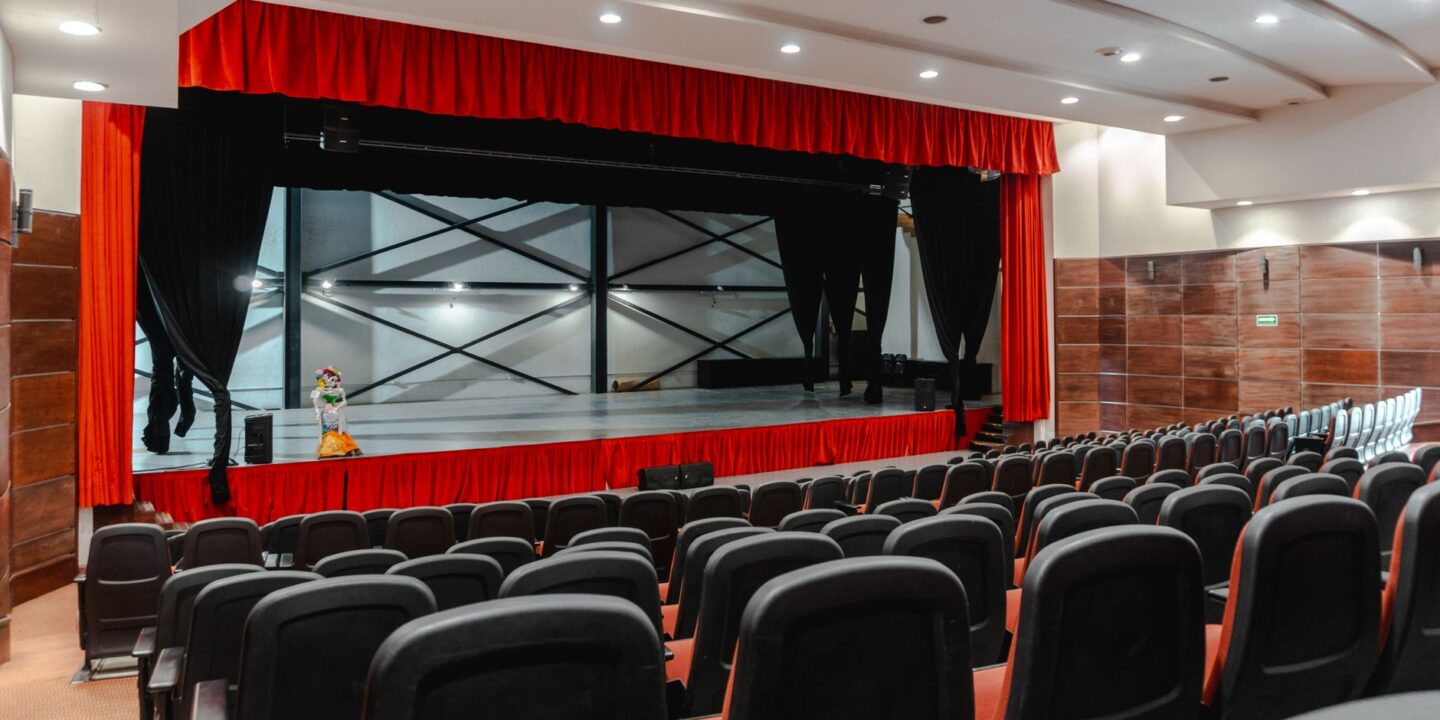

Creating immersive theatrical worlds requires discipline different from film production. Cinematographers can cut, edit, and enhance visuals through post-production. Stage designers work within fixed physical space, no second takes, no digital enhancement. Every magical effect depends on precise timing, clever mechanical engineering, and actor coordination. The Harry Potter theatrical production demonstrates how sophisticated stage design solves problems that filmmakers solve through cutting and effects. Sets transform in seconds. Magic occurs through choreography and lighting rather than digital effects. The production’s technical sophistication rivals film production while maintaining theater’s immediacy and presence.
Set Design as Character and World
Film establishes locations through establishing shots and camera movement. Theater establishes locations through what actors inhabit physically. Stage designers for Harry Potter theater productions create spaces where actors move, interact, and transform their environment through performance. Sets become characters themselves—they communicate narrative information, establish mood, and provide surfaces where magical moments occur. The restricted physical space demands that every design element serves multiple narrative purposes. Staircases become character monuments. Walls transform through lighting and projection. The stage becomes a puzzle that designers solve to deliver maximum theatrical impact within fixed constraints. Every square foot of stage space must work harder than equivalent screen space because it exists permanently, unavoidably visible to every audience member.

Technical Magic: How Theater Creates Impossible Moments
Film magic happens in editing rooms. Theatrical magic happens in real time through mechanical engineering and actor coordination. Harry Potter on stage requires props that function exactly on cue, lighting that transforms spaces instantly, and actor choreography that creates illusions without digital assistance. A broom flies because engineers designed mechanics that work precisely. Characters transform because actors coordinate movement with lighting changes. Spells land because timing connects sound design with physical effects. This theatrical magic creates wonder precisely because audiences can witness the ingenuity—you see how effects work while experiencing their impact. The mechanical engineering required rivals film special effects complexity, yet everything must work in real time without possibility of correction or editing.
Lighting as Invisible Character
Film lighting is invisible—cinematographers light scenes without audiences noticing the technical work. Theatrical lighting is equally invisible in effect but immediately apparent as a theatrical element. Lighting designers for Harry Potter productions use color, intensity, and direction to transform mood and space. A room becomes haunting through amber darkness. A moment becomes intimate through focused spotlights. Magic becomes visible through light effects rather than digital compositing. Audiences appreciate the technical sophistication while experiencing emotional impact—theatrical lighting works as both technical marvel and narrative tool. A single lighting change transforms the emotional tenor of a scene, proving that sophisticated theatrical magic requires precise technical control.

Sound Design as Architectural Element
Film sound design exists on screen. Theatrical sound design exists in the auditorium around you. Harry Potter theater productions use sound to create spaces, establish mood, and enhance magical moments. Music swells at emotional peaks. Ambient sound creates environment. Magical effects become audible through precisely timed sound design. The audience experiences sound as part of the physical space rather than emerging from speakers—it surrounds them, immerses them, becomes part of the theatrical reality they inhabit. Sound engineering must account for theater acoustics, actor movement, and collective audience energy, creating complexity that film sound design avoids.
Costume and Movement
Stage costumes function differently than film costumes. They must be visible from theater distances while supporting actor movement and physical comedy. Harry Potter theatrical costumes balance accurate character representation with practical performance requirements. Robes must allow for climbing, fighting, and physical transformation. Designs must read from the back rows. Technical requirements shape aesthetic choices in ways film rarely demands. The result is costumes that support rather than hinder performance. Costume durability becomes critical—costumes must withstand repeated performances, quick changes, and physical demands that film costumes never encounter.

The Collaborative Complexity of Theatrical Production
Film production involves specialized crews working on isolated elements then combining them through editing. Theatrical production requires constant collaboration—set designers, lighting designers, sound designers, and actors coordinate in real time. A Harry Potter theatrical production succeeds when all these elements coordinate perfectly during each performance. This integration creates theatrical experiences that exceed the sum of individual technical achievements. The complexity required creates wonder audiences recognize—they sense the precision, coordination, and technical sophistication maintaining theatrical reality across multiple performances.
Repertory Performance and Technical Maintenance
Theater productions run repeatedly, sometimes for years. Technical systems must remain reliable across hundreds of performances. Harry Potter productions require maintenance teams ensuring mechanical effects work each performance, lighting systems function flawlessly, sound equipment operates consistently. This technical resilience requires different engineering than film—theatrical systems must be reliable under repeated use, not perfect in single recorded moments.
- Stage design creates immersive spaces through physical construction rather than camera angles
- Theatrical magic depends on mechanical engineering and precise timing rather than digital effects
- Lighting transforms environments and mood without audiences noticing the technical work
- Sound design creates architectural space the audience inhabits rather than observes
- Costume design balances character accuracy with practical performance requirements
Harry Potter on stage demonstrates theatrical production’s technical sophistication—creating magical worlds through design, engineering, and coordinated performance achieves wonder that rivals film’s special effects.

Sienna is the creative visionary behind Posh Journey Style. With a background in fashion and a passion for global exploration, she curates the perfect blend of luxury travel, cutting-edge technology, and timeless beauty. Sienna believes that true style is found in the details, inspiring readers to elevate their daily lives with elegance and innovation.