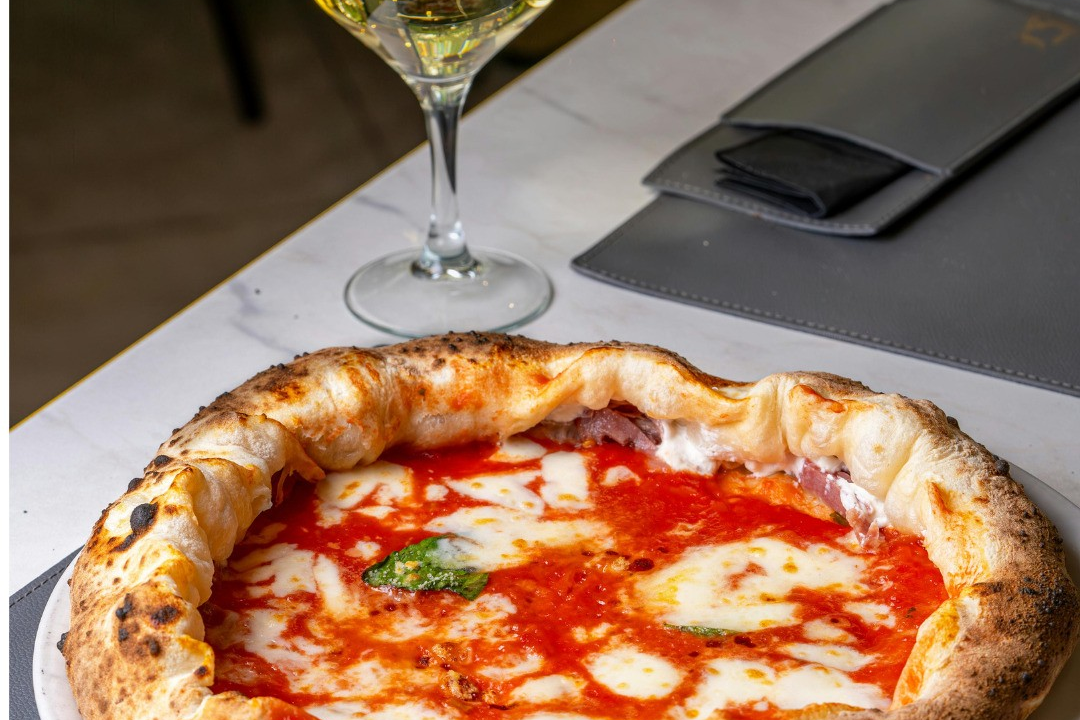

There’s a myth that good food comes from restaurants. That cooking at home is for people without access to professional chefs. But actually, home cooking is where Italian food culture lives. Restaurants serve tourists. Home cooking feeds families and perpetuates traditions. The most authentic Italian food is what mothers make, what grandmothers taught them, what families eat daily.
This matters because home cooking is where food culture survives. Recipes are passed down. Techniques are learned by doing. Traditions survive in kitchens, not restaurants. Gastrodomus supports home cooking by providing ingredients and knowledge so you can cook authentically at home.
The Knowledge That Lives in Hands, Not Books
Italian recipes aren’t precisely measured. They’re taught by observation and repetition. Nonna doesn’t say one tablespoon of salt. She says until it tastes right. She teaches by letting you watch, by letting you help, by correcting your technique until you understand how it feels.
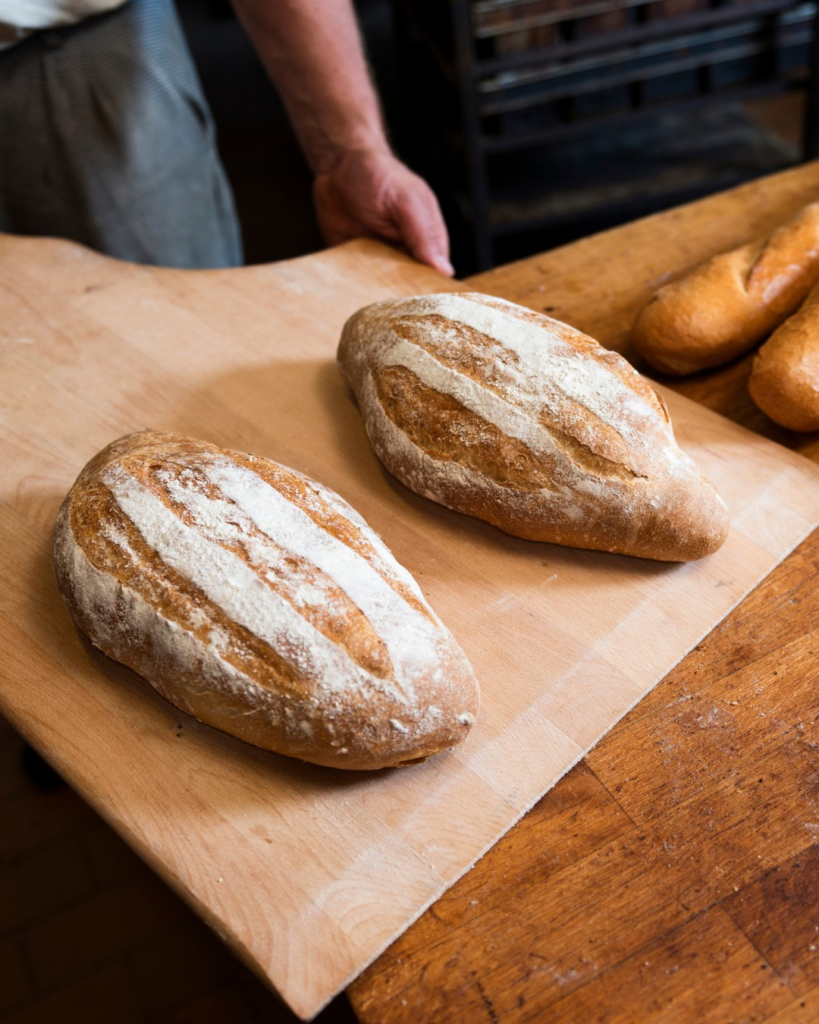
This knowledge—in hands, in intuition, in experience—is different from recipe knowledge. It can’t be perfectly translated to a written recipe. It requires cooking repeatedly until your hands understand. It requires taste buds trained to recognize when something is right.
Modern cooking culture emphasizes precision. Measure everything. Follow instructions exactly. But traditional cooking is more flexible. More forgiving. More responsive to variations in ingredients and conditions. This flexibility comes from understanding principles rather than following scripts.
Building Your Home Kitchen
Good Italian cooking doesn’t require fancy equipment. It requires basic, quality tools and excellent ingredients. A good knife. A solid cutting board. One or two quality pans. Good olive oil. Good salt. Fresh herbs. Quality pasta. That’s the foundation.
Gastrodomus helps you build this foundation. The ingredients matter. Good salt is different from table salt. Good olive oil is different from cheap oil. Real Parmesan is different from the shaky can. The flour you choose affects the pasta you make. These aren’t trivial differences. They’re foundational.
Learning to Taste
Home cooking teaches you to taste. Restaurant cooking involves someone else deciding seasoning. Home cooking requires you to taste constantly—before adding more salt, after adding an ingredient, adjusting flavors until they’re right. This practice trains your palate.
Trained palates can recognize quality. They can taste the difference between good olive oil and bad. They can tell when a tomato is at its peak. They can identify when something needs more salt, more acid, more richness. This discrimination improves eating. You start wanting better ingredients because you can taste why they matter.
Seasonal Cooking at Home
Home cooking connects you to seasons because you’re actually paying attention to what’s available. Spring peas appear and you make pasta with fresh peas. Summer tomatoes peak and you make sauce to preserve. Fall mushrooms come and you make risotto. Winter calls for hearty soups and stored vegetables.
This seasonal rhythm creates variety in cooking and eating. You’re not bored because what’s available constantly changes. Your meals reflect your region and season. You understand food’s connection to place and time. This is profoundly different from shopping the same supermarket and eating the same foods year-round.
The Ritual of Preparation
Cooking at home is ritual. Chopping vegetables. Browning onions. Tasting as you go. Letting things simmer. This isn’t just food production. It’s meditation. It’s practice. It’s a way of spending time that’s present and intentional.
Modern life emphasizes efficiency. Get it done fast. But cooking at home is the opposite. It’s slow. It’s present. You can’t rush making risotto without ruining it. You shouldn’t rush making sauce. The slowness is the point. It brings you into the moment. It makes you present.

Feeding Others: The Ultimate Expression
Cooking at home isn’t ultimately about the food. It’s about feeding people you care about. Making them something nourishing and delicious. Nourishing their bodies and their sense of being cared for. There’s something profound about this.
When you cook for family, you’re saying I care about you enough to spend time and attention on this. I chose good ingredients. I paid attention to the cooking. I made this to nourish you. This communication happens without words. People feel cared for by being fed well.
Teaching the Next Generation
Food traditions survive when they’re taught to the next generation. A child watching their parent cook, learning techniques, tasting as they go, asking questions—this is how traditions survive. Recipes survive in hands and memory, not in books.
Home cooking provides the venue for this teaching. It’s not lectures. It’s learning by doing. Hands-on. Repetitive. Natural. A child who grows up cooking with parents will know how to cook. Will understand food in their bones. Will pass it to their own children.
Authenticity Is About Technique and Love
Authentic Italian food isn’t about following a recipe perfectly. It’s about understanding principles. It’s about respecting ingredients. It’s about technique developed through repetition. Most importantly, it’s about love. Food made with care tastes different from food made mechanically.
Gastrodomus supports home cooking because home cooking is where food traditions live, where food connects to culture and family, where meals become more than fuel and become connection.

Starting Your Own Kitchen Practice
You don’t need Italian heritage to cook Italian food. You need good ingredients. You need to cook repeatedly to develop skill. You need to taste constantly. You need patience. You need love for the process and the people you’re feeding.
Start simple. Learn to make good sauce. Learn to cook pasta properly. Learn to make a risotto. Learn to prepare simple vegetables. Master these fundamentals and everything else becomes accessible. The best Italian restaurants aren’t cooking any differently than you will at home. They’re just using excellent ingredients, good technique, and consistent practice.
That’s what authentic Italian home cooking is. Not fancy. Not complicated. Just excellent, simple food made with attention and served with love.

Aria Laurent is a travel and style enthusiast who captures the essence of glamorous journeys around the world. Her writing blends luxury experiences with authentic cultural moments, offering readers a refined perspective on modern travel. From boutique hotels to hidden gems, Aria shares curated insights for those who seek beauty, elegance, and adventure in every destination.